
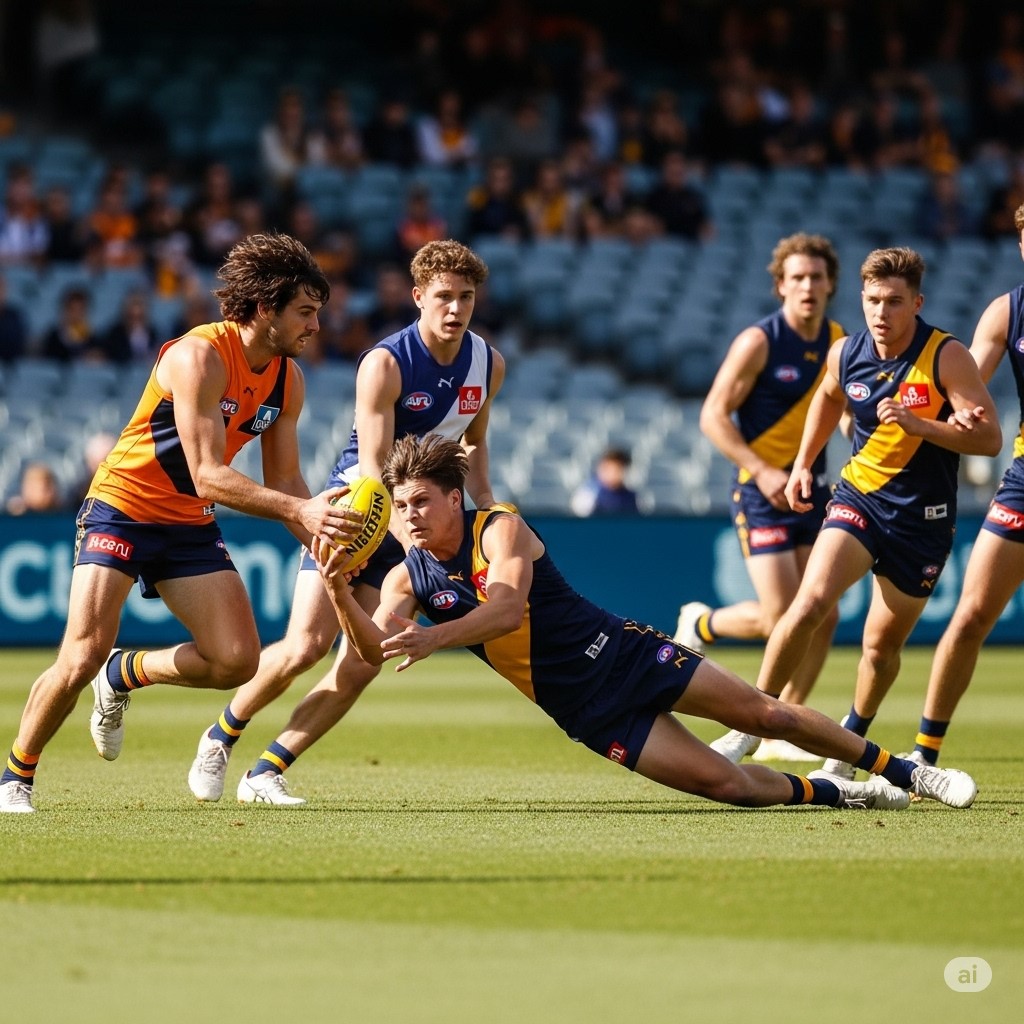
A Deep Dive into the Exciting World of AFL Nines
AFL Nines is an action-packed, fast-paced version of Australian Rules Football. The design is to be more accessible, inclusive, and fun for players of all ages. The sport has gained popularity over the past decade and continues to grow both in Australia and globally. Unlike traditional Aussie Rules, it is played with fewer players and on a smaller field. This results in a quicker, less physically demanding game. In this post, we will explore the origin and history of AFL Nines, its global reach, how amateur and youth levels are structured, professional leagues, and the broader political and social significance of the sport.
The Origin and History of AFL Nines
Australian Football League (AFL) administrators introduced AFL Nines in the early 2000s. The goal was to increase participation by creating a version of the game that required less physical contact. Traditional Australian Rules Football has a reputation for being intense and physically punishing. AFL Nines sought to attract newcomers, especially those who might have been intimidated by the rougher aspects of the full game.
The game was first trialed in various community leagues across Australia. Feedback from these early programs was overwhelmingly positive. It quickly became clear that this format could serve as an excellent introductory pathway to Aussie Rules. Schools, community centers, and amateur clubs began adopting the format.
By 2010, the AFL officially endorsed AFL Nines as a key component of its national participation strategy. New South Wales and Victoria saw the first structured leagues. Over time, other states followed suit, and the game began appearing in more regional areas. The rules were standardized, coaching materials were developed, and the game was marketed heavily.
Today, AFL Nines is not just a local phenomenon. It has evolved into a structured sport with organized competitions, youth development programs, and even international tournaments.
Global Popularity of AFL Nines
While it started in Australia, AFL Nines has not remained confined to its country of origin. The format has found enthusiastic audiences in various countries, including the United States, Canada, Ireland, the United Kingdom, and New Zealand. Its appeal lies in its simplicity, fast pace, and lower risk of injury compared to traditional Australian Rules Football.
In the United States, the United States Australian Football League (USAFL) promotes AFL Nines. Athletes play the game in high schools and recreational leagues, particularly in areas with large Australian expat communities. Events like “AFL Nines Showdown” have drawn hundreds of participants.
Canada has also seen a rise in participation. Canadian schools have embraced the format as a unique physical education alternative. The Canadian Australian Football Association promotes regular clinics and tournaments.
In Ireland and the UK, it complements the traditional Gaelic sports culture. Many athletes use it to cross-train or explore new styles of play. Ireland’s affinity for fast-paced ball sports has made AFL Nines an easy fit.
New Zealand represents one of the strongest international outposts for AFL Nines. The New Zealand AFL has implemented the game at schools and clubs, integrating it into its national development programs. Annual youth tournaments attract teams from multiple regions.
Other countries such as South Africa, Papua New Guinea, and India have begun exploring AFL Nines through development partnerships with the AFL. These programs often target youth in underserved communities.
Amateur and Youth Levels Worldwide
One of the key strengths of AFL Nines is its adaptability for amateur and youth play. The game fits easily into school physical education programs. It requires minimal equipment and fewer players, which makes it accessible for small schools and communities.
In Australia, the game is embedded in the primary and secondary school system. Programs like AFL Schools and NAB AFL Auskick use the Nines format for basic skill development. Teachers receive training to facilitate engaging and inclusive sessions. The emphasis is on enjoyment, teamwork, and skill acquisition rather than competition.
Community clubs also organize junior leagues. These leagues often serve as a stepping stone into full-contact Aussie Rules. They cater to both boys and girls, encouraging mixed-gender teams and inclusive participation.
Internationally, the story is much the same. In the United States, youth AFL Nines leagues operate during the summer. Schools run intramural competitions. In Canada and New Zealand, similar initiatives exist, often backed by national sports development bodies.
The game has become a powerful tool for engagement in underserved areas. It teaches discipline, cooperation, and respect. Youths who may not have access to mainstream sports programs often find a home in AFL Nines.
Professional Leagues and Competitions
Although AFL Nines is largely amateur, there has been a growing move toward semi-professional and professional competitions. In Australia, national and state tournaments feature high-level play. These events often scout talent and test new strategies.
The AFL Nines National Championships bring together top teams from across the country. These tournaments broadcast online and draw significant viewership. Teams often represent local clubs, universities, or corporate sponsors.
In New Zealand, the AFLNZ Premiership includes AFL Nines events as part of their calendar. The sport complements their main league, offering players an opportunity to refine their skills in a fast-paced environment.
Ireland and the UK have begun hosting annual AFL Nines festivals. These feature club and university teams competing for prizes and recognition. Some events include cash prizes and sponsorships, pushing the sport toward semi-professional status.
The United States has seen collegiate-level competitions, particularly among universities with large international student populations. While full professional status may still be a few years away, the infrastructure is steadily growing.
Political and Social Significance
AFL Nines carries significant political and social weight. In Australia, the game serves as a platform for community development. It bridges cultural divides, bringing together diverse groups through sport.
Indigenous Australian communities commonly play the game. Programs promote physical health, mental well-being, and cultural pride. AFL Nines is more than a game; it is a vehicle for social change.
It also plays a role in gender equality. The format encourages mixed-gender teams and equal participation. Women and girls have found a welcoming space in the AFL Nines community. This inclusivity supports broader societal goals.
Government and non-profit organizations have invested in the game. Grants and funding are allocated to expand its reach. Schools, refugee centers, and remote communities all benefit from this support.
Internationally, it supports diplomatic and cultural exchange. Tournaments often feature multinational participation. These events foster goodwill and mutual respect among diverse populations.
The sport also helps tackle issues like obesity, mental health, and youth disengagement. By offering an alternative to sedentary lifestyles, AFL Nines contributes to healthier societies.
Rules and Gameplay of AFL Nines
The rules are designed to prioritize speed, skill, and safety. Each team consists of nine players, typically three forwards, three midfielders, and three defenders. Substitutions are unlimited and can occur at any time.
The game is played on a smaller field than traditional Aussie Rules. This could be a soccer field, rugby pitch, or a custom-sized area. The reduced size increases player involvement and keeps the action continuous.
Games are divided into two halves, typically 20 minutes each. The ball used is the same as in regular Australian Football.
You cannot tackle. Instead, players must use a touch system to stop opponents. This rule significantly lowers the risk of injury and makes the game more appealing to newcomers.
Kicking and handballing remain central skills. Players score by kicking the ball through designated goalposts. Points are similar to traditional Aussie Rules: six points for a goal, one point for a behind.
The game encourages fair play. Umpires enforce rules strictly to maintain the sport’s integrity and safety. Players showing unsportsmanlike conduct may be sent off.
Possession changes frequently, keeping all players engaged. There is a strong emphasis on teamwork and communication. Individual brilliance is still celebrated, but success depends on cohesive play.
Unlike full-contact footy, AFL Nines does not require helmets or heavy protective gear. Players typically wear lightweight jerseys, shorts, and running shoes.
Conclusion: The Future of AFL Nines
It continues to grow in both stature and reach. Its accessibility, inclusiveness, and fast-paced nature make it a standout in modern sports. Whether in an Australian schoolyard or a Canadian park, the game brings people together.
Efforts are underway to formalize international competitions and establish consistent rules worldwide. Partnerships between the AFL and overseas bodies will accelerate this process.
The sport has already shown its power to transform lives and communities. From promoting physical health to encouraging social cohesion, AFL Nines is more than just a game.
As we look to the future, it is clear that it will play a pivotal role in global sport. It offers a model for how sports can evolve to meet the needs of a changing world. Enthusiasts and newcomers alike should watch this space closely.
With continued investment, support, and enthusiasm, AFL Nines is poised to become a mainstay on the global sporting calendar.