
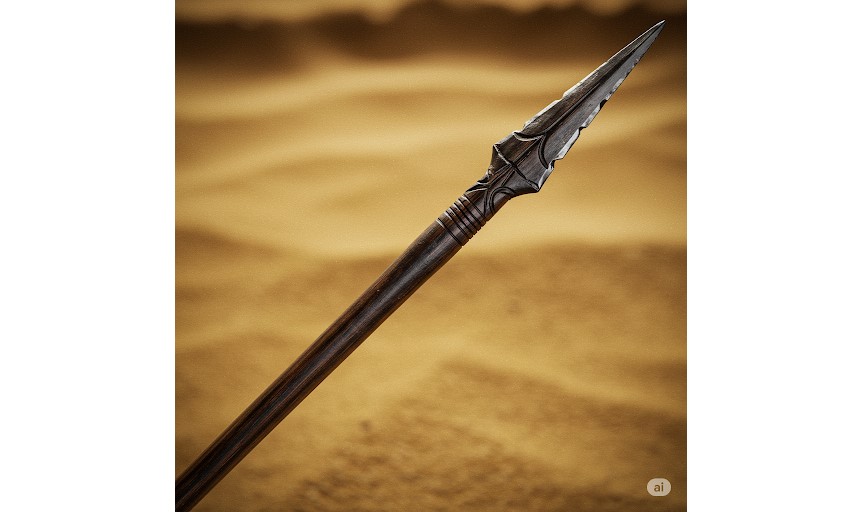
The Ancient Art of Atlatl: A Global Sport with Deep Roots
Atlatl, a term many have never heard, represents one of the oldest projectile sports. It is not just a primitive tool but a living, breathing sport. Across the world, athletes and history lovers have embraced it as a way to connect with ancient cultures. Atlatl has made its way from prehistoric times into schools, communities, and even international competitions. The sport of Atlatl continues to evolve, gaining new followers every year.
The Origins and History of Atlatl
The Atlatl, sometimes called a spear-thrower, dates back over 20,000 years. Ancient people used it to hunt large animals. Archaeologists have discovered Atlatl artifacts in Europe, Australia, and North America. These tools predate the bow and arrow by thousands of years.
The Aztecs and early Aboriginal Australians used it both in war and for hunting. In Europe, Cro-Magnons relied on it to bring down mammoths. The design remained consistent across continents. A carved stick with a notch would cradle a dart or spear. A flick of the wrist hurled the dart with great force.
The name “Atlatl” comes from the Nahuatl language spoken by the Aztecs. Their version could pierce Spanish armor. Despite its deadly past, the modern sport focuses on precision and technique rather than survival.
Global Popularity of Atlatl Today
Interest in it has surged over the past few decades. In the United States, hobbyists and historians revived the sport during the 1980s. Since then, Atlatl throwing competitions have spread across North America, Europe, and parts of Asia.
In the U.S., the World Atlatl Association (WAA) has helped popularize the sport. Events often attract hundreds of participants. Germany, France, and the UK have active Atlatl clubs. In Japan, interest has grown through historical reenactment groups.
Several countries now host international Atlatl competitions. These events often feature categories for both amateurs and professionals. The growing interest supports the preservation of ancient cultures. It also encourages healthy, outdoor activity.
While not mainstream, it has earned a dedicated global following. The sport blends history with skill and fosters a deep sense of community.
Amateur Atlatl and Youth Participation
Amateur Atlatl participation spans schools, youth programs, and community centers. Teachers often include it in lessons about early human technology. Students enjoy the hands-on experience of making and using their own Atlatl tools.
Many Boy Scout and Girl Scout troops now incorporate Atlatl activities into outdoor events. Some programs host inter-school competitions. These events encourage skill development, sportsmanship, and historical awareness.
Universities and museums offer Atlatl workshops. These events appeal to students of archaeology and anthropology. Some clubs allow youth as young as ten to join and compete.
Amateur leagues offer a space for all skill levels. Families often join together, making it a multigenerational sport. Camps and youth summer programs also offer Atlatl as part of archery and survival skills sessions.
Parents support the activity for its educational value and its encouragement of outdoor play. The simple equipment makes it affordable. Moreover, the learning curve is steep enough to challenge without frustrating newcomers.
Professional Leagues and Global Organizations
Several professional Atlatl leagues operate around the world. The World Atlatl Association, based in the United States, is the most prominent. It maintains standardized rules, organizes events, and promotes global cooperation.
Europe has several regional organizations. The International Federation of Atlatl Sports (IFAS) includes members from more than 15 countries. It supports tournaments and educational outreach.
Professional players often compete in seasonal leagues. These leagues feature ranked events, prize money, and sponsorships. Some players have gained fame within the niche community for their consistent performance and innovative techniques.
In South America, particularly in Peru and Ecuador, local federations promote it through cultural festivals. These events blend sport with traditional music, food, and dress.
Some professionals also teach and coach. They often lead clinics to develop talent in youth and amateurs. This builds a pipeline of new competitors and raises the level of competition.
Professional leagues often rely on volunteers and cultural grants. However, the visibility of Atlatl in sports media has begun to grow. Documentaries and YouTube channels help bring attention to the sport.
Social and Political Significance of Atlatl
It holds deep cultural significance. Indigenous communities have used its revival to promote heritage and education. For them, Atlatl is more than sport; it is a reclaiming of identity.
Some Native American tribes have integrated Atlatl into cultural celebrations. These events help educate the public about pre-Columbian technology. They also provide a platform for discussions on indigenous rights and history.
In Australia, Aboriginal communities use Atlatl workshops to engage youth. These programs promote pride in traditional knowledge. They also combat the erosion of native languages and skills.
Politically, it has symbolized resistance to cultural erasure. Its teaching has been part of broader decolonization efforts. Cultural activists have pushed for Atlatl to be included in school curricula.
Environmental groups support it as a sustainable form of outdoor sport. Unlike guns or compound bows, Atlatl equipment has little environmental impact. It aligns well with conservation values.
Socially, Atlatl fosters community. Events often include food, storytelling, and music. They offer spaces for cross-generational bonding and cultural exchange. The inclusive nature of the sport makes it welcoming to all.
Rules of Atlatl
The rules of competitions vary slightly by organization. However, most share common elements. Players use a dart-throwing stick to launch lightweight spears at targets.
The standard target resembles an archery bullseye. Scoring rings determine points based on accuracy. Each competitor throws a set number of darts, often five or ten per round.
Distance is a key variable. Beginners start at 10 to 15 meters. Advanced divisions throw from as far as 30 meters. Youth divisions often use closer ranges for safety.
Competitors must use traditional-style Atlatls and darts. Materials can vary but must meet length and weight regulations. Events may include accuracy rounds, distance throws, and timed challenges.
Players cannot step over the throw line. Doing so results in penalties or disqualification. Officials check for safety and compliance.
Some events include moving targets or simulate hunting scenarios. These challenges test adaptability and focus. Safety remains a priority, with mandatory safety zones and protective measures.
Teams can compete in relays. These events build teamwork and strategy. Mixed-gender teams are common. Inclusivity is one of the sport’s strengths.
Conclusion: The Future of Atlatl
Atlatl is a bridge between past and present. It offers insight into ancient life and provides a platform for modern connection. The sport has evolved from survival tool to community activity.
From classrooms to international fields, it inspires curiosity and competition. Its global reach continues to grow. New leagues, media coverage, and cultural recognition propel it forward.
This ancient sport has proven its modern relevance. Whether thrown by children learning history or professionals seeking titles, it unites people across time and place.
With continued support, Atlatl may yet find its place among mainstream sports. For now, it thrives in the hands of those who value culture, skill, and community.