
The Thrill and Challenge of ATV Enduro: A Deep Dive Into the World of Off-Road Racing
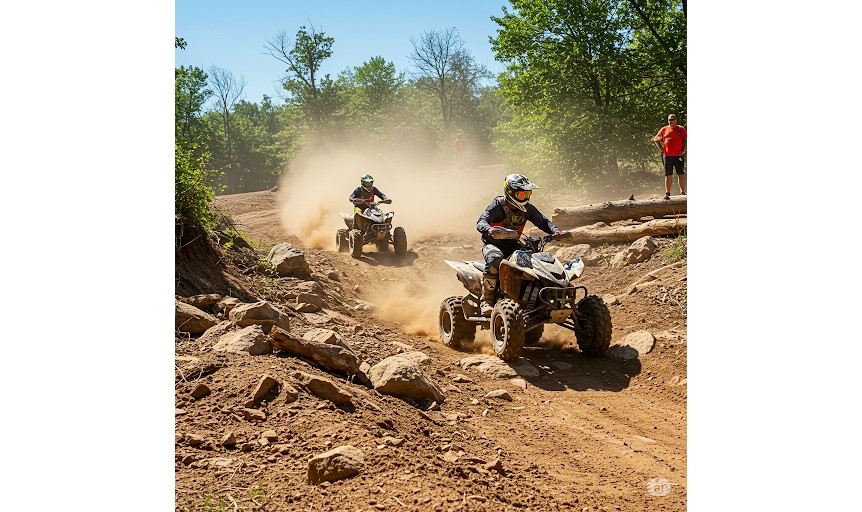
ATV Enduro offers a unique combination of endurance, speed, and technical skill. This motorsport involves racing all-terrain vehicles (ATVs) over rugged, often natural terrain. Riders face long distances, varied weather, and difficult trails. ATV Enduro has grown in popularity worldwide thanks to its intense physical demands and the thrill it offers both riders and spectators. In this post, we will explore the origin, history, global presence, amateur and professional scenes, political and social impact, and rules of this exciting sport.
The Origins and History of ATV Enduro
The roots of ATV Enduro trace back to the early 1970s. At that time, off-road motorcycling had already found a dedicated following. Manufacturers began creating three-wheeled all-terrain vehicles for recreation and utility. These evolved into four-wheeled machines, which offered more stability and power.
Enduro-style events soon adapted to include ATVs. Riders were challenged with cross-country courses over natural terrain. Unlike motocross, which features closed circuits, Enduro events emphasized long-distance stamina. Events like the GNCC (Grand National Cross Country) in the United States and the Baja 1000 in Mexico helped popularize the discipline.
By the late 1980s and early 1990s, ATV-specific Enduro racing became more structured. Organizers started regulating race formats, safety protocols, and age divisions. Over time, the sport diversified, with specialized classes for youth, amateurs, and professionals.
The Global Reach and Popularity of ATV Enduro
ATV Enduro has gained significant traction worldwide. In North America, it remains especially strong in the United States and Canada. Events like the GNCC attract thousands of fans and hundreds of competitors. Riders from across the globe attend these events.
Europe also has a vibrant ATV Enduro scene. Countries like France, Germany, and the United Kingdom host national championships. These events often attract top-tier riders and large audiences. Eastern Europe, particularly in Romania and Poland, features some of the most grueling courses.
In Latin America, Brazil and Argentina have emerged as hotspots for ATV racing. The Dakar Rally, which included ATV classes, brought attention to South American talent. This exposure helped cultivate local racing communities.
Australia and New Zealand have also embraced the sport. With vast outback terrain, these countries offer perfect environments for Enduro events. Their national federations support both youth and professional races.
Asia has seen growing interest in recent years. China, India, and Indonesia are developing amateur leagues. Corporate sponsorship and media coverage have fueled the sport’s growth in these regions.
How Amateur ATV Enduro is Played Worldwide
Amateur ATV Enduro serves as the foundation for the sport’s future. Events are structured to accommodate a wide range of skills and age groups. Local clubs and national federations organize these races regularly.
In the United States, amateur races often take place on weekends. Riders typically register by class—youth, beginner, intermediate, or senior. Each class has different course lengths and difficulty levels. Safety training and ATV inspections are usually mandatory.
Youth racing has gained momentum globally. In the U.S., the ATV MX Nationals and GNCC Youth Series offer dedicated classes for younger riders. Helmets, chest protectors, and other safety gear are strictly required. Parents and coaches often play significant roles in guiding young riders.
Schools and community centers in Europe and Australia sometimes include off-road racing programs. These initiatives teach mechanical skills, responsibility, and teamwork. Additionally, non-profit organizations sponsor underprivileged youth, giving them access to the sport.
In Latin America, community-based leagues help amateurs develop racing skills. Local mechanics often support these efforts by offering equipment and maintenance services at discounted rates. These grassroots initiatives ensure that ATV Enduro remains accessible.
In Asia, especially in India and Indonesia, local racing communities are rising. Youth programs supported by motor companies provide training and practice facilities. Public races held in open terrain attract wide participation and help build community engagement.
Professional Leagues and Global Competitions
Professional ATV Enduro has become a well-structured segment of motorsports. Athletes compete for national titles, international recognition, and commercial sponsorships. Various leagues and events drive this professionalism.
The GNCC in the United States is one of the most prestigious ATV Enduro competitions. It spans multiple states and features highly competitive fields. Riders face diverse terrains including forests, hills, and mud tracks.
The WORCS (World Off Road Championship Series) also stands out. It offers high-paced racing with technical trails across the western U.S. Many professional riders use this series as a stepping stone to international competitions.
In Europe, the FIM Europe organizes ATV Enduro events. Countries like France, Italy, and the UK host these races. Each venue presents different challenges, from alpine trails to muddy forests. European riders often move between national and continental championships.
The Dakar Rally represents one of the most intense Enduro experiences. Though it includes various vehicle classes, the ATV division draws substantial interest. Held in locations like South America and Saudi Arabia, the rally pushes both machine and human endurance to the limit.
South America has also introduced its own series. Brazil’s Rally dos Sertões and Argentina’s Desafio Ruta 40 have earned international acclaim. These events feature extreme conditions and fierce competition.
Asia’s professional circuit is still emerging. However, countries like China are investing in major events. Sponsorship from automotive and tech companies has accelerated the development of high-profile races.
Political and Social Significance of ATV Enduro
ATV Enduro holds more than just athletic value. Politically, the sport intersects with land use laws, environmental policy, and rural development. Governments must often balance conservation with recreational and economic benefits.
In many countries, ATV racing brings attention to rural and underdeveloped regions. Hosting races can drive tourism and infrastructure investment. For example, remote villages in Romania and Brazil have seen economic benefits due to annual races.
Socially, ATV Enduro fosters community spirit and resilience. Riders form clubs that support local initiatives, from trail maintenance to charity events. In disaster-prone areas, trained riders sometimes assist in rescue operations due to their terrain skills.
Youth involvement also carries social value. Racing programs often instill discipline, confidence, and mechanical know-how. In underserved communities, these programs can offer a path away from negative influences.
Politicians have noticed the sport’s impact. Some governments fund ATV parks and racing programs. Others include it in rural development plans. This official support strengthens the sport’s long-term viability.
Rules and Regulations of ATV Enduro
ATV Enduro follows structured rules to ensure fairness and safety. These rules vary slightly by league, but core principles remain consistent.
Courses span natural terrain, including forests, hills, rivers, and mud. Riders must complete the course within a set time. The rider with the fastest time, after accounting for penalties, wins.
Each ATV must pass technical inspections. Officials check brakes, tires, lights, and frame integrity. Riders must wear helmets, gloves, boots, and protective clothing. Neck braces and chest guards are highly recommended.
Race formats differ. Some events use a time trial system, where riders start at intervals. Others use mass starts. Both formats require riders to follow marked trails and avoid shortcuts.
Penalties apply for rule violations. Cutting the course, unsportsmanlike behavior, or failing to assist a fallen rider can result in time penalties or disqualification. Marshals monitor rider behavior throughout the course.
Fuel stops and mechanical repairs are allowed only in designated zones. Outside assistance is typically restricted. Riders must manage their endurance, machine, and strategy independently.
Youth races follow stricter rules. Course lengths are shorter and speeds are controlled. Parental supervision and safety checks are mandatory. Organizers prioritize education and safety over competition.
Environmental rules are crucial. Leagues must obtain permits and follow conservation guidelines. Trail restoration is often a post-race requirement. Responsible racing helps maintain public and private land access.
Conclusion
ATV Enduro continues to evolve and inspire. From its humble beginnings to its global presence, the sport exemplifies endurance, skill, and passion. It unites communities, challenges athletes, and entertains fans across continents.
Amateur leagues nurture future champions, while professional circuits push human and machine to their limits. Politically and socially, the sport contributes to rural development, youth education, and environmental awareness.
As ATV Enduro grows, so does its impact. With careful regulation and community support, its future looks bright. Whether you’re a rider, a fan, or a curious newcomer, there’s no denying the excitement and significance of this dynamic motorsport.