
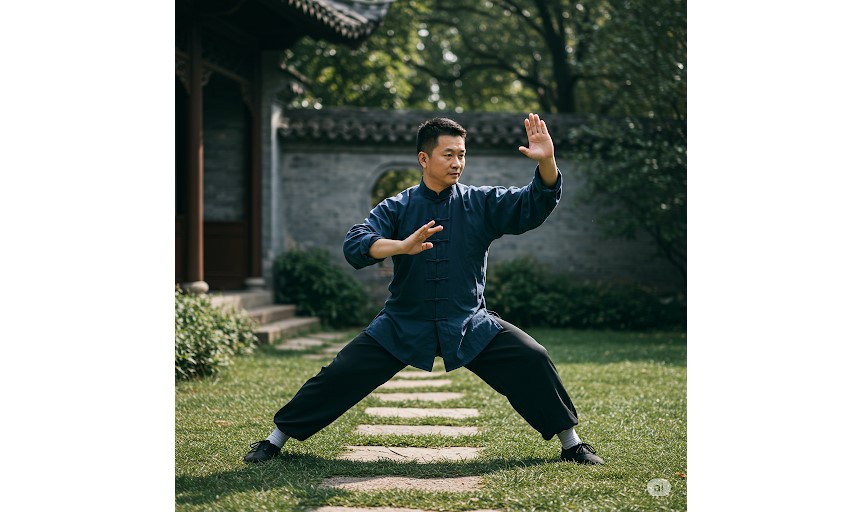
The Martial Art of Baguazhang: A Global Cultural and Competitive Phenomenon
Baguazhang, a Chinese martial art with deep roots in Taoist philosophy, has fascinated practitioners for centuries. The name Baguazhang translates to “Eight Trigram Palm,” linking it directly to the I Ching, a foundational text in Chinese cosmology. The fluid, circular movements of this sport mirror the changes described in the I Ching. As a result, Baguazhang draws not only martial artists but also philosophers and seekers of internal balance. This blog will explore the origin, rules, amateur and professional scenes, global reach, and social significance of Baguazhang. Each of these areas reveals how this ancient art continues to thrive and evolve.
The Origins and History of Baguazhang
Baguazhang emerged during the Qing Dynasty in the 19th century. Dong Haichuan, its widely acknowledged founder, traveled through China studying martial arts and Taoist practices. He combined these experiences into a coherent system, eventually known as Baguazhang. The art stood out because of its unique emphasis on circular walking and palm techniques.
Dong served in the imperial court, where he taught Baguazhang to guards and nobles. His students later spread the style throughout China. Each student added their personal interpretation to the core principles. Consequently, many Baguazhang sub-styles exist today, all tracing back to Dong.
The martial art was not just a means of defense. It served as a spiritual discipline, helping practitioners harmonize with natural energies. This dual nature—both martial and meditative—set it apart from other fighting styles. Over time, Baguazhang integrated with Chinese opera, literature, and visual art. Thus, it became a holistic cultural expression, not just a combat technique.
Global Popularity and Spread
In the 20th century, Baguazhang began to gain international attention. The spread started with Chinese diaspora communities. Masters brought the art to countries like the United States, Canada, and Australia. They opened schools and gave public demonstrations. Curiosity about Eastern philosophy further fueled interest in this martial art.
Today, Baguazhang is practiced on every continent. Countries like Europe, France and Germany have strong communities. In Asia, besides China, countries like Japan, South Korea, and Thailand have active groups. In North America, Baguazhang clubs thrive in urban centers such as New York, Toronto, and San Francisco.
Martial arts festivals often include Baguazhang competitions and demonstrations. Online platforms have also expanded access. YouTube channels, online courses, and virtual dojos connect global practitioners. The pandemic accelerated this trend. Distance became irrelevant, allowing a global exchange of ideas and techniques.
Amateur Baguazhang and Youth Involvement
Amateur Baguazhang has become increasingly organized in recent decades. Many schools incorporate the art into their physical education programs. Community centers often offer beginner classes for children and teenagers. These youth programs focus on discipline, flexibility, and mental focus.
Tournaments for amateurs happen regularly in major cities. Events are often hosted by local martial arts federations. These competitions typically include forms (known as “taolu”) and light sparring. Judges evaluate posture, fluidity, and adherence to traditional principles. Winners earn medals and certificates, encouraging further involvement.
Some regions include Baguazhang in school competitions. China, especially, integrates it into the national curriculum. Students compete in district, provincial, and national levels. This early exposure fosters a lifelong interest in the art.
In the West, after-school programs often include Baguazhang. Parents see it as a holistic alternative to conventional sports. Children develop both physical skills and emotional resilience. Local clubs provide safe environments for learning and friendship.
Professional Baguazhang Leagues and Organizations
While not as commercial as MMA or boxing, Baguazhang has a niche professional scene. Organizations such as the Chinese Wushu Association include it in their official events. These competitions showcase elite-level athletes who train full-time.
In China, televised martial arts tournaments often feature Baguazhang performances. The athletes train in government-sponsored sports academies. These institutions offer scholarships and stipends. Top performers gain national recognition and sponsorship deals.
Internationally, federations like the International Wushu Federation promote the art. They host world championships where Baguazhang is one of many disciplines. Competitors from dozens of countries attend these events. The scoring is standardized, focusing on technique, power, and rhythm.
Some independent leagues have emerged in Europe and the Americas. These leagues often fuse traditional and modern elements. Athletes perform both classical forms and free sparring rounds. Judges include martial arts masters and sports scientists. Media coverage, while limited, continues to grow through social media.
Social and Political Significance
Baguazhang holds deep cultural meaning, especially in China. It symbolizes the harmony between humanity and nature. As a Taoist art, it embodies values like balance, adaptability, and humility. Practicing it becomes a form of cultural preservation.
Politically, the Chinese government supports Baguazhang as a symbol of national heritage. It appears in national parades, documentaries, and tourism campaigns. Schools and universities receive funding to include it in their programs.
Globally, Baguazhang promotes cultural exchange. It serves as a bridge between East and West. Practitioners often explore Chinese language, calligraphy, and philosophy alongside martial training. This interdisciplinary appeal strengthens cross-cultural understanding.
The art also plays a role in health and wellness. Therapists recommend Baguazhang for stress relief and rehabilitation. Hospitals and eldercare facilities sometimes offer classes. These programs highlight the sport’s role in public health.
In politically turbulent regions, Baguazhang schools have served as community anchors. They promote peace, discipline, and unity. Students learn to manage conflict without violence. Teachers often become local leaders, using their status to mediate disputes and inspire youth.
Rules and Structure of Baguazhang Practice
Traditional Baguazhang practice begins with walking the circle. Practitioners step in a curved path while maintaining specific hand positions. This movement trains balance, coordination, and focus. Over time, students progress to forms and partner drills.
Sparring, while not the primary focus, does exist. It uses throws, joint locks, and redirection rather than brute force. Points are awarded for clean technique and control. Competitors wear protective gear. Judges penalize excessive force or poor sportsmanship.
Forms competitions are more common than sparring. Athletes perform choreographed sequences judged on fluidity and precision. Each form can last up to three minutes. Categories include solo, group, and weapon forms.
Common weapons in Baguazhang include the deer horn knives and staff. These weapons follow the same circular principles. Competitions sometimes have weapon-specific categories.
Training also involves meditation and breathing exercises. These elements enhance mental clarity and physical endurance. Instructors emphasize daily practice and lifestyle integration.
Advancement follows a ranking system, similar to belts in other martial arts. Students progress through levels by passing evaluations. These tests assess technique, theory, and application. Instructors certify advancement during formal ceremonies.
Conclusion
Baguazhang offers much more than martial skill. Its rich history, global reach, and social value make it a unique sport and art form. From youth programs to professional leagues, it continues to evolve while honoring tradition. In a world that often feels chaotic, Baguazhang provides a path toward balance and understanding. Whether for fitness, competition, or personal growth, it remains an inspiring journey for practitioners worldwide.