
The Sport of Balance Beam: Grace, Power, and Precision
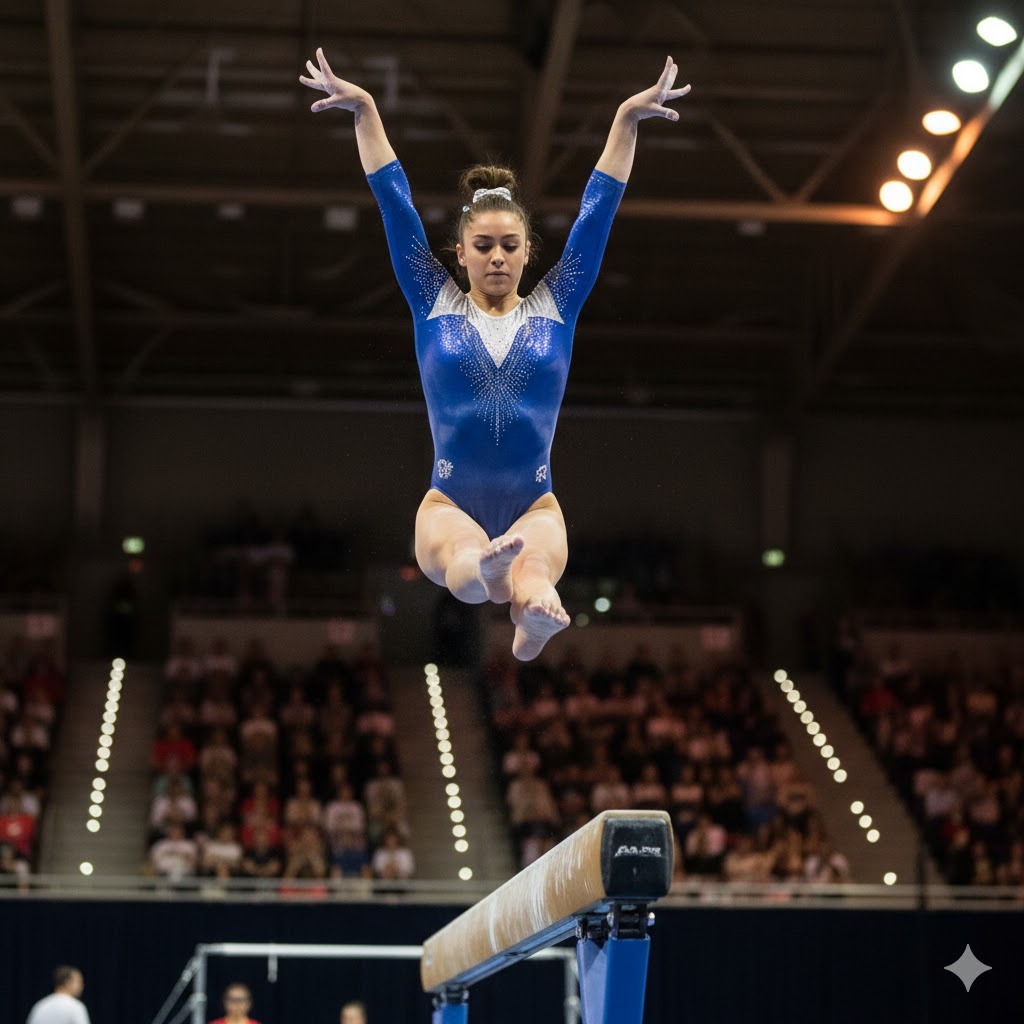
The Balance Beam is one of the most elegant and technically demanding disciplines in gymnastics. It combines strength, poise, artistry, and courage. From Olympic arenas to youth gymnasiums, athletes worldwide have embraced the Balance Beam for its ability to showcase both athletic and artistic excellence. This blog explores its fascinating origin, historical evolution, global popularity, amateur and professional levels, political and social influence, and the detailed rules governing this extraordinary sport.
The Origin and History of the Balance Beam
The Balance Beam has its roots in ancient physical training. Early versions of balance exercises date back to the Greeks, who valued balance and agility in athletic training. However, the beam as we know it emerged in 19th-century Germany during the rise of modern gymnastics.
Friedrich Ludwig Jahn, known as the “Father of Gymnastics,” played a key role in shaping apparatus-based gymnastics. He designed equipment that promoted strength, discipline, and precision. Among these inventions was an early version of the balance beam. Originally, it was a simple wooden plank used for walking and balancing drills. Over time, it evolved into a competitive gymnastics apparatus.
By the early 20th century, women began using the beam as part of their gymnastic routines. Its inclusion in women’s artistic gymnastics at the 1936 Berlin Olympics marked a turning point. The world witnessed a display of grace and technical mastery on a narrow, elevated beam. Since then, the event has become one of the most iconic features of women’s gymnastics.
Throughout the 1950s and 1960s, gymnasts began incorporating acrobatic elements. The sport evolved from simple walking and turns into an athletic performance filled with flips, leaps, and intricate choreography. Soviet and Eastern European gymnasts dominated this era, elevating the technical difficulty and artistry of beam routines.
By the 1970s and 1980s, the sport gained massive global attention. Stars like Nadia Comăneci and Olga Korbut brought creativity and daring elements to the beam. Their performances inspired millions and set new standards for precision and innovation. The modern Balance Beam now stands as a blend of athletic power, rhythmic movement, and emotional expression.
The Global Popularity of the Balance Beam
Today, the Balance Beam enjoys worldwide recognition. It is a standard event in women’s artistic gymnastics competitions across all major international meets, including the Olympics, World Championships, and regional tournaments. Its appeal lies in its blend of athleticism and artistry, attracting fans from every corner of the globe.
In countries like the United States, Russia, China, and Japan, the beam event draws massive audiences. Young gymnasts aspire to perform daring moves such as back handsprings, aerial cartwheels, and dismounts with perfect landings. The spectacle of balancing on a 10-centimeter-wide beam while performing flips fascinates viewers everywhere.
European nations such as Romania, Germany, and France also maintain strong traditions in gymnastics. Clubs and national training centers nurture talented athletes from a young age. These programs have produced generations of champions who continue to raise the bar for technical difficulty and artistic presentation.
In Asia, particularly in China, the Balance Beam has become a national strength. Chinese gymnasts are known for their precision, flexibility, and flawless execution. Athletes like Deng Linlin and Guan Chenchen have elevated the beam’s prestige through Olympic gold medals and record-breaking performances.
The United States remains a global powerhouse. American gymnasts such as Simone Biles, Shannon Miller, and Nastia Liukin have revolutionized the beam through innovation and confidence. Their success has inspired countless young gymnasts to pursue excellence in this event.
Beyond the elite level, the beam’s influence extends into recreational gymnastics programs worldwide. In countries such as Canada, Australia, and the United Kingdom, local clubs and schools use beam training to develop coordination, confidence, and balance in children. The beam is both a tool for athletic development and an art form that transcends cultural boundaries.
Amateur Balance Beam and Youth Involvement
Amateur Balance Beam competitions provide the foundation for future champions. Gymnastics clubs, schools, and community centers introduce the beam at early ages. Children as young as five learn to walk, turn, and perform small jumps on low beams. These introductory activities help them develop balance, focus, and discipline.
In youth gymnastics programs, training progresses gradually. Coaches emphasize technique, posture, and mental composure. Routines at this level typically include basic skills such as mounts, dance poses, pivot turns, and small leaps. Confidence grows through consistent practice and encouragement.
School programs often integrate balance training into physical education. Students learn fundamental balance exercises that improve coordination and body awareness. These programs foster teamwork, perseverance, and self-confidence, essential traits for athletic growth.
Amateur competitions occur regionally and nationally. Events like the USA Gymnastics Junior Olympics or local invitational meets showcase emerging talent. Young athletes are judged on execution, artistry, and difficulty, preparing them for higher levels of competition.
In Europe, gymnastics federations such as the British Gymnastics Association and the French Gymnastics Federation offer structured progression systems. Each level introduces new challenges, from simple choreography to acrobatic series. These programs ensure steady development and promote safety.
Asian countries invest heavily in youth development. China’s national training programs identify potential athletes early. Young gymnasts undergo rigorous training with professional coaching and medical supervision. This commitment to structured development has produced many world-class performers.
Overall, amateur Balance Beam serves as a gateway to physical and mental strength. It teaches athletes to overcome fear, perform under pressure, and strive for excellence.
Professional Leagues and Global Competitions
Professional Balance Beam competition is primarily governed by the International Gymnastics Federation (FIG). It sets the rules, scoring system, and event standards for all international meets. The FIG organizes the World Championships, one of the most prestigious platforms for elite gymnasts.
The Olympics remain the ultimate stage for professional beam performers. Every four years, the world watches the best gymnasts deliver breathtaking routines under intense scrutiny. Olympic champions become household names and national heroes.
In the United States, the National Collegiate Athletic Association (NCAA) has built a strong competitive system. College gymnastics combines academic achievement with athletic performance. NCAA competitions feature beam routines judged on artistry, control, and technical skill. This system has launched many Olympians and world medalists.
Other countries have similar national leagues. Russia’s artistic gymnastics championships, China’s National Games, and Japan’s All-Japan Championships showcase top domestic talent. These events serve as stepping stones to international success.
Professional gymnasts often compete in the World Cup series organized by FIG. These events offer ranking points, cash prizes, and international exposure. They also provide athletes with the opportunity to test new skills before major competitions.
Additionally, exhibition tours such as the “Gold Over America Tour” highlight gymnastics as both sport and entertainment. These shows feature beam routines performed with theatrical flair, captivating audiences beyond traditional sports fans.
The Balance Beam also has a presence in mixed-team competitions like the American Cup and World Team Trophy. These formats encourage collaboration among top athletes and showcase the unity of the gymnastics community.
Professional leagues and events not only celebrate athletic excellence but also promote cultural exchange. Athletes travel worldwide, representing their nations and sharing their dedication to perfection.
Political and Social Significance of the Balance Beam
The Balance Beam carries deep political and social meaning beyond athletic performance. Historically, it symbolized women’s strength, grace, and empowerment. When first introduced, the beam offered women a platform to showcase athletic ability in an era when female sports participation was limited.
During the Cold War, gymnastics became a symbol of national pride. The Soviet Union and Eastern Bloc countries used success in gymnastics, including the beam, to demonstrate ideological superiority. Victories on the international stage were viewed as proof of cultural and political strength.
In the United States, the success of gymnasts like Mary Lou Retton and Simone Biles reflected national values of determination and equality. Their triumphs inspired generations of young girls to pursue sports with confidence and ambition.
Socially, the beam represents courage and composure. Balancing high above the ground requires mental strength and focus. Athletes must overcome fear and self-doubt, lessons that resonate far beyond the gym. These qualities have made the beam a metaphor for life’s challenges—maintaining balance amid uncertainty.
The beam also plays a role in promoting gender equality in sports. Women’s artistic gymnastics, with the beam as its centerpiece, remains one of the most watched Olympic events. Its visibility has elevated women’s athletics globally, breaking stereotypes about strength and femininity.
Additionally, gymnastics programs around the world contribute to community building. Local clubs provide safe, supportive environments where young people can learn discipline, teamwork, and self-respect. The sport encourages inclusivity, empowering participants regardless of background.
Politically, international competitions foster diplomatic goodwill. Athletes from rival nations compete side by side in mutual respect. The spirit of fair play and unity on the beam transcends borders and ideologies.
Rules and Structure of Balance Beam Competitions
The Balance Beam measures 5 meters long, 10 centimeters wide, and 1.25 meters high. Its narrow surface challenges gymnasts to perform routines that combine dance, acrobatics, and balance.
Each routine must last between 70 and 90 seconds. Gymnasts perform a combination of elements, including leaps, jumps, turns, acrobatic flips, and a final dismount. Judges evaluate performances based on execution, difficulty, and artistry.
The scoring system follows the FIG Code of Points. Two panels of judges assess routines: the D-panel for difficulty and the E-panel for execution. The D-score reflects the difficulty and composition of the routine, while the E-score measures execution quality. Deductions occur for balance checks, wobbles, falls, and incomplete elements.
A gymnast must begin with a mount—a movement that gets her onto the beam gracefully. Common mounts include jumps, handstands, or press-ups. The routine then transitions into a combination of dance elements such as leaps, spins, and poses.
Acrobatic elements are crucial for high scores. Skills like back handsprings, layouts, and aerial flips demonstrate power and control. Connections between elements increase difficulty value, rewarding fluidity and creativity.
The dismount is the routine’s grand finale. Athletes often perform flips or twists to end with a solid landing. A perfect dismount can make the difference between gold and silver.
Judges also value artistry. Each movement should flow naturally into the next, creating a harmonious performance. Expression, rhythm, and musicality enhance the presentation score.
Penalties apply for major errors such as stepping off the beam or falling. A fall costs one full point, a significant deduction in tight competitions. Maintaining focus under pressure becomes essential.
Athletes may not receive outside assistance during their routine. Coaching input is allowed before the start, but once the performance begins, the gymnast must rely solely on her skill and composure.
The rules emphasize balance between risk and consistency. A gymnast who attempts very difficult skills but performs them poorly may score lower than one with flawless execution. Strategy, therefore, plays a critical role in routine composition.
Training and Physical Demands
Training for the Balance Beam requires extraordinary physical and mental discipline. Gymnasts practice balance drills, strength conditioning, and flexibility exercises daily. Hours of repetition build muscle memory, ensuring stability during complex maneuvers.
Core strength forms the foundation of beam success. A powerful core allows athletes to maintain posture and control in every position. Leg and ankle conditioning improve landing accuracy and shock absorption.
Mental toughness is equally important. The narrow surface leaves no margin for error, demanding laser-like focus. Visualization techniques and mindfulness training help gymnasts manage nerves before and during competition.
Routine design involves collaboration between gymnast and coach. Each element must suit the athlete’s style, strengths, and rhythm. Choreography highlights artistry while maximizing difficulty value.
Safety remains a top priority. Mats and spotting equipment protect athletes during practice. Coaches carefully monitor skill progression to prevent injury.
The combination of athletic strength, artistic presentation, and psychological resilience defines the beam’s unique challenge. It is not just a sport but a discipline that develops the whole athlete—body, mind, and spirit.
The Cultural Legacy of the Balance Beam
Beyond competition, the Balance Beam has become a cultural symbol of elegance and perseverance. Its image often appears in films, television, and art as a representation of balance, focus, and female empowerment.
Gymnastics documentaries and Olympic broadcasts inspire millions of viewers. The sight of a gymnast performing on the beam with calm determination captures the human quest for perfection. It reminds audiences that true mastery comes from persistence and courage.
In many communities, gymnastics programs serve as platforms for social change. They provide opportunities for underprivileged youth to access training, education, and mentorship. These initiatives demonstrate how sport can transform lives.
The beam’s legacy also influences other disciplines. Dancers, martial artists, and acrobats use balance-based training to refine coordination and control. The principles learned on the beam extend far beyond gymnastics, shaping performance arts and physical education worldwide.
Cultural events celebrating gymnastics often include beam exhibitions, highlighting both athletic skill and artistic creativity. These performances blend sport with culture, showcasing humanity’s endless drive to create beauty through movement.
Conclusion: The Timeless Appeal of the Balance Beam
The Balance Beam remains one of the most captivating events in the world of sport. Its blend of power, grace, and artistry continues to inspire athletes and audiences alike. From its 19th-century origins in Germany to its global dominance today, the beam has evolved into a symbol of balance—both literal and metaphorical.
Across continents, young gymnasts dream of standing atop that narrow surface, defying gravity with poise and confidence. Amateur programs nurture these dreams, while professional leagues turn them into reality on the world stage. Politically and socially, the beam represents strength, equality, and human resilience.
The rules demand discipline, yet the artistry encourages self-expression. Each routine tells a story of courage, focus, and precision. Whether performed in a small gym or an Olympic arena, the beam reminds us of the beauty of balance—between strength and grace, ambition and control, fear and triumph.
As long as humans seek to test their limits while expressing creativity, the Balance Beam will endure as a defining element of gymnastics and a timeless tribute to the pursuit of excellence.