
The Complete Guide to Balkline Billiards: History, Rules, Culture, and Global Reach
Balkline Billiards is a fascinating cue sport with a rich legacy, precise rules, and international appeal. This game has evolved from older billiards formats into a sophisticated discipline embraced by amateurs and professionals alike. In this post, we will explore its history, rules, global popularity, cultural influence, and amateur presence. Whether you’re a curious beginner or a seasoned fan, this in-depth article will provide all the insights you need.
Origins and Historical Development
Balkline Billiards traces its roots to the early 19th century. The game evolved from straight-rail billiards, which dominated cue sports during the 1800s. Straight-rail faced a major problem: players scored endlessly by keeping the balls in the corners. This led to monotonous and unchallenging matches.
To counteract this, cue sports enthusiasts introduced the balkline rule. The idea was simple yet ingenious. By drawing lines on the table, they restricted the scoring area. These lines, known as balklines, forced players to move the object balls around the table. The new format made games more dynamic and competitive.
By the late 1800s, Balkline Billiards became a recognized sport, especially in Europe. France played a pivotal role in formalizing its rules. Champions like Maurice Vignaux popularized the game and raised the bar for professional play.
Global Spread and Popularity
After gaining popularity in France, Balkline Billiards spread rapidly across Europe. Belgium, the Netherlands, and Germany became strongholds for the sport. Tournaments attracted large crowds, and players became household names.
In Asia, Japan embraced Balkline Billiards during the early 20th century. Universities and cultural clubs promoted the sport. Skilled Japanese players soon emerged on the international stage.
The United States also developed a following for Balkline. Though overshadowed by pool and snooker, Balkline had its niche among billiards aficionados. World championships hosted in the U.S. featured legendary matches.
Today, the game still maintains popularity in Europe and Asia. In recent years, digital platforms and social media have helped revive interest. Online tutorials and live-streamed matches bring the sport to a broader audience.
How Amateur Balkline Billiards Thrives Today
Amateur play forms the backbone of Balkline Billiards. Community centers and sports clubs host local tournaments and leagues. In Europe, clubs in France and Belgium offer training programs for beginners. These clubs often organize weekend competitions that foster growth and learning.
In Japan, amateur Balkline is deeply tied to academic institutions. High schools and universities have billiards teams. These teams compete regionally and nationally. Students often start young and learn the rules meticulously.
Youth development programs in South Korea also support amateur billiards. Local governments fund training camps during school holidays. This helps nurture new talent and encourages discipline and focus.
Balkline Billiards is also included in many multi-sport community events. These platforms allow amateurs to showcase their skills. They also introduce new players to the sport in a friendly environment.
Professional Leagues and International Federations
Several organizations govern professional Balkline Billiards today. The Union Mondiale de Billard (UMB) is the global authority for carom billiards, including Balkline. They organize World Cup events and ensure uniform rules across countries.
In Europe, the Confédération Européenne de Billard (CEB) holds regular championships. These events attract top players from over 20 countries. The European circuit is known for its strong competition and high technical standards.
Japan has its own professional league, which operates under the guidance of the All Japan Billiards Federation. These tournaments are broadcast nationally and feature top-tier production value.
Korea also boasts a growing professional scene. The Korean Billiards Federation collaborates with media partners to increase visibility. As a result, professional matches often get prime-time slots on TV and streaming services.
The World Games occasionally feature Balkline Billiards. This inclusion elevates the sport’s status and gives it broader recognition on an international stage.
Political and Social Significance
Balkline Billiards has played a subtle yet notable role in political and social contexts. In early 20th-century France, the game was associated with intellectuals and aristocrats. Billiards salons became meeting places for discussion and debate.
During post-war reconstruction in Japan, billiards, including Balkline, symbolized modernization. Playing the sport reflected discipline, focus, and a return to normalcy.
In contemporary times, billiards clubs act as social hubs. They break age and class barriers. Older generations pass on techniques and traditions to younger players. These intergenerational bonds strengthen community ties.
Additionally, some NGOs use billiards to engage at-risk youth. Teaching a structured sport like Balkline encourages responsibility and goal-setting. These programs often report lower dropout rates and higher academic motivation.
The sport also fosters international friendship. Tournaments serve as diplomatic platforms. Players from different backgrounds come together, promoting mutual respect and cultural exchange.
Understanding the Rules of Balkline Billiards
Balkline Billiards is played on a pocketless table, usually 10 feet long. The game uses three balls: a red object ball, a white cue ball, and a yellow cue ball. Each player uses either the white or yellow as their cue ball.
Lines are drawn across the table, dividing it into rectangular sections called balk spaces. The number format in the game’s name (e.g., 47.2 or 71.2) indicates the spacing of the balklines and how many shots are allowed within each space.
The goal is to score points through carom shots. A carom is when the cue ball hits both object balls in one shot. Each successful carom earns one point.
However, the key rule in Balkline limits scoring within balk spaces. Players may not score more than a set number of consecutive points (usually two or three) while both object balls remain in the same balk space. This rule ensures dynamic play and prevents repetitive positioning.
The game is typically played to a fixed point total, such as 200 or 300 points. The first player to reach the target wins.
Fouls occur if a player misses a carom, strikes the wrong ball, or commits a time violation. After a foul, the opponent takes over play.
Equipment and Table Setup
The table used in Balkline Billiards measures 10 feet by 5 feet. It has no pockets. High-quality wool cloth covers the slate surface. Cushions on the table’s edges maintain consistent rebound angles.
Balklines are marked 14 or 18 inches from each rail. These lines form rectangular zones. In some variants, diagonal lines intersect the balklines to create anchor spaces. These anchor spaces help regulate ball positioning.
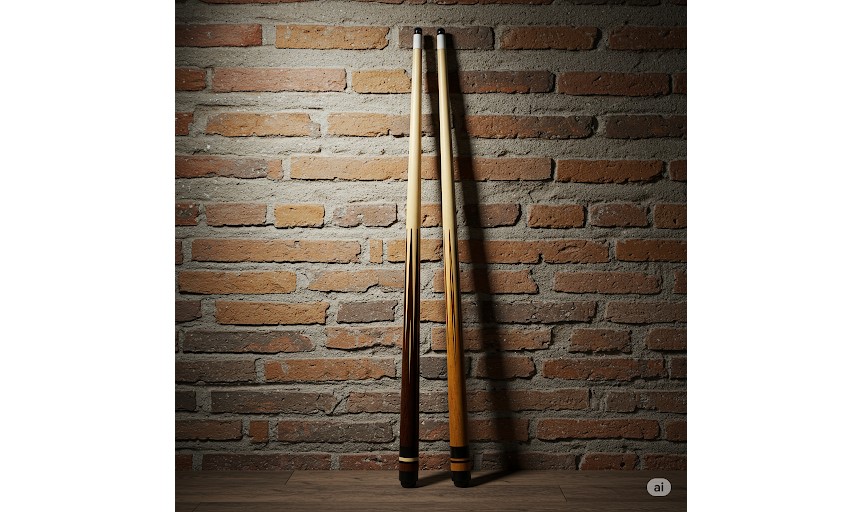
The cue sticks used are typically heavier and more rigid than those in pool. This provides better control over carom shots. Balls are made from phenolic resin and must be precisely weighted.
Proper lighting is also crucial. Overhead lights eliminate shadows and ensure clarity. Tournaments usually use professional-grade lighting systems for consistency.
Techniques and Strategy
Successful players rely on finesse and planning. Unlike pool, power shots are rare. Precision matters more than strength.
Players must think several moves ahead. Positioning the object balls after a carom sets up future shots. Managing balk spaces also requires skillful planning.
Practicing spin and angles is essential. Mastering English (side spin) allows for advanced shot-making. Players often practice these shots for hours each day.
Defensive play also features in Balkline. A player may choose a difficult shot to force the opponent into a poor position. These tactics elevate the mental complexity of the game.
Famous Players and Historic Matches
Maurice Vignaux and Jacob Schaefer Sr. were early legends of the game. Their matches set attendance records and advanced the sport.
Raymond Ceulemans from Belgium is another iconic figure. Though he dominated three-cushion billiards, his skills in Balkline are legendary. His consistency and sportsmanship inspired many.
Toru Suzuki of Japan and Eddy Leppens of Belgium are modern stars. Their games display high-level technique and tactical brilliance.
Historic matches often feature in training videos. Coaches use these games to teach positioning and mental focus.
Future of the Sport
The future of Balkline Billiards looks promising. Online streaming expands its audience. Younger players find inspiration through YouTube and Twitch.
National federations continue to fund junior programs. Schools integrate billiards into physical education. New players gain access to better facilities and coaching.
Technological advancements also improve training. Video analysis tools help refine techniques. Virtual simulations allow for safe practice without physical tables.
Efforts are also underway to include Balkline in more multi-sport events. This would increase exposure and boost global participation.
Conclusion
Balkline Billiards is more than just a game. It represents history, culture, skill, and community. From its European roots to its global reach today, the sport has captivated minds for over a century. Amateur and professional players alike continue to uphold its traditions while embracing modern innovations. The strategic depth, social value, and competitive spirit of Balkline ensure that it will remain a cherished cue sport for generations to come.
If you’re looking to explore a sport that combines finesse, intellect, and global tradition, Balkline Billiards offers the perfect challenge. Dive in and discover the beauty of this remarkable game.