
Ball Badminton: The Untold Legacy of a Traditional Indian Sport
Ball Badminton is a fast-paced, energetic racquet sport that originated in southern India. Often overshadowed by its cousin, shuttle badminton, this sport offers a thrilling combination of speed, strategy, and athleticism. Over the years, Ball Badminton has grown from a regional pastime to a game played in various pockets around the world. Its rich history and community-driven spirit make it more than just a sport—it’s a cultural phenomenon.
The Origins and History of Ball Badminton
The sport traces its roots to the royal families of Tamil Nadu. In the mid-19th century, members of Indian royalty and aristocracy played it in their courtyards. They enjoyed the game during the hot Indian summers, where wind-resistant equipment was necessary.
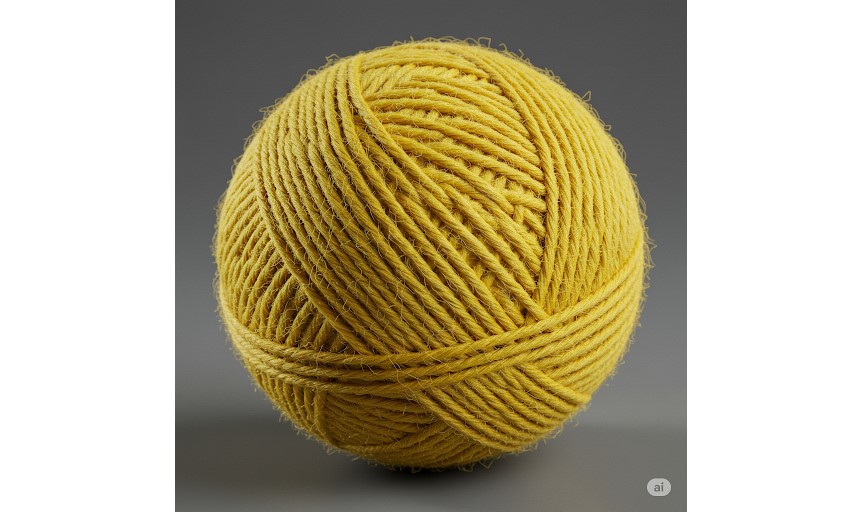
The ball used in the sport is made of wool. It is lighter and designed to handle outdoor conditions, unlike the feathered shuttlecock used in traditional badminton. As time passed, the sport gained traction among commoners. Schools and clubs began to form teams, and by the early 20th century, the game was thriving in many parts of South India.
In 1954, the Ball Badminton Federation of India (BBFI) was established. This governing body standardized rules and began organizing national-level tournaments. These efforts brought a sense of structure and legitimacy to the sport. With consistent promotion, Ball Badminton reached other states such as Andhra Pradesh, Karnataka, and Maharashtra.
Global Reach and Popularity of Ball Badminton
Though rooted in India, Ball Badminton has slowly spread to other countries. Indian expatriates in Southeast Asia and the Middle East have introduced the game to new audiences. Tournaments in countries like Malaysia and the UAE have shown the sport’s international appeal.
In recent years, awareness campaigns and digital content have helped increase the sport’s visibility. YouTube tutorials and live-streamed matches have attracted younger viewers. Community clubs in countries like Singapore and Sri Lanka have started organizing local tournaments.
However, it hasn’t yet reached the mainstream level of cricket or soccer. The sport’s global growth remains in its early stages. Even so, the passion among its players ensures that Ball Badminton continues to gain followers.
Youth Involvement and Amateur Play
Ball Badminton is widely played in Indian schools and colleges. Physical education departments often include the sport in their curriculum. It’s affordable and requires minimal equipment, which makes it ideal for rural schools.
Annual inter-school and inter-college tournaments promote healthy competition. These events often serve as scouting grounds for state and national teams. Many Indian districts have coaching centers where young players receive formal training.
The Amateur Ball Badminton Association regularly organizes training camps and workshops. These sessions introduce newcomers to the sport and refine the skills of seasoned players. Local NGOs and sports promotion organizations also fund equipment and coaching in underprivileged areas.
In urban areas, residential communities and sports clubs host weekend matches. This accessibility makes Ball Badminton a popular choice for amateur athletes. The sense of community further boosts its appeal among youth and casual players alike.
Professional Leagues and Competitive Structure
While the amateur scene thrives, Ball Badminton has also developed a competitive professional structure. The Ball Badminton Federation of India (BBFI) holds national championships annually. State federations conduct regional tournaments to identify talent for the national stage.
Teams from various states compete in men’s, women’s, and mixed categories. The structure mirrors other professional sports with leagues and knockout stages. Top players often gain recognition and sometimes secure jobs in public sector organizations through sports quotas.
Corporate sponsorships are slowly making their way into the sport. Brands in the sportswear and nutrition sectors are beginning to support top-tier players. Televised matches and online streaming have brought more visibility to professional leagues.
Several states like Tamil Nadu and Karnataka have initiated state-level leagues. These platforms help athletes transition from amateur to professional levels. Through league play, players gain exposure and improve their performance under pressure.
Internationally, exhibition matches have been held in countries with significant Indian populations. These games showcase talent and ignite interest in foreign audiences. Although no global professional league exists yet, the foundation is being laid for future expansion.
Political and Social Significance of Ball Badminton
Ball Badminton holds unique political and social value in Indian society. In many rural regions, it serves as an equalizer. Unlike expensive sports requiring advanced facilities, this game only needs basic equipment and a court.
Local governments have used the sport in public engagement campaigns. Community sports festivals often include Ball Badminton to foster unity and youth involvement. It plays a role in community development and skill-building.
Politicians sometimes attend major tournaments, signaling support for grassroots sports. These appearances elevate the sport’s status and encourage youth participation. Additionally, sports development schemes include funding for Ball Badminton infrastructure.
Socially, the sport encourages discipline and teamwork. Players often form lifelong friendships through shared competition. In regions with limited recreational options, it serves as a crucial outlet for physical activity and social interaction.
Women’s participation has also seen an uptick in recent years. Female athletes compete at all levels, gaining confidence and visibility. This inclusion further underscores the sport’s social relevance.
Rules and Gameplay
The game is played on a rectangular court measuring 12 meters by 24 meters. A net divides the court, standing at a height of 1.5 meters. Each team consists of five players and two substitutes.
A woolen ball is used, weighing around 30 grams. The ball must be yellow for better visibility. Racquets resemble those used in tennis, though lighter and smaller in size.
A match consists of three sets. Each set goes up to 34 points. The team that wins two sets first wins the match. Points are scored on every serve, and players rotate positions after each set.
The serve must be underhand, and the server stands behind the baseline. The receiving team cannot move until the ball is hit. Players are not allowed to touch the net or cross into the opponent’s court.
Faults occur if the ball touches the ground, hits the net, or is double-hit. Each fault results in a point for the opposing team. Referees and line judges monitor the game to ensure fairness.
Substitutions can be made during breaks or after a set. Tactical switches are common in high-stakes matches. The fast-paced nature demands agility, quick reflexes, and precise coordination.
Uniforms are mandatory. Players must wear non-marking shoes, usually with gum soles. This footwear provides the grip needed on outdoor courts. Protective gear like knee caps and wristbands is optional but recommended.
Training involves drills to improve footwork and shot accuracy. Endurance training is also crucial. Players often engage in strength conditioning to reduce the risk of injury.
Conclusion
Ball Badminton is a sport that combines rich heritage with dynamic gameplay. It thrives in Indian communities and is gradually gaining attention abroad. Its simplicity, inclusiveness, and competitive spirit make it appealing across all age groups.
From schoolyards to professional courts, the sport has carved a niche for itself. Its cultural and social significance cannot be overstated. As awareness grows, more nations may embrace this traditional yet vibrant game.
Whether played casually or competitively, Ball Badminton continues to inspire. It stands as a testament to India’s rich sporting tradition and the universal love for athletic challenge.