
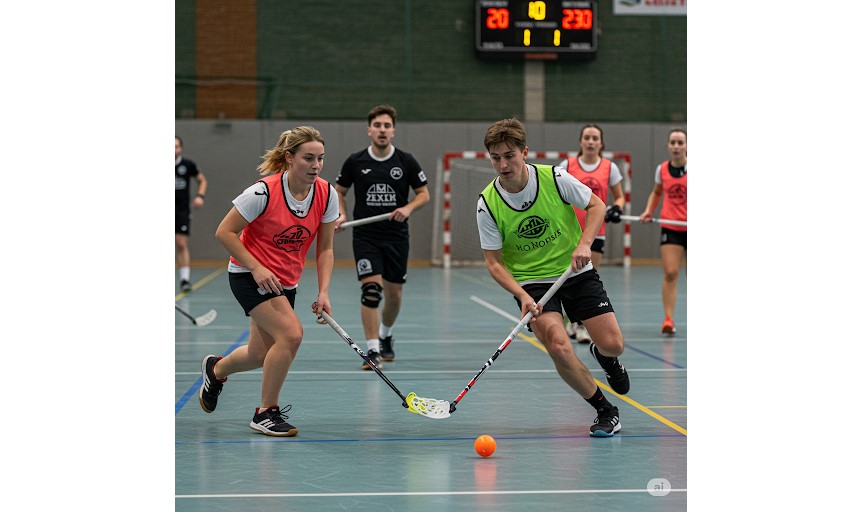
Ball Hockey: A Complete Guide to the Fast-Growing Global Sport
Ball Hockey is an exciting and fast-paced sport that combines elements of ice hockey with the accessibility of street hockey. Unlike ice hockey, Ball Hockey is played on foot using a ball instead of a puck. The game has gained immense popularity over the years and continues to grow at both amateur and professional levels. This post will take you through the history, global appeal, amateur play, professional leagues, social significance, and the rules of Ball Hockey.
The Origins and History
It traces its roots to informal street games played by kids in North America during the early 20th century. Children would mimic their ice hockey heroes using sticks and tennis balls on asphalt and driveways. Over time, this backyard pastime evolved into an organized sport.
By the 1960s, community centers and sports organizations began to recognize it as a legitimate activity. The sport gained momentum in Canada, where a structured league format was introduced. The Canadian Ball Hockey Association (CBHA) was established in 1977. This marked a major milestone in formalizing rules and competition.
In the 1980s and 1990s, international interest surged. European countries such as Slovakia and the Czech Republic adopted the sport enthusiastically. Tournaments and world championships soon followed. The International Street and Ball Hockey Federation (ISBHF) was founded in 1993, providing global governance and standardized regulations.
It continues to evolve. Today, countries around the world celebrate its heritage and competitive spirit.
Global Popularity
Ball Hockey has gained fans across multiple continents. Canada remains the sport’s powerhouse, with thousands of players involved at all levels. National tournaments and local leagues flourish in nearly every province.
In the United States, Ball Hockey enjoys a loyal following. Cities like Pittsburgh, Philadelphia, and Boston host competitive leagues. U.S. teams often compete internationally with strong performances.
Europe has become a significant hub for Ball Hockey. The Czech Republic and Slovakia boast deep talent pools and professional infrastructure. The sport is also played in Italy, Austria, Germany, and Switzerland.
Asian nations like India and Pakistan have seen a recent surge in Ball Hockey interest. Community-driven initiatives and international exposure have fueled this growth. Even in Australia and New Zealand, leagues have started forming with promising participation rates.
The ISBHF oversees international tournaments, ensuring fair play and promoting global unity. The World Ball Hockey Championships feature both men’s and women’s divisions. These events draw teams from across the globe and are celebrated with enthusiasm.
Amateur Ball Hockey: Youth and School Involvement
Amateur Ball Hockey forms the backbone of the sport. It thrives at grassroots levels, especially among youth and in schools.
In Canada, it is introduced in elementary schools. Teachers and coaches incorporate it into physical education programs. Students learn basic skills such as stickhandling, shooting, and teamwork. Youth leagues also provide weekend competitions for all age groups.
The United States follows a similar pattern. Non-profit organizations and local sports clubs organize youth Ball Hockey tournaments. Urban areas benefit from government grants and public parks that support the game.
European countries emphasize youth development as well. Slovakia, for example, runs school leagues that feed into national youth teams. These systems foster high skill levels from an early age.
India has integrated Ball Hockey into community centers. Young players receive training from former professionals and certified coaches. Clinics and camps are held to develop talent and promote inclusivity.
Technology has helped the growth of amateur Ball Hockey. Online coaching resources, streaming of games, and digital scorekeeping enhance the experience for players and parents alike.
Professional Ball Hockey Leagues Around the World
Although it began as a recreational activity, it now includes professional leagues. These organizations provide structured, competitive environments for elite athletes.
In Canada, the National Ball Hockey League (NBHL) is a premier competition. Teams from various provinces compete in a structured format with regular-season games and playoffs. Sponsorships and media coverage continue to grow.
The United States has launched its own version of the NBHL. The league includes multiple divisions based on skill levels and geography. Matches are streamed online, expanding the sport’s reach.
In Europe, Slovakia and the Czech Republic operate highly competitive leagues. These leagues maintain professional standards, with training facilities, coaching staff, and medical support.
Italy has also invested in a national league structure. Their teams participate in international tournaments and contribute to the country’s rising profile in the sport.
India is exploring professional league formats. Pilot programs in major cities have shown promise. Corporate partnerships and government interest may lead to an official league soon.
The ISBHF supports all professional efforts. It provides guidelines and promotes global tournaments that feature top talent from each country.
Political and Social Significance
Ball Hockey plays a vital role beyond competition. It has social and political significance that affects communities worldwide.
The sport is accessible and inexpensive. Equipment costs are lower than ice hockey, making it ideal for low-income neighborhoods. Many cities fund community programs that offer free play opportunities.
It promotes social integration. Immigrant communities in Canada and Europe often use the sport as a bridge to connect with local populations. It fosters teamwork, discipline, and communication among diverse groups.
In some regions, Ball Hockey has been used for diplomacy. Friendly matches between countries help improve relations. Sportsmanship and cultural exchange become tools for peaceful interaction.
Youth participation in Ball Hockey also reduces crime and improves academic performance. Programs in inner-city areas focus on character building and leadership through sport.
The sport empowers women as well. Female leagues and co-ed teams provide equal opportunities. International competitions feature strong women’s representation, challenging stereotypes and promoting gender equality.
During the COVID-19 pandemic, Ball Hockey adapted quickly. Outdoor rinks and modified rules allowed safe play. This kept communities engaged and active during difficult times.
Detailed Rules of Ball Hockey
Ball Hockey shares similarities with ice hockey, but it also has unique rules.
The game is played on a non-ice surface like a gym floor or outdoor rink. The rink measures about 160 feet by 80 feet. Two teams of six players each—including a goalie—compete to score the most goals.
The ball used is typically orange and made of hard plastic. It bounces less than a regular ball, allowing better control.
Games consist of three periods, each lasting 15 to 20 minutes depending on the league. Teams switch sides after each period.
Faceoffs start play at the beginning of each period and after goals. Offside and icing rules apply but are adapted for the playing surface.
Players must wear protective gear. This includes helmets, gloves, shin guards, and mouthguards. Goalies wear additional padding.
Checking is usually restricted or prohibited, especially in amateur and youth leagues. Body contact rules vary by age group and league regulations.
Penalties result in time in the penalty box. Minor infractions like high-sticking or tripping lead to a 2-minute penalty. Major fouls result in ejection.
Overtime rules depend on the tournament or league. Some games use sudden-death periods, while others go to a shootout.
Referees enforce rules and ensure fair play. Instant replay may be used in professional settings to review close calls.
Conclusion
Ball Hockey has grown from humble beginnings into a respected and beloved sport across the globe. Its history is rich, and its impact is profound. Countries on every continent now participate at various levels, from school programs to professional leagues.
This sport teaches life skills, builds communities, and provides an avenue for global unity. The accessibility of Ball Hockey ensures it will continue to expand and inspire future generations.
Whether you’re a player, coach, or fan, it offers something for everyone. Its dynamic pace and inclusive nature make it one of the most compelling sports in today’s world.
Get involved, grab a stick, and experience the thrill of Ball Hockey.