
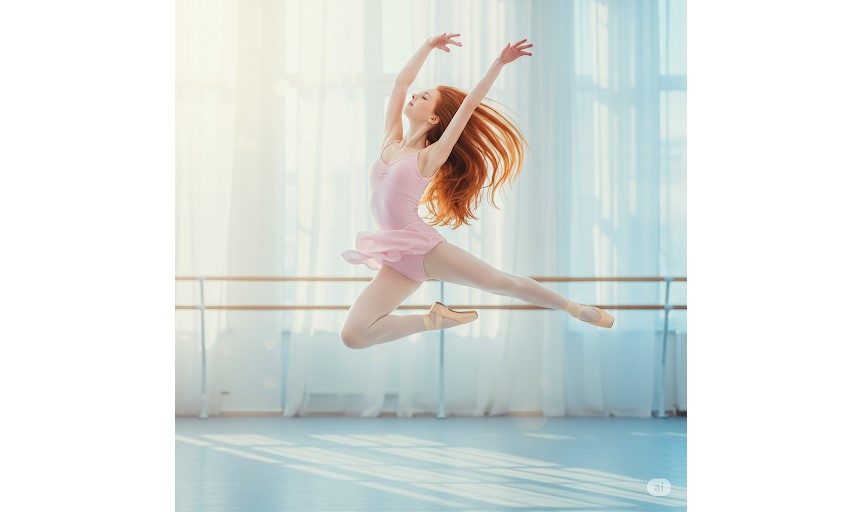
Ballet: The Global Sport of Grace, Discipline, and Expression
Ballet has long captivated audiences with its blend of artistry and athleticism. Around the world, it draws in countless practitioners, both amateur and professional. Many see it as a performing art, but it also functions as a rigorous sport. With its precise technique, demanding training, and competitive opportunities, Ballet holds a unique place in the global sports landscape. From its European origins to its current global reach, it continues to inspire dedication and passion.
The Origin and History
Ballet began in the royal courts of Italy during the Renaissance. Noblemen and women performed dances to celebrate events and entertain guests. Catherine de’ Medici, an Italian noblewoman, brought these performances to France in the 16th century. Her influence helped spread the popularity of this courtly dance form.
In France, it evolved into a structured performance art. King Louis XIV, an avid dancer, established the Académie Royale de Danse in 1661. This institution formalized training and set the foundation for Ballet technique. During this time, it shifted from courtly entertainment to theatrical performance. Dancers began to perform on stage in front of seated audiences.
By the 18th century, it had spread across Europe. Russia became a major center for Ballet development in the 19th century. The Russian Imperial Ballet introduced groundbreaking techniques and elevated performance standards. Choreographers like Marius Petipa and composers like Tchaikovsky contributed to iconic productions such as The Nutcracker, Swan Lake, and Sleeping Beauty.
During the 20th century, it experienced global expansion. Russian dancers and choreographers emigrated to other countries, forming new companies. Ballet took root in North America, Latin America, Asia, and Africa. It evolved to include diverse styles, including classical, neoclassical, and contemporary Ballet.
Global Popularity
Ballet is now practiced and appreciated on every continent. Countries with strong traditions include Russia, France, the United States, and the United Kingdom. Each nation developed distinct schools of training, often referred to as “methods.”
For example, Russia has the Vaganova method, known for its strength and precision. France emphasizes elegance and clarity of movement. The American method combines various European styles and encourages artistic individuality. These schools have become global exports through touring companies, guest teachers, and international festivals.
Today, it thrives in urban and rural communities alike. Major cities boast large Ballet companies, while smaller towns often support youth programs and academies. Television broadcasts and online platforms make performances accessible worldwide. Ballet competitions, like the Youth America Grand Prix and Prix de Lausanne, attract international talent.
Many developing countries have also embraced it. Initiatives such as Dance for All in South Africa and Ballet Beyond Borders in the U.S. work to bring it to underprivileged communities. These programs demonstrate the sport’s broad appeal and ability to transcend socioeconomic barriers.
Amateur Ballet in Schools and Communities
Amateur Ballet plays a critical role in introducing young people to the sport. Most children begin with pre-ballet classes as early as age three or four. These sessions focus on basic motor skills, rhythm, and coordination.
As students grow, they progress into structured levels of Ballet education. Schools often follow syllabi from institutions like the Royal Academy of Dance or American Ballet Theatre. Exams and performances serve as milestones in a dancer’s journey.
Many public and private schools offer it as part of arts education. Some magnet schools specialize in performing arts and offer intensive Ballet programs. Universities and conservatories also provide pre-professional training. These institutions prepare students for auditions and potential careers.
Local studios, community centers, and nonprofit organizations further expand access. They host recitals, offer scholarships, and encourage lifelong participation. These grassroots efforts help maintain the sport’s popularity and reach.
Professional Ballet Leagues and Companies
It does not have traditional leagues like football or basketball, but it boasts numerous prestigious companies. These companies function as the elite tier of the sport. They hire dancers through auditions and offer full-time contracts.
Examples include the Bolshoi Ballet in Moscow, the Paris Opera Ballet, and the Royal Ballet in London. In the United States, the American Ballet Theatre and New York City Ballet are major players. Other renowned companies include the National Ballet of Canada, Stuttgart Ballet in Germany, and the Australian Ballet.
These companies perform seasons of repertory works, ranging from classic to modern. Dancers often tour internationally, showcasing their talent to diverse audiences. Contracts typically include health benefits, retirement plans, and performance bonuses.
Smaller companies and independent projects also contribute to the professional ecosystem. These groups often experiment with innovative choreography and engage local communities. They provide employment for dancers, choreographers, costume designers, and production staff.
Competitions and festivals act as a proving ground for emerging talent. Events such as the International Ballet Competition in Varna or the Moscow International Competition help identify rising stars.
Social and Political Significance
It holds cultural value that extends beyond the stage. It reflects national identities and contributes to diplomatic relations. Countries often fund Ballet companies as part of cultural policy and international outreach.
For example, during the Cold War, the Soviet Union used Ballet tours as soft power tools. The Bolshoi and Kirov Ballets toured extensively, demonstrating Soviet excellence. Similarly, the United States promoted its companies abroad as symbols of freedom and creativity.
In recent years, it has become a platform for social change. Choreographers address issues such as gender, race, and mental health through performance. Dancers and companies advocate for equity, diversity, and inclusion in hiring and casting.
Community outreach programs bring Ballet to hospitals, prisons, and underserved schools. These efforts highlight Ballet’s capacity to heal, empower, and unite. They show that the sport is not only for elites but for everyone.
The sport also plays a role in body politics. Traditional norms around appearance and weight have faced criticism. Movements for body positivity and mental wellness have prompted reforms. Companies now support dancers with nutritionists, therapists, and flexible training plans.
Rules and Structure of Ballet as a Sport
Ballet involves strict rules and techniques that govern movement. Dancers must master five basic foot positions. These serve as the foundation for all other movements. Technique classes focus on alignment, turnout, and strength.
Each class follows a standard structure. Dancers begin with barre exercises to warm up. These include pliés, tendus, and rond de jambe. They then move to center work, which includes turns, jumps, and combinations.
Rehearsals prepare dancers for performances. Choreographers set works, and dancers memorize steps, timing, and formations. Precision and musicality are essential. Judges score these elements in competitions.
Unlike some sports, it does not have fixed scoring systems. However, in competitions, judges evaluate technique, artistry, and interpretation. Penalties may occur for mistakes like falls, incorrect footwork, or poor timing.
Performances follow a theatrical format. Productions have acts, scenes, and narratives. Dancers portray characters through movement, facial expression, and mime. Costumes, lighting, and sets enhance the experience.
Professional dancers must meet physical requirements. They train for hours daily and maintain strict diets and routines. Recovery methods like ice baths, massage, and stretching help prevent injury.
Mental discipline is equally crucial. Dancers memorize long sequences, adapt to changes, and perform under pressure. They must remain focused during both practice and live shows.
Conclusion
Ballet exemplifies the perfect fusion of sport and art. Its rich history, global influence, and societal impact make it unique. From amateur studios to professional stages, it continues to evolve and inspire.
Young dancers train with hopes of joining elite companies. Audiences worldwide marvel at the skill and emotion on display. Cultural institutions invest in Ballet to foster creativity and diplomacy.
As awareness grows, so does appreciation for the sport’s physical demands. It may appear effortless, but it requires years of hard work and dedication. Its influence stretches far beyond the theater, touching lives in profound ways.
Whether experienced in a grand opera house or a small community center, it leaves a lasting impression. It challenges, uplifts, and connects. In every plié and pirouette, the legacy of Ballet lives on.