
The Art and Sport of Baton Twirling: A Deep Dive
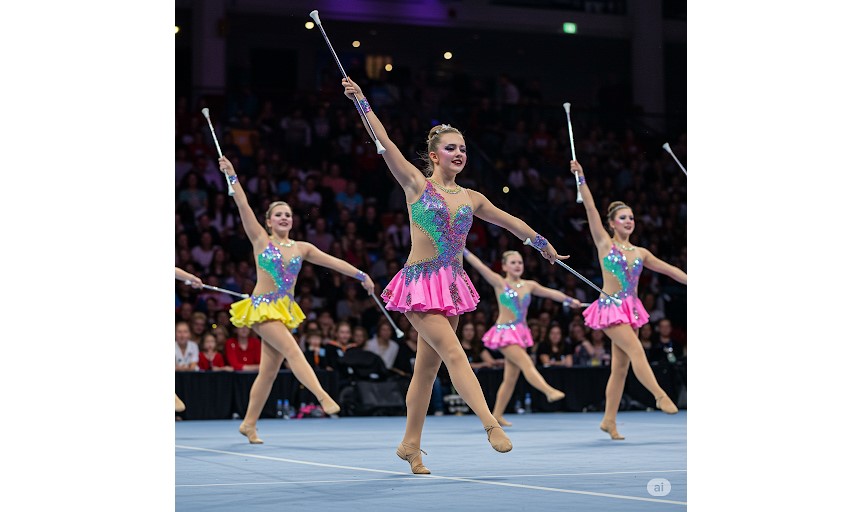
Baton Twirling combines athleticism, grace, and artistry. As a sport, it requires agility, coordination, and showmanship. Originating centuries ago, this discipline has evolved into a competitive activity with global appeal. Baton Twirling continues to captivate audiences through mesmerizing routines and impressive skill sets. The sport blends elements of gymnastics, dance, and cheerleading, making it both dynamic and visually stunning.
Origin and History of Baton Twirling
The roots of Baton Twirling trace back to ancient rituals. In early tribal societies, sticks and spears were used in ceremonial dances. Over time, these movements transformed into performance art. During the Middle Ages, baton-like instruments appeared in military drills and celebrations. Drum majors would lead parades, twirling maces in rhythmic patterns.
In the early 20th century, the sport began to formalize. American marching bands adopted baton twirling as part of their halftime shows. By the 1930s, dedicated twirling competitions began to emerge. The first organized events took place in the United States. Clubs formed to teach and promote the discipline among young people.
By the 1960s, international competitions surfaced. Countries like Japan, France, and Canada embraced the sport. Baton twirling saw rapid development with the introduction of standardized rules. Associations were founded to govern and support athletes worldwide.
Global Popularity and Reach
Today, Baton Twirling enjoys popularity in many parts of the world. The United States remains a stronghold, with thousands of athletes participating at local and national levels. Japan has also become a powerhouse, producing world champions and hosting major events.
European countries like France, Italy, and the Netherlands support competitive leagues. Each nation boasts dedicated training centers and coaching programs. The World Baton Twirling Federation (WBTF) unites countries under a single governing body. This organization hosts the World Championships every two years.
Australia and South Africa have seen steady growth in recent years. Social media platforms have helped fuel interest, especially among youth. Highlight videos and tutorials circulate online, drawing in new fans and aspiring twirlers.
Amateur Baton Twirling: Youth and Schools
At the amateur level, Baton Twirling thrives in schools and community programs. Children often start twirling between the ages of four and eight. Beginner classes focus on basic handling and simple routines. Instructors emphasize hand-eye coordination, flexibility, and rhythm.
Schools and recreation centers offer extracurricular clubs. Many host seasonal showcases and interschool competitions. Parents and teachers support young twirlers through organized practices and fundraising events.
Youth organizations, such as the National Baton Twirling Association (NBTA), play a crucial role. They provide resources, curriculum, and judging criteria. Local, regional, and state competitions give children the chance to perform and advance.
High school programs may integrate baton twirling with marching bands. Twirlers perform during football games, pep rallies, and parades. College-level teams offer scholarships and compete in national tournaments.
Participation teaches discipline, teamwork, and confidence. The sport promotes physical fitness while encouraging creativity. Many youth twirlers continue into adult amateur leagues or transition into coaching.
Professional Leagues and Competitions
Professional Baton Twirling exists, though on a smaller scale compared to mainstream sports. Top athletes often train for years to compete at elite levels. Several major organizations oversee professional events worldwide.
The World Baton Twirling Federation (WBTF) remains the most prominent. It partners with national bodies to host the World Championships. These events attract hundreds of athletes from over 30 countries.
The NBTA International also holds significant competitions. Its Grand National Championships in the United States feature top-tier talent. Japan’s national association hosts rigorous contests that draw widespread attention.
Some twirlers perform professionally in entertainment. They appear in theme parks, theatrical productions, and televised events. Choreographed routines may incorporate fire batons, flags, or multiple batons.
Professional status brings opportunities for sponsorships and brand endorsements. However, most athletes balance twirling with other careers. The sport continues to grow, fueled by passion and community support.
Political and Social Significance
Baton Twirling has contributed to cultural diplomacy. International competitions foster friendships across borders. Athletes travel globally, experiencing new cultures and traditions.
The sport has helped empower women and girls. Many twirlers gain leadership skills and self-esteem through participation. Female athletes dominate the sport, although male participation is rising.
Community events often feature twirling performances. Local parades, festivals, and school functions showcase routines. These appearances strengthen community bonds and celebrate civic pride.
Politically, the sport advocates for arts education. Supporters push for inclusion in school curriculums. They argue that twirling promotes both athletic and artistic development.
Twirling also intersects with social movements. Inclusion efforts welcome athletes of all backgrounds, abilities, and identities. Programs aim to create safe, diverse, and supportive environments.
Rules and Structure of the Sport
Baton Twirling competitions follow a detailed set of rules. Judges score routines based on technique, execution, and showmanship. Each performance must demonstrate control, creativity, and difficulty.
Routines are set to music and range in length. Solo events usually last between 1 and 2 minutes. Group routines may extend to 4 minutes, depending on category.
Common events include:
- Solo Twirl: One athlete performs choreographed moves.
- Strut: Combines marching and baton tricks in a linear format.
- Two-Baton and Three-Baton: Involves handling multiple batons simultaneously.
- Team: Groups of twirlers perform synchronized routines.
- Dance Twirl: Integrates ballet or jazz dance with baton elements.
Athletes must adhere to dress codes and safety regulations. Costumes should allow for movement and reflect routine themes. Batons must meet size and weight specifications.
Scoring considers timing, rhythm, and precision. Drops or fumbles reduce overall scores. Creativity, difficulty, and crowd engagement enhance performance marks.
Twirlers progress through levels, from novice to elite. Advancement requires consistent performance and competition success. Coaches and judges receive formal training and certification.
Conclusion
Baton Twirling is more than a sport. It embodies athletic prowess, artistic expression, and community spirit. From ancient rituals to global stages, its evolution tells a remarkable story. The sport thrives in schools, clubs, and professional arenas.
Governed by dedicated organizations, it offers structured opportunities for growth. Twirlers benefit from discipline, creativity, and camaraderie. International competitions highlight its cultural and social significance.
As Baton Twirling continues to expand, it inspires new generations. Through dedication and passion, athletes carry the torch of a unique and vibrant tradition.