
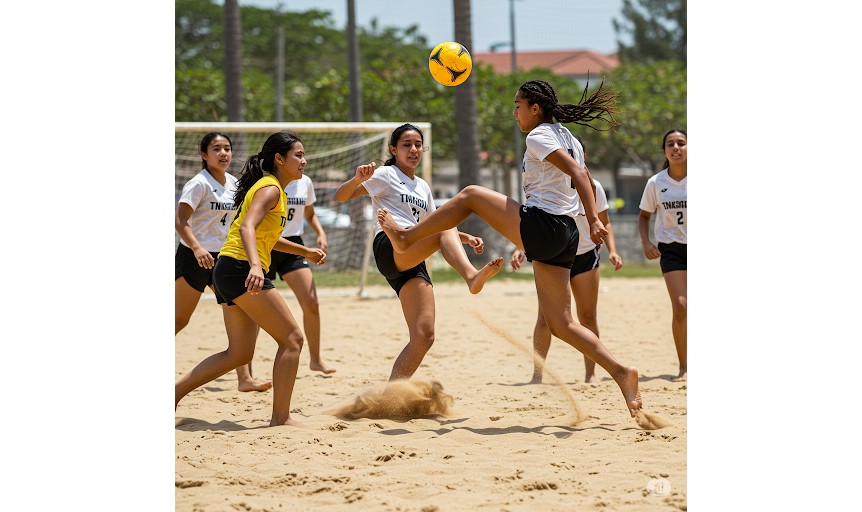
The World of Beach Soccer: A Dynamic Global Sport
Beach Soccer has grown from a casual seaside pastime to a thrilling global sport. It blends athleticism, agility, and flair. Known for its vibrant atmosphere and fast-paced gameplay, it offers a unique viewing and playing experience. The sport thrives on coastal sands and inspires communities across continents. This blog will explore its rich history, global popularity, amateur engagement, professional leagues, rules, and its socio-political impact.
The Origin and History of Beach Soccer
The roots trace back to Brazil. During the early 1940s, football-loving locals began playing on the beaches of Rio de Janeiro. Informal matches evolved into organized games. The sandy surface added a new level of difficulty and flair to the sport. Over time, it gained momentum in other coastal areas of South America.
In 1992, the sport was formalized with standardized rules. This was led by a group of sports enthusiasts including Giancarlo Signorini. The first professional tournament took place in Miami Beach, Florida, in 1993. That event sparked international interest. By 1995, the Beach Soccer World Championship debuted, drawing teams from all over the globe.
FIFA recognized the sport officially in 2005. Since then, the FIFA Beach Soccer World Cup has been held every two years. The game has evolved with better regulations, professional training, and international participation. Today, it is a structured sport with a growing fanbase.
Global Popularity and Geographic Spread
It has achieved significant global reach. Initially dominated by Brazil and other South American countries, the sport now flourishes in Europe, Asia, Africa, and North America. Nations like Portugal, Spain, and Russia have embraced it with enthusiasm.
In Asia, countries like Japan and Iran have developed competitive teams. These nations often challenge traditional powerhouses. Africa has seen a rise in talent, especially in Senegal and Nigeria. Their beach athletes regularly compete in continental and global events.
The United States has made strides in promoting the sport. Regional leagues and youth programs have been introduced. Meanwhile, Caribbean nations and Pacific island countries leverage their natural coastal settings to play and promote the sport.
Global tournaments, such as the Euro Beach Soccer League and the Intercontinental Cup, attract massive viewership. They help raise awareness and expand the sport’s reach. Media coverage and online streaming have brought international matches to fans worldwide.
Amateur and Youth Beach Soccer
At the grassroots level, it offers an accessible entry point for young players. The sport is commonly introduced in school physical education programs. In many coastal communities, informal matches serve as both recreation and talent scouting grounds.
Youth academies have emerged in countries like Brazil, Portugal, and Japan. These academies provide training, competitions, and mentorship. School leagues help students build technical skills, teamwork, and fitness. Many players transition from traditional football to Beach Soccer due to its creativity and fun.
Amateur clubs often organize weekend tournaments. These events foster local talent and community spirit. NGOs and sports initiatives use Beach Soccer to engage underprivileged youth. The sport’s low infrastructure requirement makes it ideal for informal and formal setups alike.
Volunteers and former professional players often coach these amateur teams. Their involvement adds credibility and structure. In developing countries, beach soccer events are tied with educational programs. These initiatives teach life skills and social values alongside sportsmanship.
Professional Leagues Around the World
Professional Beach Soccer leagues operate on almost every continent. In Europe, the Euro Beach Soccer League is the most prestigious. Founded in 1998, it features elite national teams from across the continent. The league has elevated standards and visibility of the sport.
In South America, the Copa Libertadores de Beach Soccer serves as a club championship. Top clubs from Brazil, Argentina, and Paraguay compete annually. Brazil’s domestic league is the most advanced, with structured seasons and televised games.
Asia has the AFC Beach Soccer Championship. It doubles as a qualifier for the FIFA Beach Soccer World Cup. Countries like Iran, Japan, and the UAE have professional clubs that nurture players and entertain fans.
The United States hosts several regional tournaments. Events like the North American Sand Soccer Championships attract teams from across the country. The Beach Soccer Worldwide organization partners with local federations to promote the sport professionally.
In Africa, the CAF Beach Soccer Africa Cup of Nations stands out. Senegal has emerged as a continental powerhouse. Their players often join European clubs, further professionalizing their careers.
Rules of Beach Soccer
Beach Soccer rules differ from traditional football. Each team consists of five players, including a goalkeeper. Matches are played on a sandy pitch, which influences strategy and player movement.
Games have three 12-minute periods. If tied, matches go to extra time and, if needed, a penalty shootout. Players wear no footwear. This rule enhances agility and reduces injury risk on sand.
There are no draws. Every match must yield a winner. Throw-ins are replaced by kick-ins. Goalkeepers can score but must release the ball within four seconds.
Free kicks are direct and taken by the fouled player. Referees enforce strict conduct rules. Yellow and red cards apply as in standard football. Substitutions are unlimited and rolling.
The pace is high and dynamic. The ball stays in play more often due to the compact pitch. Spectacular overhead kicks and acrobatic saves are common, adding to the sport’s excitement.
Political and Social Impact of Beach Soccer
It has become more than a game. It acts as a tool for diplomacy, inclusion, and community development. Tournaments often promote peace and cooperation among nations. Countries use the sport to foster unity and international goodwill.
NGOs and humanitarian groups utilize it in conflict zones. It brings together youth from opposing sides. Such programs foster dialogue, respect, and healing. UNICEF and FIFA support beach soccer events that focus on education and health.
The sport empowers marginalized communities. Women’s leagues are growing, especially in Latin America and Africa. These leagues challenge gender norms and offer new opportunities.
Environmental awareness campaigns often partner with Beach Soccer events. Organizers promote clean beaches and ocean conservation. Players and fans participate in cleanup drives before or after matches.
Politicians attend matches to connect with constituents. Events also stimulate local economies through tourism and merchandise sales. In many developing nations, it is linked to national pride and identity.
The Future of Beach Soccer
With rising global interest, it is poised for further growth. Technology, marketing, and youth engagement will drive its future. Social media platforms amplify player highlights and tournaments.
Virtual coaching tools are improving player development. Young athletes access training videos and drills online. This digital access breaks geographic and economic barriers.
National federations are investing in infrastructure. They build dedicated beach soccer arenas and training facilities. Such investments indicate long-term commitment.
Sponsors and broadcasters now see value in the sport. With vibrant visuals and energetic fans, it offers excellent branding opportunities. International brands sponsor leagues and players.
Future goals include Olympic inclusion. While not yet an official Olympic sport, advocates continue to lobby. Its appeal to younger audiences strengthens its case.
Conclusion
Beach Soccer continues to capture the imagination of players and fans around the world. From its humble Brazilian origins to the global stage, it has charted an impressive journey. Its accessibility, excitement, and cultural relevance set it apart.
Whether played by children on local shores or professionals under stadium lights, it remains a sport of passion. Its rules, leagues, and social impact ensure a vibrant future. As more nations embrace the game, Beach Soccer will continue to thrive and inspire the next generation.