
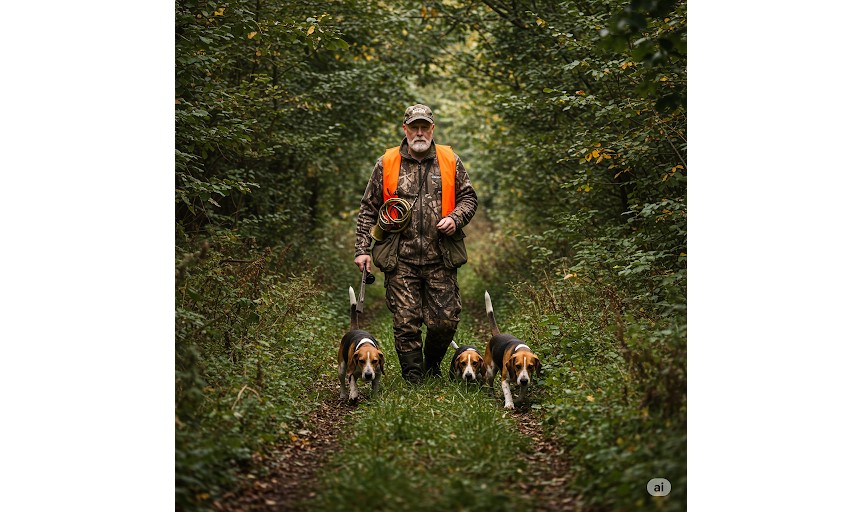
Beagling: A Historic and Evolving Sport Rooted in Tradition
It is a fascinating sport with deep roots in British countryside culture. This sport involves beaglers who follow a pack of beagles as they track the scent of hares on foot. Unlike fox hunting, which usually involves horses, beagling is done entirely on foot. It showcases the remarkable scenting abilities of the beagle breed. Moreover, it promotes camaraderie, physical fitness, and a connection with nature.
Origins and History of Beagling
It can trace its origins back to the Middle Ages. In early England, hunting with scent hounds was a common pastime among nobility. Beagles, small scent hounds with keen noses, were selectively bred for this purpose. They could navigate thick underbrush and chase small game like hares and rabbits.
During the 16th century, Queen Elizabeth I maintained a pack of “pocket beagles” under nine inches tall. These dogs were used for beagling and were known for their relentless tracking skills. As the sport evolved, beagles were bred to be slightly larger and more durable to handle longer pursuits.
By the 19th century, it had become an organized sport in the UK. Beagle packs were established by schools, universities, and hunting clubs. Formal hunts were held across the countryside. Participants wore traditional attire, including tweed jackets and hunting caps. These hunts were social events that brought communities together.
Beagling’s Global Popularity
Although it began in the UK, it gradually spread across the globe. English settlers introduced the sport to the United States, Canada, Australia, and New Zealand. In the U.S., beagling became popular in rural areas, especially in the Appalachian region. Clubs and associations soon formed to maintain standards and organize events.
Australia and New Zealand embraced beagling due to their British heritage. Local hunting clubs adopted the sport, adjusting it to local terrain and wildlife. In Canada, beagling has remained more niche but still maintains a dedicated following. Across Europe, it is primarily practiced in Ireland and France.
In Japan, it saw a brief rise in popularity in the mid-20th century. However, due to urbanization, the sport has since declined. South Africa hosts a few beagling clubs, though participation remains limited. Today, the UK remains the hub of traditional beagling.
Amateur Beagling: Youth and School Participation
Amateur beagling thrives in local communities and educational institutions. Many schools in the UK, especially private and boarding schools, maintain their own beagle packs. These institutions use it as a way to teach tradition, sportsmanship, and responsibility.
Youth beagling programs help introduce children to the sport at a young age. These programs focus on training, safety, and ethical hunting practices. Many hunts offer junior days where children can participate under supervision.
Clubs also host beagling workshops to educate newcomers. These workshops cover topics like handling beagles, reading terrain, and understanding scent trails. Youth participants learn to work as a team and develop a respect for nature.
In the U.S., 4-H clubs and rural youth groups sometimes include it in their outdoor education programs. These initiatives promote conservation awareness and animal welfare. Amateur beaglers often form strong bonds with their dogs, reinforcing commitment and care.
Professional Beagling Leagues Around the World
While it is mainly recreational, several regions have established professional organizations. In the U.K., the Association of Masters of Harriers and Beagles (AMHB) governs the sport. This organization oversees pack registration, event coordination, and ethical standards.
The United Beagle Gundog Federation (UBGF) plays a major role in the U.S. beagling scene. This federation hosts competitive field trials, where dogs are judged on scenting, stamina, and obedience. These trials attract top-tier breeders and handlers from across the country.
Canada also has organized events through regional hound clubs. These events typically include beagling trials and educational seminars. In Australia, beagling competitions are held by clubs affiliated with the Australian National Kennel Council.
Though smaller in scale, Ireland hosts some of the most competitive events. The Irish Masters of Beagles and Harriers coordinate national meets, often drawing international visitors. France holds localized beagling festivals, often combined with rural fairs and animal showcases.
Professional beaglers often dedicate their lives to training, breeding, and maintaining high-quality packs. These individuals are respected figures in their communities and often mentor aspiring hunters.
Political and Social Significance of Beagling
Beagling holds unique social and political significance, especially in the UK. Traditionally, beagling was associated with the upper class and rural aristocracy. Participation in hunts symbolized status and land ownership. Over time, the sport became more inclusive, welcoming individuals from various social backgrounds.
The Hunting Act of 2004 profoundly affected beagling in England and Wales. This law banned the hunting of wild mammals with dogs. However, beagling adapted by transitioning to drag hunting. In drag hunting, a scent trail is laid by a human runner, and no live quarry is pursued. This change allowed the sport to continue within legal boundaries.
Supporters of beagling argue that the sport fosters environmental stewardship and animal husbandry. Opponents often cite concerns about animal welfare. These debates continue in public forums and legislative bodies.
Socially, beagling plays a vital role in rural life. Hunts bring together communities and serve as major events in local calendars. They offer a platform for networking, charity fundraising, and cultural celebration. In some regions, entire villages participate in planning and hosting beagling meets.
Beagling also bridges generational gaps. Elders pass down traditions and stories, while youth bring new energy and perspectives. This intergenerational exchange strengthens community ties and preserves heritage.
Rules and Structure of Beagling
Beagling follows a structured set of rules to ensure fairness, safety, and animal welfare. Each hunt begins with a gathering of participants, known as the “meet.” The Master of the Beagles (MB) leads the event and outlines the day’s plan.
Beagles are released to find a scent trail, either from a live hare or a laid drag line. The hounds work together, communicating through barks and body language. Participants follow on foot, observing and encouraging the dogs.
During a live hunt, the hare must be flushed naturally without artificial interference. The goal is not necessarily to catch the hare but to test the dogs’ tracking skills. In drag hunting, the focus is entirely on the hounds’ performance.
Dogs are scored on various criteria, including nose sensitivity, endurance, cooperation, and obedience. Judges observe from strategic points to assess performance fairly. Beagles that excel may receive awards or recognition.
Safety is paramount in beagling. Handlers must ensure that beagles are fit, healthy, and vaccinated. Participants are briefed on terrain hazards and emergency procedures. Ethical guidelines emphasize respect for wildlife and the environment.
Beagling typically occurs during autumn and winter months. Cooler temperatures help preserve scent trails and protect the dogs from overheating. Most hunts last two to three hours, depending on terrain and weather.
Spectators are welcome at many beagling events. They are encouraged to maintain a respectful distance and follow instructions. Photography is allowed, though flash and loud noises should be avoided.
Conclusion
Beagling is more than a sport; it is a living tradition steeped in history and community. From its origins in medieval England to modern-day drag hunts, beagling has continually evolved. The sport brings together people of all ages to celebrate nature, teamwork, and shared heritage.
Around the world, beagling has inspired both amateur enthusiasts and professional leagues. Youth programs and schools keep the tradition alive while adapting it to modern values. The rules and structures of the sport ensure its ethical and sustainable practice.
As debates about animal sports continue, beagling stands as a model of adaptability and respect for tradition. Its political and social significance cannot be overlooked. More importantly, it provides a meaningful way for people to connect—with animals, with each other, and with the land.
Whether in the rolling hills of England or the forests of Appalachia, beagling continues to capture hearts. With its timeless charm and enduring relevance, beagling is a sport that truly stands the test of time.