
BMX: A Global Phenomenon on Two Wheels
BMX is more than just a sport; it is a cultural movement. Born in the dirt tracks of California, it has transformed into an international sensation. BMX combines speed, agility, and creativity. Its growth reflects changes in youth culture and global sports trends. This blog explores the sport’s origin, evolution, popularity, amateur scene, professional leagues, social impact, and rules. By the end, you will understand why BMX continues to capture the imagination of millions worldwide.
The Origin and History of BMX
BMX, short for Bicycle Motocross, began in the late 1960s in Southern California. Youths, inspired by motocross stars, mimicked their heroes using bicycles. They built makeshift tracks in vacant lots and rode dirt trails with thrilling intensity. These early riders created a new way of having fun on bikes.
The first organized races took place in 1970 in Palms Park, Los Angeles. From there, the sport gained momentum. By 1977, the American Bicycle Association (ABA) formed to create a structured competition environment. That same year, the National Bicycle League (NBL) emerged, adding further legitimacy.
In the 1980s, it exploded in popularity. Magazines like BMX Plus! and movies like RAD brought the sport into the mainstream. Freestyle BMX, a more acrobatic variant, also took root. Riders used urban landscapes and skateparks to perform tricks.
Europe caught on quickly. The UK, France, and the Netherlands established their own BMX communities. Australia and Japan followed soon after. In 1993, the Union Cycliste Internationale (UCI) recognized it as an official cycling discipline. This global endorsement was a turning point.
In 2008, BMX made its Olympic debut in Beijing. The inclusion elevated its status worldwide. Since then, it has remained a regular feature in the Olympic Games. Riders from all over the globe now dream of Olympic gold.
Global Popularity of BMX
It enjoys popularity on every continent. In the United States, it maintains a strong foothold in youth sports and extreme sports culture. Cities like Austin, San Diego, and Las Vegas serve as major hubs.
In Europe, countries like the Netherlands and France have world-class training facilities. Dutch riders frequently dominate international competitions. France boasts a vibrant amateur and professional BMX community.
Australia has cultivated a generation of BMX stars. The country invests heavily in action sports, encouraging participation from a young age. Japan has seen a rapid rise in talent, especially in freestyle BMX. The Tokyo 2020 Olympics showcased their prowess.
South American nations, particularly Colombia and Brazil, have embraced the sport with passion. Riders from these countries often train in high-altitude environments, enhancing their stamina. African nations are gradually developing BMX infrastructures. South Africa leads the charge with regular events and training camps.
Asian countries like China and South Korea have begun integrating it into their national sports programs. While still emerging markets, their potential is enormous.
Amateur BMX and Youth Involvement
BMX begins at the grassroots level. Children as young as five can participate in balance bike races. These events introduce the basics of competition and bike handling.
In the United States, school sports programs occasionally feature BMX. More commonly, local tracks offer training and racing opportunities. Organizations like USA BMX run youth leagues nationwide. They provide structured pathways for growth.
Europe takes a similar approach. Local clubs serve as training grounds for aspiring riders. Youth competitions occur almost every weekend in the cycling season. France and the Netherlands have especially robust youth systems.
In Australia, the AusCycling Junior Series attracts hundreds of young riders. Coaching programs emphasize safety, technique, and sportsmanship. This holistic approach ensures the sport remains accessible and fun.
Schools in Japan integrate it into physical education curriculums in some districts. Private BMX academies also offer specialized training. These efforts have produced world-class talent in a short time.
In less-developed regions, non-profits and international federations provide bikes and gear to young athletes. These initiatives foster inclusivity and expand the sport’s reach.
Amateur BMX serves as the backbone of the sport. It fosters discipline, community, and physical fitness. Young riders learn the value of perseverance and goal-setting.
Professional Leagues and Competitions
The professional BMX landscape is diverse. In racing, the UCI BMX World Cup stands as the premier global event. Riders compete across various stages throughout the year. Points determine overall standings and qualification for world championships.
The UCI BMX World Championships crown the top racers annually. These events draw massive crowds and global media attention. Countries often send their best athletes under national banners.
Freestyle BMX has its own circuits. The UCI BMX Freestyle World Cup and FISE (Festival International des Sports Extrêmes) lead the way. These competitions feature park and street disciplines. Riders perform tricks and stunts, judged on difficulty, execution, and style.
The X Games remains a pinnacle event for freestyle riders. Since the 1990s, it has launched the careers of legends. Names like Mat Hoffman and Dave Mirra became household figures.
Red Bull also sponsors high-profile events such as Red Bull Rampage and Red Bull District Ride. These attract elite athletes and offer significant prize money.
Professional BMX riders often sign endorsement deals with bike companies and apparel brands. Social media has become a major platform for building personal brands.
Many countries run national leagues. The USA BMX Pro Series features top-tier races with significant prize pools. Europe has its own circuits, with events in Germany, the UK, and Switzerland.
Japan and Australia continue to expand their professional scenes. Government support and private sponsorship have fueled this growth.
Political and Social Significance of BMX
BMX carries strong social and political implications. It promotes community building and youth engagement. Many urban neighborhoods have adopted BMX parks to provide safe recreational spaces.
The sport often bridges social divides. It brings together riders from diverse backgrounds. It encourages creativity and self-expression, especially in freestyle disciplines.
Governments recognize its potential. Investments in BMX infrastructure reduce juvenile delinquency and improve mental health outcomes. Non-profits use BMX as a tool for empowerment. Programs in Africa and South America teach life skills through biking.
It also addresses environmental concerns. It encourages cycling culture over car dependence. Urban planners now include BMX facilities in city designs.
Politically, hosting international BMX events boosts tourism and national pride. Countries vie for the opportunity to stage world championships or Olympic qualifiers.
The sport contributes to gender equality. More female riders participate each year. Competitions now offer equal prize money in many cases. Role models like Hannah Roberts and Perris Benegas inspire the next generation.
BMX remains a symbol of resistance in some areas. In places lacking formal sports programs, riders build their own tracks and communities. This DIY spirit fuels resilience and innovation.
Rules of BMX Racing and Freestyle
BMX features two main categories: racing and freestyle. Each has specific rules and judging criteria.
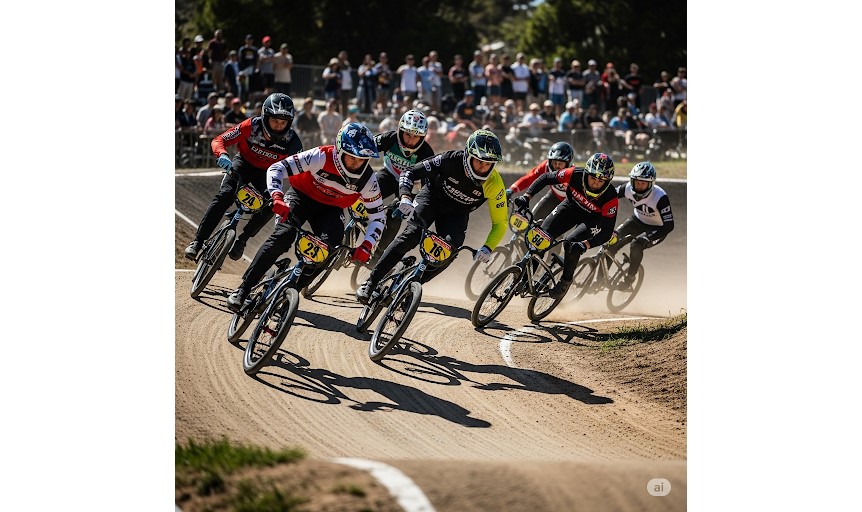
In racing, riders compete on a dirt track with jumps, banked turns, and obstacles. Races typically have eight riders. They line up at a starting gate. When the gate drops, the race begins.
The objective is simple: finish first. However, rules govern bike specifications and rider conduct. Bikes must meet weight and size requirements. Helmets and protective gear are mandatory.
Riders cannot intentionally block or crash into others. Violations result in disqualification. False starts also lead to penalties. Each race lasts under one minute, requiring explosive speed and control.
Freestyle BMX differs significantly. It includes park, street, dirt, and flatland disciplines. Riders perform tricks judged by a panel. Criteria include difficulty, originality, flow, and execution.
In park events, riders use ramps, bowls, and rails. They string together runs of tricks within a set time. Street events mimic urban settings. Riders perform on ledges, stairs, and rails.
Dirt events involve jumps over mounds of soil. Flatland takes place on smooth surfaces. Riders perform balance-based tricks without ramps.
Time limits range from 45 seconds to 1 minute. Judges assign scores, and the highest total wins. Safety gear is essential. Helmets, knee pads, and gloves are common.
Unsportsmanlike conduct leads to deductions or disqualification. Riders must follow competition rules closely. Judges may request reruns if conditions interfere.
Organizers follow UCI regulations. These ensure fairness and consistency worldwide.
Conclusion
BMX has come a long way from dusty Californian trails. It now enjoys global acclaim across youth, amateur, and professional levels. The sport unites communities, breaks social barriers, and promotes healthy living. From the Olympics to neighborhood tracks, it continues to inspire.
The sport’s accessibility and creative potential make it a standout in the modern era. Riders push boundaries while embracing discipline and teamwork. Governments, schools, and organizations recognize its value.
Whether you’re a spectator or a participant, the world of BMX offers excitement, unity, and limitless potential. Now is the perfect time to embrace the ride.