BMX Best Trick: A Deep Dive into the Thrill of Extreme Precision
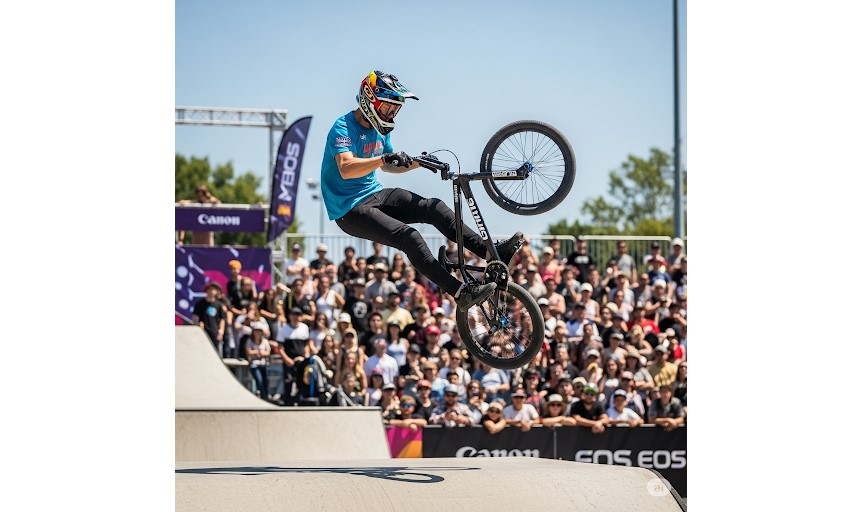
BMX Best Trick is one of the most electrifying disciplines in action sports. It draws in both seasoned professionals and daring amateurs alike. This gravity-defying event showcases riders at their peak, delivering jaw-dropping stunts in high-pressure moments. Over time, BMX Best Trick has carved its niche globally, evolving from street culture into a world-renowned spectacle. In this blog post, we will explore the sport’s history, global popularity, grassroots development, professional leagues, social significance, and core rules. With every spin, whip, and flip, BMX Best Trick continues to inspire audiences and shape extreme sports culture.
The Origin and History of BMX Best Trick
BMX originated in the late 1960s in Southern California. Young cyclists mimicked motocross racers, riding on dirt tracks with modified bicycles. From this trend, Bicycle Motocross (BMX) was born. Initially, the focus was on racing. However, in the 1980s, riders began experimenting with tricks.
Freestyle BMX emerged as riders ventured into skate parks and urban environments. They performed jumps, flips, and spins on ramps and flat surfaces. The Best Trick format appeared as a specialized event within freestyle BMX. It emphasized one incredible trick, judged on difficulty, execution, and style.
By the 1990s, extreme sports gained mainstream exposure. ESPN’s X Games provided a global platform for freestyle BMX. Riders like Dave Mirra and Mat Hoffman became household names. Best Trick competitions gained prominence, often serving as highlight events. These moments pushed the sport’s limits.
In the 2000s, technology and bike design evolved. Lightweight frames and specialized parts allowed riders to attempt more complex tricks. The sport grew rapidly, attracting global talent and media attention. BMX Best Trick, as a standalone event, became a thrilling mainstay at international competitions.
The Global Popularity of BMX Best Trick
BMX Best Trick enjoys a passionate following across continents. From North America to Asia, the sport unites riders with a shared love for creativity and risk. It flourishes in urban centers and skate parks worldwide.
In the United States, the sport thrives through a mix of private parks, public facilities, and school programs. Events like the X Games and Dew Tour remain central to American BMX culture. In Canada, strong community support and government funding help grow the sport.
In Europe, countries like the United Kingdom, France, and Germany host major BMX events. Cities such as Paris and Berlin boast world-class skate parks. European athletes regularly compete at international levels, bringing unique styles and techniques.
Australia has embraced BMX Best Trick with enthusiasm. The country invests in youth programs and produces top-tier talent. Logan Martin, a celebrated rider, hails from Australia and exemplifies this success.
Asian nations, especially Japan and China, have rapidly caught up. With Olympic inclusion since 2020, BMX disciplines have received more attention. Government support and corporate sponsorships have enhanced infrastructure and participation.
Latin American countries like Brazil and Colombia showcase vibrant BMX scenes. Riders often practice in DIY parks, fueled by community and passion. The sport serves as a creative outlet and a vehicle for change.
Amateur BMX Best Trick: Youth and School Programs
Amateur BMX Best Trick provides a foundation for young athletes. It begins with basic bike handling and advances to complex tricks. Schools and community centers play a vital role in fostering interest.
Many after-school programs introduce kids to BMX. They teach safety, control, and fundamental tricks. Programs like USA BMX Foundation promote STEM education through BMX, blending academics with physical activity.
Local skate parks serve as practice grounds. These spaces offer ramps and rails, enabling skill progression. Instructors and mentors often guide beginners, creating a supportive environment.
Youth competitions encourage participation and growth. These events include age-specific categories and emphasize fun and sportsmanship. Riders gain confidence and recognition through these grassroots tournaments.
In Europe, BMX is included in many municipal sports programs. The UK’s British Cycling Foundation supports junior BMX riders. France’s FFC (Fédération Française de Cyclisme) hosts national youth events that include Best Trick categories.
Australia’s Ride Nation initiative targets schools and community groups. It introduces young people to BMX through structured lessons and competitions. The program aims to create lifelong cyclists and potential future champions.
In developing nations, NGOs and community leaders spearhead initiatives. These efforts often focus on youth empowerment and crime prevention. BMX provides purpose and a positive outlet for energy.
Professional Leagues and Events for BMX Best Trick
Professional BMX Best Trick events captivate global audiences. These competitions attract elite riders who redefine what is possible on two wheels. Multiple leagues and competitions now showcase the sport’s best talent.
The X Games remains a cornerstone. Held annually, it features BMX Best Trick as a marquee event. Riders unveil new tricks in dramatic fashion, aiming for gold and global recognition.
Simple Session, held in Estonia, is a top-tier event. It brings together the world’s best in freestyle BMX. The Best Trick contest is often the highlight, featuring boundary-pushing performances.
FISE (Festival International des Sports Extrêmes) is another major platform. Based in France, it tours globally, including stops in Asia and North America. Its BMX Best Trick segment draws massive crowds.
The UCI (Union Cycliste Internationale) governs BMX freestyle at the international level. It oversees the World Championships and Olympic qualifiers. BMX Best Trick may be included as a special event at select competitions.
Other notable events include the Nitro World Games and the Vans BMX Pro Cup. These contests provide ample prize money and media exposure. Riders earn sponsorships and grow their personal brands through such platforms.
Social media also plays a huge role. Professionals often gain fame by posting Best Trick clips online. Viral moments help shape reputations and expand the sport’s reach.
The Political and Social Significance of BMX Best Trick
BMX Best Trick extends beyond entertainment. It holds political and social relevance in many communities. Governments and institutions recognize its potential for outreach and engagement.
Urban planning increasingly includes BMX parks. These facilities offer youth a constructive space for expression. They reduce loitering and promote physical activity.
In marginalized neighborhoods, BMX provides alternatives to crime. Programs in cities like Detroit, Johannesburg, and Rio de Janeiro use BMX to foster community and discipline. Riders often mentor others, building networks of support.
BMX also promotes gender inclusivity. More female riders now participate in Best Trick events. Organizations support women through workshops, scholarships, and media coverage.
Culturally, BMX fosters identity and resilience. Riders develop discipline, confidence, and creativity. These traits benefit them in broader life contexts.
From a political standpoint, the sport drives infrastructure investment. Local governments fund parks and events to boost tourism and youth engagement. Public-private partnerships ensure long-term sustainability.
Internationally, BMX acts as a diplomatic tool. Countries showcase talent at global events, enhancing soft power and national pride.
The Rules of BMX Best Trick
BMX Best Trick competitions focus on a single standout performance. Judges score riders based on difficulty, execution, originality, and style.
Each rider typically receives one or two attempts. The best score determines the final ranking. Riders may choose any trick and any setup within the course.
Judges consider the risk factor. Higher difficulty can yield higher scores if executed cleanly. Sloppy landings or incomplete rotations reduce points.
Creativity is key. Riders who invent or modify tricks gain an edge. Judges reward innovation alongside technical skill.
Style matters. Smooth landings, control, and flair improve scores. The trick must appear intentional and confident.
Safety gear is mandatory. Helmets are required, and many riders wear pads. Events may impose specific regulations based on venue and level.
Timing varies. Some contests impose time limits for attempts. Others allow open sessions with rider-selected turns.
Riders must respect others during the event. Interference or unsportsmanlike conduct can lead to disqualification.
Courses vary. Urban setups, halfpipes, and custom ramps may be used. The layout impacts trick selection and difficulty.
Live audiences and judges create pressure. Riders must perform under intense scrutiny. Mental strength is as vital as physical ability.
Conclusion
BMX Best Trick combines athleticism, creativity, and courage in a spectacular display. It has grown from humble origins to global acclaim. Riders of all ages now train and compete in this thrilling sport.
Across continents, the culture of BMX Best Trick thrives. Amateur programs nurture talent, while professional leagues showcase peak performance. The sport impacts society, politics, and youth empowerment in meaningful ways.
With clear rules and a supportive global community, BMX Best Trick continues to evolve. It pushes boundaries and inspires the next generation. Whether in a local skate park or on an Olympic stage, the sport remains unforgettable.
Keep watching this space—BMX Best Trick is only getting started.