BMX Big Air: The High-Flying World of Extreme Cycling
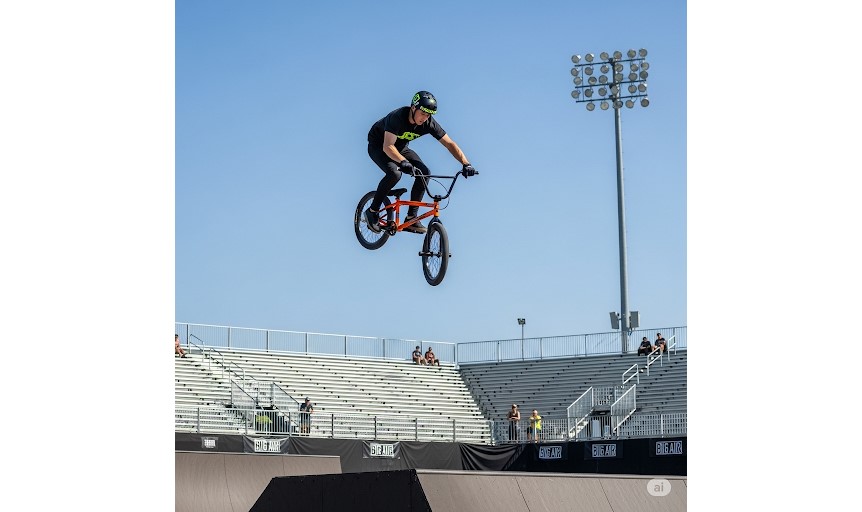
BMX Big Air stands as one of the most thrilling and visually stunning sports on the planet. Riders launch into the air from towering ramps, soaring high above the crowd. They perform gravity-defying tricks while traveling at incredible speeds. The sport is a heart-pounding combination of athleticism, precision, and creativity. Over the past two decades, BMX Big Air has earned global recognition. This blog explores its origins, rules, amateur scene, global popularity, professional leagues, and broader significance.
The Origins and Evolution of BMX Big Air
The roots of BMX Big Air trace back to the 1970s when BMX racing first gained momentum in Southern California. Young riders began mimicking motocross races on their bicycles. These early BMX riders used dirt tracks and homemade jumps.
By the 1980s, freestyle BMX became a dominant force in the sport. Riders began using ramps and skateparks to showcase tricks. As the sport evolved, athletes started pushing the limits of height and complexity.
In the early 2000s, the idea of BMX Big Air began to take shape. MegaRamp creator Danny Way had already introduced Big Air to skateboarding. Freestyle BMX riders soon adopted the same concept. They started using massive roll-ins leading to giant ramps and huge gaps.
The first official BMX Big Air competition occurred at the X Games in 2001. The format involved a roll-in, a gap jump, and a quarter pipe. This allowed riders to perform two massive tricks in one run. Since then, BMX Big Air has remained a crowd favorite at major events like the X Games and Nitro World Games.
The Global Popularity of BMX Big Air
BMX Big Air has rapidly gained fans worldwide. In North America, it features in top-tier events such as the X Games and Dew Tour. These events draw huge television audiences and streaming viewers.
Europe has embraced the sport, especially in the United Kingdom, France, and Germany. Major events in these countries attract thousands of spectators. Riders like Sebastian Keep and Alex Coleborn have helped boost the sport’s profile.
Australia has also become a BMX Big Air hotspot. Riders such as Ryan Williams have brought international attention to the region. Major cities like Sydney and Melbourne host annual freestyle BMX events.
In Latin America, countries like Brazil and Mexico have invested in skateparks and training facilities. Young riders train year-round in cities such as São Paulo. Government support and grassroots programs have helped develop local talent.
Asia has begun developing a BMX culture, particularly in Japan and China. Japanese rider Rim Nakamura has gained global recognition. His success has inspired a new generation of athletes.
Africa is slowly entering the BMX scene. South Africa, in particular, is emerging as a regional leader. Events held in Cape Town and Johannesburg have started attracting international attention.
Amateur and Youth BMX Big Air Development
Amateur BMX Big Air is growing quickly, thanks to better access to facilities and training programs. Many cities now feature public skateparks with safe ramps for beginner riders.
Youth programs teach the fundamentals of freestyle BMX, including balance, control, and safety. These programs often lead to regional amateur competitions. In the United States, organizations like USA BMX offer development pathways for young athletes.
Schools are slowly integrating BMX into their physical education programs. Specialized sports academies provide BMX-focused curriculums. These institutions exist in countries like Australia and the UK.
In Europe, clubs and youth camps offer BMX Big Air training throughout the year. France and Germany have well-established youth leagues. These clubs often serve as feeders to national teams.
Latin American countries are investing in community programs. These initiatives help keep youth engaged and provide positive outlets. Riders from lower-income backgrounds often use BMX to escape difficult circumstances.
Online platforms and social media play a crucial role in the amateur scene. Riders share videos, tutorials, and training tips. This connectivity helps elevate the overall skill level across the globe.
Professional Leagues and Major Competitions
BMX Big Air has an established presence in professional extreme sports circuits. The X Games remains the sport’s most prestigious event. It showcases top athletes and reaches millions of viewers.
The Nitro World Games is another prominent competition. It features high-stakes events and innovative ramp designs. Riders compete for large cash prizes and sponsorship opportunities.
FISE (Festival International des Sports Extrêmes) hosts events across Europe and Asia. It includes BMX Big Air among other disciplines. These festivals attract global competitors and fans.
Simple Session in Estonia is another key event. Though originally focused on street and park BMX, it now includes Big Air. The event has grown in size and reputation each year.
Professional riders often sign contracts with sponsors. These deals include travel budgets, salaries, and media appearances. Companies like Red Bull, Monster Energy, and Vans support top athletes.
The UCI (Union Cycliste Internationale) has taken steps to incorporate freestyle BMX events. Although BMX Big Air is not yet an Olympic sport, it could be in the future. The inclusion of freestyle BMX in the 2020 Olympics marked a significant milestone.
Social and Political Impact of BMX Big Air
BMX Big Air carries deep cultural and social significance. It represents freedom, creativity, and self-expression. For many young people, it offers an escape from social or economic challenges.
In urban communities, BMX Big Air can reduce crime and promote healthy lifestyles. Local governments recognize its potential and build public skateparks. These investments create safe spaces for youth.
The sport also promotes gender equality. More female riders are entering the scene each year. Competitions now include women’s divisions with equal prize money in some cases.
Politically, BMX Big Air reflects broader issues around urban development. Activists often fight for more public space dedicated to action sports. These campaigns highlight the need for youth-centric infrastructure.
The sport has also been used in diplomacy. Cultural exchange programs feature BMX as a tool for youth engagement. Riders travel globally to share skills and inspire communities.
Social media gives riders a global voice. Many use their platforms to advocate for social change. Issues like mental health, education, and climate awareness feature in rider content.
Rules and Format of BMX Big Air
BMX Big Air competitions follow a set format. Riders drop into a steep roll-in ramp. They then launch over a large gap jump, sometimes 50-70 feet long.
After clearing the gap, riders transition into a quarter pipe. They perform a second trick off the quarter pipe before landing. Judges score the run based on difficulty, execution, and style.
Each rider typically gets multiple attempts. Only the best score counts toward their final ranking. Falls and incomplete tricks result in lower scores.
Safety gear is mandatory. Riders must wear helmets, gloves, and pads. Some events require full-face helmets and body armor.
The competition structure varies by event. Some use a knockout format, while others have qualification rounds. Finals often feature the top eight or ten riders.
Trick originality and amplitude are crucial scoring factors. Judges look for creative combinations and clean landings. Repeating tricks or playing it safe usually results in lower marks.
Timing and flow between tricks also matter. A smooth transition from the gap to the quarter pipe can influence the final score. Riders must balance risk and consistency.
Event organizers build custom ramps for each competition. These ramps vary slightly in size and angle. Riders must adapt quickly to different setups.
Conclusion: The Future of BMX Big Air
BMX Big Air has evolved into one of the most captivating extreme sports worldwide. Its combination of speed, height, and technical prowess attracts fans from all walks of life.
The sport continues to expand through youth programs, international competitions, and digital platforms. Amateur and professional riders push the boundaries each year.
As more countries embrace BMX Big Air, new talents emerge and raise the bar. Global participation helps grow the sport beyond traditional strongholds.
Politically and socially, BMX Big Air has a powerful voice. It bridges communities, inspires youth, and encourages positive change. The future looks bright for this dynamic and impactful sport.
With its thrilling format and growing influence, BMX Big Air is more than just a spectacle. It is a global movement grounded in passion, skill, and fearless ambition.