
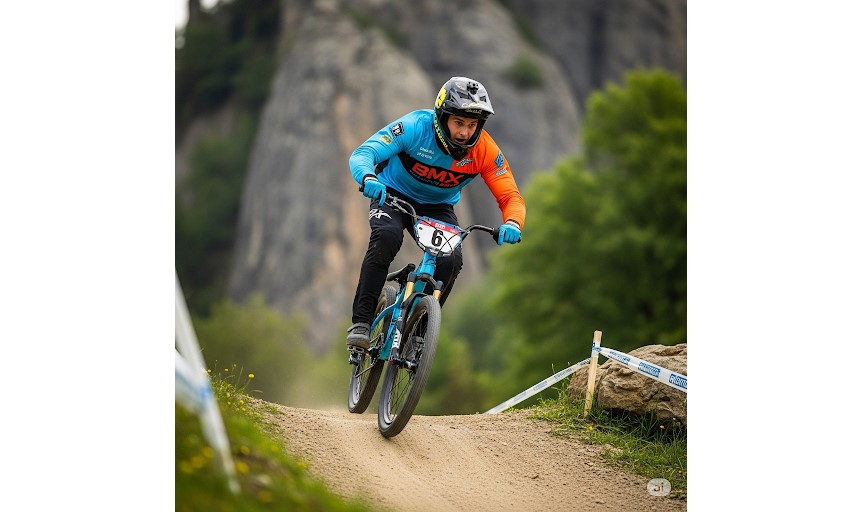
BMX Downhill: A Thrilling Journey Through History, Culture, and Competition
BMX Downhill is a fast-paced and adrenaline-charged sport. It has captivated riders and fans around the world. This exciting form of BMX involves racing down steep, rough terrain with jumps, berms, and high-speed corners. Its intensity and spectacle have grown its fan base over time. BMX Downhill blends athleticism, precision, and courage into a dynamic and evolving sport. In this blog, we’ll explore the history, global appeal, amateur scene, professional leagues, social significance, and rules of BMX Downhill.
The Origins and History
BMX, or Bicycle Motocross, originated in the late 1960s in Southern California. Inspired by motocross, kids started riding their bicycles off-road and performing stunts. The popularity of motocross on TV led to an explosion of interest in bicycle versions.
By the early 1970s, BMX racing had become organized. Riders competed on dirt tracks with jumps and turns. These races took place on relatively flat terrain. However, thrill-seekers soon looked for more intense challenges.
BMX Downhill emerged from this desire for speed and elevation. Riders took their skills to natural slopes, mountains, and rugged trails. This new style demanded better bikes, more skill, and greater daring. Over time, tracks were built specifically for downhill BMX. These included steep descents, technical turns, and large jumps.
By the 1980s, BMX Downhill had become distinct from other BMX forms. It gained its own identity, separate from freestyle or flat-track BMX. The introduction of mountain bikes influenced equipment, but BMX Downhill kept its unique style. Riders preferred smaller, more agile bikes that allowed greater maneuverability.
In the 1990s, BMX Downhill gained more recognition. Events like the X Games brought the sport to a larger audience. With better media coverage, sponsorships followed. The sport entered the mainstream and began expanding across continents.
Today, BMX Downhill is recognized globally. It has inspired countless riders to push their limits on challenging tracks around the world.
Global Popularity
BMX Downhill enjoys a vibrant global community. It thrives in regions with access to hills, mountains, and rugged outdoor terrain. North America remains a stronghold of the sport. The United States and Canada host numerous events throughout the year.
Europe has embraced BMX Downhill with enthusiasm. Countries like France, the United Kingdom, Germany, and Switzerland boast excellent tracks. Riders from these nations regularly compete at the international level.
Australia and New Zealand are also key players. Their varied landscapes provide perfect settings for downhill racing. Riders in these countries are known for their skill and aggressive style.
In South America, Brazil and Colombia have growing BMX scenes. Investment in youth programs and national competitions has increased participation. The terrain in many parts of South America supports the growth of BMX Downhill.
Asia is seeing rapid growth as well. Japan, China, and Thailand are developing strong BMX cultures. Urban youth are turning to BMX for both sport and expression. Events are becoming more common, supported by growing infrastructure.
Africa’s involvement is growing more slowly, but key countries are making strides. South Africa, Kenya, and Morocco are seeing investment in action sports. BMX Downhill is gaining a foothold, especially in urban and mountainous areas.
Online platforms have helped the sport grow further. Social media, YouTube, and streaming services showcase competitions and tutorials. Aspiring riders get inspired and connected through digital communities.
Amateur BMX Downhill: Youth and School Involvement
Amateur BMX Downhill is the foundation of the sport. Many riders start young, introduced through school programs or community events. In the United States, organizations like USA BMX support youth racing. They create age-specific categories and maintain local tracks for beginners.
Schools in Europe are incorporating BMX Downhill into physical education. France and the UK have particularly strong school cycling programs. Local clubs often partner with schools to train kids and organize races.
Australia offers junior development programs in BMX. State-level competitions serve as a stepping stone to national events. Young riders receive coaching, safety training, and mentorship from experienced athletes.
In South America, school initiatives are gaining traction. Colombia leads the way, using cycling as a tool for youth empowerment. Bike clubs are often linked with schools in rural and urban areas.
Asian countries are starting to invest in youth development too. Japan and China run cycling programs supported by their sports ministries. Schools organize weekend bike events, encouraging kids to explore BMX Downhill.
Parents play a crucial role in amateur BMX. They provide support, transport, and emotional encouragement. Communities often form around BMX clubs. These groups create a family-like atmosphere that promotes inclusivity and friendship.
Equipment for youth riders has improved dramatically. Lightweight bikes, tailored gear, and beginner-friendly tracks help kids learn safely. Many races offer novice divisions for those new to the sport.
Professional BMX Downhill Leagues and Events
At the professional level, BMX Downhill features intense competition and global recognition. Events are often televised and sponsored by major brands.
The UCI (Union Cycliste Internationale) oversees many top BMX events. While BMX Downhill is not a dedicated Olympic category, it appears in major cycling festivals. The UCI Mountain Bike World Cup includes events with BMX-style downhill formats.
Red Bull sponsors some of the biggest downhill events worldwide. The Red Bull Pump Track World Championship blends elements of BMX and downhill racing. It draws elite riders from multiple disciplines.
In the United States, the Sea Otter Classic includes high-profile BMX Downhill races. It attracts riders from all over the world. This event combines festival vibes with serious competition.
Europe hosts a wide array of competitions. The European Downhill Cup includes categories for BMX-style riders. France and Switzerland have dedicated BMX Downhill events with large audiences.
Australia’s Crankworx Rotorua is a standout. It features downhill BMX as part of a larger action sports festival. Top professionals attend to compete and showcase their skills.
Sponsorship plays a major role in professional BMX. Riders work with bike manufacturers, apparel brands, and energy drink companies. These partnerships fund travel, gear, and training.
Social media has become essential for pro riders. Platforms like Instagram and TikTok help athletes build personal brands. Riders often release training videos, race recaps, and behind-the-scenes content.
Prize money varies by event. Larger competitions offer significant rewards, attracting international talent. Rankings and trophies also drive prestige and career growth.
Social and Political Significance of BMX Downhill
BMX Downhill holds more than just entertainment value. It influences social and political conversations worldwide.
In urban settings, BMX provides an outlet for youth. It keeps kids engaged in physical activity and away from harmful influences. Cities with BMX parks and tracks see improved youth behavior and community cohesion.
The sport encourages diversity and inclusion. Riders from various backgrounds find common ground on the track. BMX Downhill breaks social barriers, uniting people through shared passion.
Political leaders have started recognizing its potential. Governments are funding BMX facilities to promote health and wellness. Some regions use BMX as a tool for tourism development. Events attract visitors, boost local economies, and showcase regional culture.
NGOs use BMX to engage marginalized youth. Programs in Africa and South America connect riding with education and life skills. These efforts provide structure and opportunities for at-risk youth.
Gender equality is another area where BMX makes a difference. Female participation is growing steadily. Events now offer equal prize money and media coverage for women.
BMX Downhill also promotes environmental awareness. Many riders advocate for trail preservation and sustainable biking practices. This connection to nature fosters respect for the environment among fans and athletes alike.
Social media campaigns highlight these positive impacts. Videos and stories of transformation inspire viewers globally. They show how sport can change lives and uplift communities.
Rules of BMX Downhill
The rules focus on safety, fairness, and performance. Riders must follow specific guidelines during races.
Courses are designed with steep descents, jumps, and turns. Riders navigate from the top of the hill to the bottom in the fastest time. Each competitor races individually against the clock.
Helmets and protective gear are mandatory. Most riders wear full-face helmets, gloves, goggles, elbow and knee pads, and body armor. Safety is a top priority for organizers and participants.
Bikes must meet strict specifications. They are usually single-speed with strong frames and responsive suspension. Tires need sufficient grip for loose surfaces and sharp turns.
Races begin with a gate drop or timed release. Riders descend a marked path without straying from the course. Crossing boundaries or skipping features can lead to penalties or disqualification.
Time is the primary measure of success. The fastest rider wins the event. Some competitions include multiple rounds or stages. Others use heats followed by a final run.
Judges monitor rider conduct. Unsportsmanlike behavior or dangerous riding can result in penalties. Respect for competitors is emphasized throughout the event.
Age and skill divisions ensure fair competition. Riders are grouped by experience level to encourage safety and progression. Youth, amateur, and pro divisions exist in most events.
Weather conditions can affect race formats. Organizers may delay or cancel events due to rain or poor visibility. Safety remains the top concern at all times.
Organized BMX Downhill races are governed by local or international rulesets. These vary slightly between regions but share core principles.
Conclusion
BMX Downhill stands as a powerful blend of speed, skill, and culture. Its roots in the counterculture of California evolved into a global movement. From kids riding in parks to pros racing down mountains, the sport continues to grow.
Its presence spans continents and bridges communities. BMX Downhill empowers youth, challenges athletes, and inspires fans. Amateur scenes nurture the next generation. Professional leagues showcase the sport’s peak performance.
Its social impact cannot be overlooked. It brings people together, breaks barriers, and creates opportunities. Whether in a schoolyard or a mountain trail, its influence is profound.
Understanding its rules, history, and reach helps appreciate the sport fully. For riders and fans alike, BMX Downhill represents more than a race. It is a lifestyle, a community, and a force for positive change.