BMX Freestyle: A Thrilling Ride Through Culture, Competition, and Community
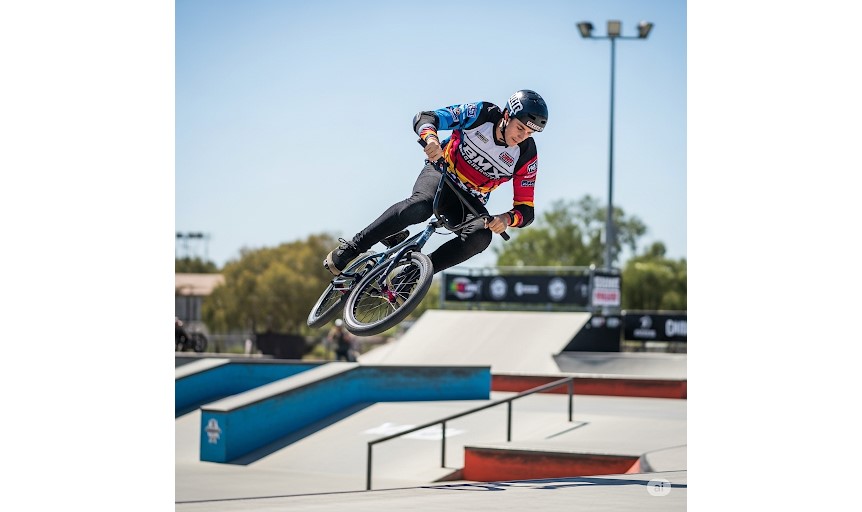
BMX Freestyle is an adrenaline-packed sport that blends athleticism, creativity, and urban culture. Riders perform tricks using a BMX bike in skateparks, street spots, dirt jumps, or flatland arenas. The sport has captivated a global audience and continues to grow in popularity. BMX Freestyle offers more than tricks and airtime; it reflects a vibrant lifestyle. Athletes young and old find inspiration, community, and even a voice through this dynamic sport. The journey of BMX Freestyle from fringe activity to Olympic event is both compelling and significant.
The Origins of BMX Freestyle
It originated in the late 1970s in Southern California. Riders began imitating motocross stunts on modified bicycles. These early innovators used empty pools, dirt tracks, and homemade ramps. What began as playful imitation quickly became a unique discipline.
By the early 1980s, BMX manufacturers started producing specialized bikes. These new bikes included pegs for tricks and reinforced frames. Riders developed their own unique style, setting the groundwork for organized competitions.
Bob Haro, a pioneer in the sport, was instrumental in its development. He showcased innovative tricks and designed specialized equipment. Haro’s influence elevated BMX Freestyle into a respected subculture.
Evolution and Historical Milestones
During the 1980s, BMX Freestyle gained mainstream attention. Magazines like BMX Plus! and Freestylin’ spread the culture. Televised events like the ESPN X Games brought the sport to living rooms across America.
As competitions became more frequent, formal disciplines emerged. These included street, park, vert, dirt, and flatland. Each discipline encouraged unique skill sets and riding styles.
In the 1990s, freestyle events expanded internationally. Riders from Europe, Australia, and Asia joined the scene. Global competitions attracted diverse talent and heightened the sport’s visibility.
A landmark moment came in 2017. The International Olympic Committee announced the inclusion of BMX Freestyle in the 2020 Tokyo Olympics. This decision marked a new era of recognition and legitimacy.
BMX Freestyle Around the World
BMX Freestyle is no longer confined to the United States. The sport has a strong following in countries like Australia, Japan, the UK, France, and Brazil.
Australia has produced top-tier riders and hosts major events like the Vans BMX Pro Cup. Japan’s urban landscape has inspired a creative flatland scene. British riders dominate international contests, supported by world-class facilities.
In Brazil, BMX Freestyle thrives in both city parks and favelas. The sport offers young people an alternative to street violence. Riders often train in makeshift parks, showcasing resilience and creativity.
France has invested in public skateparks, promoting freestyle riding among youth. Many French riders compete in major European circuits. These facilities allow riders to practice year-round, regardless of weather conditions.
Amateur BMX Freestyle: Youth and School Programs
Grassroots programs have become essential in growing the sport. Many schools and community centers now offer BMX Freestyle training for youth.
In the United States, nonprofit organizations host after-school programs and summer camps. These programs teach basic riding skills and promote physical fitness.
In Europe, local governments sponsor freestyle clinics. These events encourage kids to ride in a safe and structured environment. The UK’s National Schools Cycling Association includes BMX in its curriculum.
Japan has youth leagues where riders start training at an early age. Coaches emphasize balance, control, and creativity. These leagues often feed into regional and national competitions.
Australia’s BMX Freestyle Academy offers structured pathways from beginner to elite. Kids learn in progressive stages, fostering both skill and confidence. The academy also collaborates with schools and sport authorities.
Professional BMX Freestyle Leagues and Competitions
Several high-profile leagues have elevated BMX Freestyle to a global stage. The most recognized include the X Games, UCI BMX Freestyle World Cup, and the FISE World Series.
The X Games has been a crucial platform since the 1990s. It features top athletes performing in front of millions. Riders compete in disciplines like Park, Vert, and Big Air.
The UCI BMX Freestyle World Cup offers ranking points for Olympic qualification. Events are hosted in cities like Montpellier, Chengdu, and Hiroshima. Riders accumulate points through consistent performance.
FISE (Festival International des Sports Extremes) is another global powerhouse. Held annually, it includes events across Europe, Asia, and the Americas. The FISE circuit attracts top talent and massive crowds.
Other notable events include the Simple Session in Estonia and the Battle of Hastings in the UK. These competitions combine high-level action with unique formats.
The Social and Political Significance
BMX Freestyle goes beyond sport; it impacts society and politics. In urban communities, the sport serves as an outlet for self-expression. It fosters creativity and personal growth.
Programs in underprivileged areas provide bikes and gear to young riders. These initiatives reduce crime and promote positive behavior. Riders gain life skills, such as discipline, perseverance, and teamwork.
The sport also plays a role in urban planning. Cities build skateparks and pump tracks to support freestyle communities. These facilities become social hubs for youth.
Politically, BMX Freestyle has gained recognition through Olympic inclusion. National federations now fund athlete development. Governments acknowledge the sport’s value in promoting youth engagement.
Social media amplifies the voices of BMX riders. Platforms like Instagram and YouTube allow riders to share their journeys. This visibility helps challenge stereotypes and build inclusive communities.
Rules and Structure of BMX Freestyle
Competitions follow structured rules. Riders perform in timed runs, usually lasting 60 to 90 seconds. Judges score based on difficulty, style, execution, and originality.
Each discipline has its own format:
- Park: Riders use ramps and bowls in a skatepark setting.
- Street: Obstacles mimic urban environments—rails, stairs, and ledges.
- Vert: Riders launch off a vertical halfpipe to perform aerial tricks.
- Dirt: Competitors ride over a series of dirt jumps.
- Flatland: Tricks are performed on a smooth, flat surface without ramps.
Points are awarded by a panel of judges. The highest and lowest scores are often discarded. The remaining scores are averaged for the final tally.
In the Olympics and UCI events, there are two runs per rider. The best score counts. Riders must wear helmets and protective gear. Bikes must meet safety regulations.
Infractions include leaving the course, crashing, or performing illegal maneuvers. Penalties can affect a rider’s score or lead to disqualification.
Conclusion: The Future of BMX Freestyle
BMX Freestyle has evolved from backyards to the global stage. It unites creativity, athleticism, and culture in an electrifying blend. The sport empowers youth, reshapes communities, and fosters international unity.
More than just tricks on two wheels, it symbolizes freedom and resilience. As governments, schools, and organizations invest more, the sport’s future shines bright.
From amateur leagues to Olympic gold, BMX Freestyle continues to inspire. Its story is far from over. Riders around the world will keep pushing limits and breaking barriers.
Let the ride continue.