
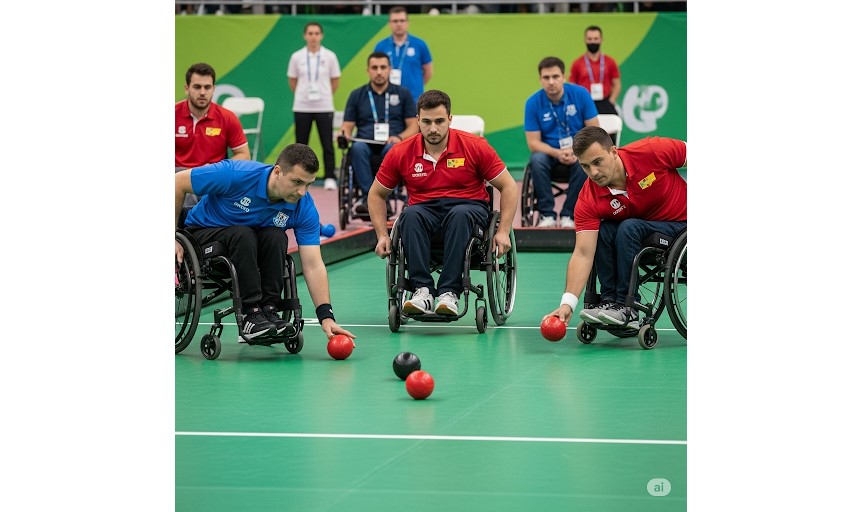
Boccia: The Inclusive Sport Changing the Game Worldwide
Boccia is a precision ball sport that combines strategy, skill, and inclusion. It was designed specifically for athletes with physical disabilities. Today, it stands as one of the most inclusive sports in the world. Boccia offers opportunities for youth, amateurs, and professionals alike. As the sport gains popularity across the globe, its social and political impact continues to grow.
The Origins and Historical Development of Boccia
The origins of Boccia trace back to ancient Greece. Similar ball games existed in early societies, emphasizing accuracy and strategy. However, the modern version of the sport began in the 1970s. It was created for individuals with cerebral palsy and other motor skill impairments.
In 1984, Boccia was introduced to the Paralympic Games. That marked a significant turning point. From that moment, the sport started to gain global attention. Originally, only athletes with cerebral palsy participated. Over time, the sport expanded to include players with other severe physical disabilities.
The governing body, Boccia International Sports Federation (BISFed), was founded in 2013. BISFed standardized rules and promoted the sport globally. Since then, Boccia has seen increased recognition and support.
Global Popularity and International Reach
Today, Boccia is played in over 75 countries. The sport has particularly strong followings in Europe, Asia, and South America. Nations like Brazil, Japan, and the United Kingdom have become powerhouses. These countries host national championships and support development programs.
Europe leads the way with a well-organized competitive structure. The European Boccia Championships attract top talent. In Asia, countries such as South Korea and China invest in training facilities and youth initiatives. Brazil remains a leader in South America, with Boccia deeply embedded in its Paralympic culture.
Despite being lesser-known than mainstream sports, Boccia continues to expand. Social media campaigns, live-streamed matches, and international tournaments boost visibility. As a result, more nations are investing in Boccia infrastructure and training programs.
Amateur Boccia: Grassroots and Youth Involvement
Amateur Boccia is thriving. Schools, community centers, and local clubs offer programs for all ages. These programs help introduce the sport at an early age. Many countries incorporate Boccia into physical education curricula.
In the United Kingdom, Boccia England oversees school and amateur programs. Their “Boccia School Games” initiative encourages participation among students. Canada also supports youth development with nationwide Boccia camps and competitions.
Youth engagement is critical. Early exposure leads to better skill development and increased confidence. Boccia also provides a sense of belonging. Participants develop teamwork, communication, and resilience.
Local tournaments offer a stepping stone. Young players can showcase talent and potentially progress to higher levels. Accessibility remains key. Equipment is often provided, and coaching is adapted to individual needs.
Professional Leagues and Elite Competition
At the elite level, Boccia is highly competitive. Professional athletes train year-round. They participate in regional and international leagues. BISFed governs most major events, including World Opens, Regional Championships, and the World Championships.
Athletes are classified into four categories based on ability: BC1, BC2, BC3, and BC4. This classification ensures fair competition. Each class has unique rules and equipment adaptations.
Top nations like South Korea, Brazil, and the UK dominate professional Boccia. These countries fund elite programs, offer scholarships, and provide expert coaching. Athletes compete not just for medals but also for world rankings.
The Paralympic Games represent the pinnacle. Qualification is rigorous, and competition is fierce. The event draws global audiences and inspires future generations. Many athletes use their platform to advocate for disability rights and sports inclusion.
Social and Political Significance of Boccia
Boccia holds profound social and political value. It challenges stereotypes and promotes equality. By offering competitive opportunities to people with disabilities, the sport highlights capabilities, not limitations.
Governments and NGOs recognize Boccia’s role in inclusion. Many support programs that use the sport to drive social change. For example, Boccia helps combat isolation. It fosters community among participants and their families.
Politically, Boccia contributes to the global disability rights movement. Events often coincide with awareness campaigns and policy discussions. The visibility of Boccia athletes influences public opinion and legislation.
Additionally, Boccia demonstrates the importance of accessibility in sports. Facilities, coaching, and media coverage must be inclusive. This pushes broader societal change beyond athletics.
Rules and Gameplay Explained
Boccia is played on a flat, smooth surface measuring 12.5 meters by 6 meters. Each match consists of individual, pairs, or team formats. Players aim to throw or roll colored balls as close as possible to a white target ball called the “jack.”
Each side has six balls—either red or blue. A coin toss determines which side uses each color. The side playing red throws the jack to start the first end (round).
Players alternate turns, trying to get their balls closer to the jack than their opponent. After all balls are played, points are awarded. A point is scored for every ball closer to the jack than the opponent’s nearest ball.
Matches consist of four ends for individual and pairs formats. Teams play six ends. The player or team with the highest score at the end wins the match.
The game emphasizes precision, tactics, and consistency. Athletes must read the court, predict outcomes, and adapt strategies. Some players use assistive devices, especially in the BC3 classification. These devices include ramps, which allow players to propel the ball.
Time limits apply. Players must complete their turns within a set period. This keeps the game dynamic and fair.
Equipment and Accessibility Features
Boccia uses soft leather balls filled with plastic pellets. Each set has six red and six blue balls, plus one white jack. Balls must meet strict weight and size regulations.
Court markings define player boxes, throwing areas, and the target zone. The layout ensures clear boundaries and fairness.
For players with limited mobility, assistive devices are permitted. These include ramps and head pointers. A sport assistant, also known as a “ramper,” may help position the ramp but cannot look at the court or communicate during play.
All equipment must comply with BISFed standards. This maintains uniformity across competitions. Innovations continue to enhance accessibility while preserving the sport’s integrity.
Training and Coaching in Boccia
Training focuses on technique, strategy, and physical conditioning. Players practice ball placement, angle analysis, and timing. Elite athletes train daily, often with multidisciplinary teams.
Coaching includes technical instruction and mental preparation. Visualization, focus, and emotional control are crucial. Coaches tailor sessions to each athlete’s abilities and classification.
Video analysis supports development. Reviewing past performances helps identify strengths and areas for improvement. Nutrition and fitness programs also play a role in elite preparation.
At the grassroots level, volunteer coaches often lead sessions. Many receive specialized training to support players with disabilities. This promotes safe, effective, and inclusive coaching environments.
The Role of Technology and Innovation
Technology continues to transform Boccia. Equipment has become more sophisticated. Ramps are now lightweight and adjustable. Ball tracking systems aid in training and officiating.
Virtual training platforms emerged during the COVID-19 pandemic. These platforms allowed athletes to stay engaged. Online coaching and video tutorials became widespread.
Innovative tournament formats are also being tested. Hybrid competitions combine in-person and virtual elements. These developments expand access and keep the sport evolving.
Challenges Facing the Sport
Despite its growth, Boccia faces several challenges. Funding is often limited, especially in developing nations. Without financial support, programs cannot reach their potential.
Media coverage remains low. Mainstream attention usually spikes during the Paralympic Games. Sustained promotion is needed to build year-round interest.
Recruitment also poses difficulties. Many people are unaware of the sport. Increased outreach, particularly in schools, can help attract new players.
Infrastructure varies widely. Some countries have world-class facilities, while others lack basic equipment. Global partnerships and donations may help bridge the gap.
Success Stories and Notable Athletes
Several athletes have become global icons. David Smith from Great Britain is a multiple-time Paralympic champion. His leadership and skill have inspired many.
Yuk Wing Leung from Hong Kong is another standout. He has earned international accolades and helped promote the sport in Asia. These athletes demonstrate what is possible through dedication and support.
Their stories encourage others to pursue Boccia. They also bring attention to disability sports and the need for equality.
Looking Ahead: The Future of Boccia
The future of Boccia is bright. Interest continues to grow at all levels. Organizations are investing in development, education, and infrastructure.
Technology will further enhance training and competition. Adaptive equipment and digital platforms will make the sport more accessible.
Youth programs are expanding. These initiatives ensure a steady pipeline of talent. Inclusion in school curriculums helps normalize disability sports.
Media coverage must improve. Documentaries, interviews, and social media content can boost awareness. With greater visibility, Boccia will attract sponsors and broader audiences.
Collaboration across nations is key. Sharing resources and knowledge will strengthen the global Boccia community. The sport’s unique blend of competition and inclusion makes it a model for others.
Conclusion
Boccia is more than a sport. It is a movement for equality, inclusion, and empowerment. Its history reflects resilience and innovation. Its future promises even greater impact.
From school gyms to the Paralympic stage, Boccia changes lives. The sport teaches patience, strategy, and community. With continued support, it will inspire generations to come.
By showcasing ability over disability, Boccia redefines what it means to be an athlete. This simple yet powerful game has become a global force. Its journey is just beginning.




