
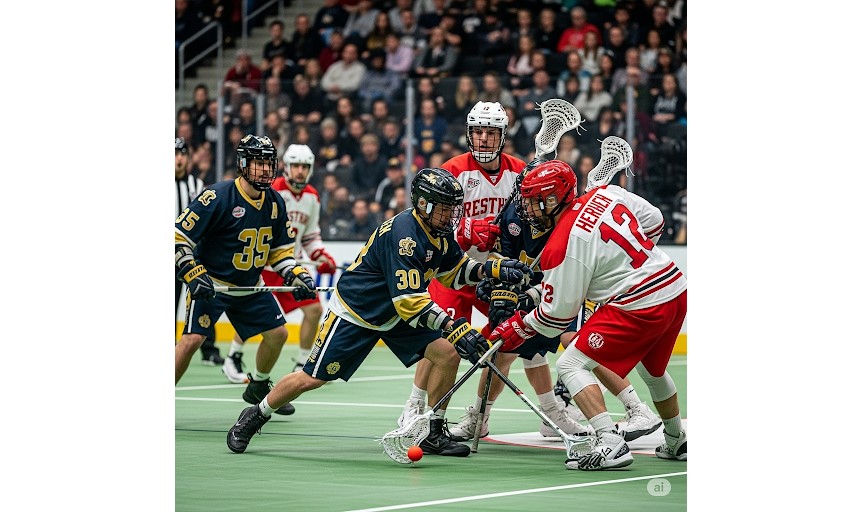
Box Lacrosse: A Deep Dive into the Sport’s Legacy and Global Impact
Box Lacrosse is a thrilling, fast-paced version of traditional lacrosse. It has captured the hearts of many around the world. While it shares roots with field lacrosse, it has carved out its own identity. The game is predominantly played indoors and showcases a unique blend of physicality, speed, and strategy. As its popularity grows globally, understanding its history, rules, and significance is essential. Box Lacrosse offers more than just competition; it provides cultural richness, community bonding, and professional opportunities.
The Origin and History of Box Lacrosse
It was developed in Canada during the 1930s. As ice hockey rinks sat idle during summer, arena owners looked for a new sport. They turned to lacrosse, a traditional Indigenous game, and adapted it for the indoor setting. This led to the birth of Box Lacrosse.
Unlike field lacrosse, which has roots dating back hundreds of years, Box Lacrosse is relatively new. The original version of lacrosse was played by Indigenous peoples across North America. It held spiritual and cultural significance. When European settlers arrived, they adapted the game to suit their own preferences.
The indoor version gained traction quickly. By the 1930s, the Canadian Amateur Lacrosse Association (CALA) endorsed Box Lacrosse. It became the preferred format in Canada due to its fast-paced nature and accessibility. Over time, the sport spread to other regions, slowly gaining a dedicated following.
Global Popularity and Locations Where Box Lacrosse Is Played
Canada remains the epicenter of Box Lacrosse. The sport is woven into the fabric of Canadian culture. Youth leagues, adult leagues, and professional teams all thrive in this environment.
The United States has seen a surge in interest over the past two decades. American universities and high schools have begun to include it in their athletic programs. States like New York, Pennsylvania, and Colorado lead in participation.
Europe has embraced Box Lacrosse with growing enthusiasm. The Czech Republic, for example, hosts annual international tournaments like the Aleš Hrebeský Memorial. Teams from across Europe compete, showcasing their skills and passion for the sport.
In Asia, countries like Japan and South Korea have started to invest in Box Lacrosse. These nations view it as a way to diversify their sports offerings. Australia also supports a niche but passionate community of Box Lacrosse players.
Amateur Box Lacrosse Around the World
At the amateur level, Box Lacrosse is highly organized. Youth programs in Canada are the most robust. Children as young as five can join local teams. Leagues focus on skill development, teamwork, and sportsmanship.
In the United States, many schools have started integrating it into physical education programs. This introduction helps students understand the basics of the game. It also builds interest that may lead to more competitive involvement.
Clubs often form the backbone of amateur Box Lacrosse in Europe and Asia. These organizations operate independently but follow standardized rules. They train players across various age groups. Local tournaments and regional leagues provide regular competition.
Summer camps and clinics also contribute to the sport’s growth. These programs attract participants eager to improve their skills. They often feature former professional players as instructors, which adds credibility and excitement.
Professional Box Lacrosse Leagues
The National Lacrosse League (NLL) is the premier professional Box Lacrosse league in North America. Founded in 1986, the NLL features teams from both the United States and Canada. The season runs from December to June, culminating in the NLL Cup.
Players in the NLL are highly skilled. Many have backgrounds in both field and Box Lacrosse. The league has elevated the sport’s profile through television deals, sponsorships, and social media engagement.
Canada also boasts the Western Lacrosse Association (WLA) and Major Series Lacrosse (MSL). These leagues operate during the summer and feature top-level amateur talent. Many NLL players participate in these leagues during the off-season.
Europe has its own professional circuits, although they are smaller in scale. The European Box Lacrosse Invitational and other similar events help maintain competitive standards. These leagues continue to grow, fueled by increased participation and investment.
Asia is in the early stages of professional development. However, exhibitions and international matches are laying the groundwork for future leagues. The goal is to replicate the success seen in North America and Europe.
Political and Social Significance of Box Lacrosse
Box Lacrosse holds deep cultural importance, especially in Indigenous communities. It is more than a game; it is a form of expression, healing, and resistance. Many Indigenous players see Box Lacrosse as a way to preserve their heritage.
The sport also fosters community and identity. Local teams often act as community hubs. Families gather to support players, and games become social events. This communal aspect strengthens societal bonds.
Politically, Box Lacrosse has been a tool for advocacy. Indigenous groups have used the sport to highlight broader issues. These include land rights, cultural preservation, and social justice.
In urban areas, it serves as a positive outlet for youth. Programs aimed at at-risk youth have shown significant success. They use the sport to teach discipline, teamwork, and leadership.
The inclusion of Box Lacrosse in international events has sparked conversations about representation. Advocates push for recognition of the sport’s Indigenous roots. They aim to ensure that future growth remains respectful and inclusive.
Rules of Box Lacrosse
It is played indoors, typically on a hockey rink covered with artificial turf. Each team has six players on the floor: five runners and one goalie.
Games consist of three 20-minute periods. The clock stops for penalties, goals, and other official reasons. Teams switch ends after each period.
The objective is to score by shooting a ball into the opposing team’s net. A shot clock, usually 30 seconds, limits how long a team can hold possession. This rule ensures a fast pace.
Players use sticks with a netted head to catch, carry, and pass the ball. Body checking and stick checking are allowed, making the game physically demanding. However, excessive force results in penalties.
Penalties range from two-minute minors to five-minute majors. A penalized player serves time in the penalty box, leaving their team short-handed.
Face-offs start each period and follow every goal. The ball is placed between two players who battle for control. Face-offs require quick reflexes and strength.
Substitutions are allowed on the fly. Players must enter and exit through the designated substitution area. Timing is critical to avoid too many men on the floor.
Goalies wear extra padding and use larger sticks. Their role is crucial, as they often face over 50 shots per game. Goaltending skills can significantly influence the outcome.
Crease violations are strictly enforced. Only the goalie may enter the crease. Offensive players who step in lose possession, and repeated infractions may result in penalties.
Overtime rules vary by league. Some use sudden death, while others play a full extra period. The format depends on the level of play and governing body.
Conclusion
Box Lacrosse has evolved from a regional pastime to a global sport. Its unique blend of speed, skill, and physicality continues to attract new fans. The sport thrives in Canada but is expanding across the United States, Europe, and Asia.
Amateur programs nurture young talent and foster community involvement. Professional leagues elevate the game and provide role models for aspiring athletes. The cultural and political dimensions of Box Lacrosse deepen its significance.
Understanding the rules enhances appreciation for the sport. From the youth level to professional arenas, it offers something for everyone. Its impact is profound, and its future is bright.
As awareness spreads, Box Lacrosse stands poised to reach even greater heights. Its journey from Indigenous fields to international arenas reflects a story of resilience, adaptation, and unity through sport.