
The Dynamic World of Brazilian Jiu-Jitsu: A Comprehensive Guide
Brazilian Jiu-Jitsu has become a cornerstone of modern martial arts. Its influence stretches across continents and age groups. Practitioners of all levels praise the sport for its mental and physical benefits. Brazilian Jiu-Jitsu teaches discipline, control, and problem-solving in high-pressure scenarios. More than just a combat sport, Brazilian Jiu-Jitsu represents a philosophy of life that is embraced worldwide.
The Origin and History of Brazilian Jiu-Jitsu
Brazilian Jiu-Jitsu has its roots in traditional Japanese Jujutsu and Judo. During the early 20th century, Japanese martial artists traveled the world to spread their knowledge. Mitsuyo Maeda, a Judo expert, arrived in Brazil in 1914. He began teaching the art to locals, including a young Carlos Gracie.
Carlos Gracie, along with his brothers, adapted the techniques to better suit their physiques and strategies. Their innovations focused on leverage and technique over brute strength. This transformation led to the birth of Brazilian Jiu-Jitsu. Helio Gracie, the younger brother, played a pivotal role. Due to his smaller stature, he refined the art to rely more on timing and positioning.
Over decades, the Gracie family challenged fighters from other disciplines. These challenge matches built the reputation of Brazilian Jiu-Jitsu. The sport grew organically through word-of-mouth and demonstrated effectiveness.
In the 1990s, the rise of the Ultimate Fighting Championship (UFC) skyrocketed its visibility. Royce Gracie’s dominance in early UFC events shocked spectators. He defeated larger, stronger opponents using Brazilian Jiu-Jitsu techniques. The world took notice.
Global Popularity and Reach of Brazilian Jiu-Jitsu
Today, Brazilian Jiu-Jitsu is practiced in nearly every country. From Rio de Janeiro to Tokyo, from New York to Sydney, its schools and gyms thrive. The sport appeals to individuals of all ages and fitness levels. Its inclusive and technical nature attracts a diverse following.
In North America, BJJ academies have flourished. Major cities often boast dozens of training centers. Europe also sees exponential growth, particularly in countries like the United Kingdom, Poland, and Sweden. Asian countries, including Japan and South Korea, have integrated BJJ into their existing martial arts traditions.
South America continues to lead in producing top-level talent. Brazil remains a hub for both competition and instruction. Meanwhile, African nations are beginning to embrace the sport. Local organizations and international partnerships help spread knowledge and build facilities.
Social media and online instruction play key roles in this growth. Platforms like YouTube and Instagram showcase techniques, interviews, and matches. As a result, even remote areas gain access to high-level content and learning opportunities.
Amateur Brazilian Jiu-Jitsu Around the World
Amateur Brazilian Jiu-Jitsu thrives at grassroots levels. Many children begin training as early as age four. Youth programs emphasize fitness, discipline, and anti-bullying strategies. Coaches tailor lessons to developmental stages, making the sport accessible and fun.
In schools, BJJ is sometimes offered as part of physical education. In the United States, some charter schools integrate it into their curriculum. Private academies often offer after-school programs. These introduce martial arts values while improving coordination and social skills.
Colleges and universities increasingly sponsor BJJ clubs. These programs create community and foster leadership. Tournaments between academic institutions provide opportunities for amateur athletes to compete.
Community centers and non-profits also promote amateur Brazilian Jiu-Jitsu. Many organizations focus on underserved populations. Programs help youth avoid crime, build confidence, and develop life skills. These efforts expand access to the sport beyond traditional gyms.
Professional Leagues and Competitions in Brazilian Jiu-Jitsu
The professional side of Brazilian Jiu-Jitsu has evolved rapidly. Numerous global leagues now offer platforms for elite competitors. The International Brazilian Jiu-Jitsu Federation (IBJJF) remains the most prominent. It hosts tournaments such as the World Jiu-Jitsu Championship, Pan Jiu-Jitsu Championship, and European Open.
Another leading organization is the Abu Dhabi Combat Club (ADCC). Its World Submission Wrestling Championships attract top grapplers. The ruleset emphasizes submissions, attracting a wide range of competitors from various styles.
Other notable leagues include Polaris, EBI (Eddie Bravo Invitational), and Who’s Number One. These promotions prioritize entertainment and innovation. They often feature superfights and unique rule sets. Livestreaming and pay-per-view events increase accessibility for global fans.
Brazil also hosts numerous prestigious events. The CBJJ (Confederacao Brasileira de Jiu-Jitsu) oversees competitions across the country. These events often act as proving grounds for rising talent.
Athletes often pursue sponsorships and professional coaching. Full-time training has become viable for top-tier competitors. Brands now invest in marketing, apparel, and media to support athletes and leagues.
The Social and Political Significance of Brazilian Jiu-Jitsu
Brazilian Jiu-Jitsu carries weight beyond the mat. Socially, it fosters inclusion, equality, and empowerment. Gyms often bring together individuals from various backgrounds. On the mat, respect and humility take precedence over status or wealth.
Many BJJ programs aim to uplift marginalized communities. In Brazil’s favelas, training centers offer safe havens for at-risk youth. Coaches serve as mentors, providing structure and guidance. These programs reduce crime and build self-esteem.
Globally, BJJ empowers women and underrepresented groups. Women-only classes create safe spaces for learning. The sport helps build confidence and fosters self-reliance. LGBTQ+ inclusivity is also gaining traction, with dedicated organizations and seminars.
Politically, BJJ has influenced law enforcement and military training. Many agencies incorporate it into their defensive tactics. The techniques allow for control without excessive force. This has led to debates about its role in policing reforms.
The sport also contributes to international diplomacy. Tournaments often serve as cultural exchanges. Athletes travel worldwide, forging friendships and mutual respect. These interactions break down stereotypes and build bridges.
Rules and Structure of Brazilian Jiu-Jitsu
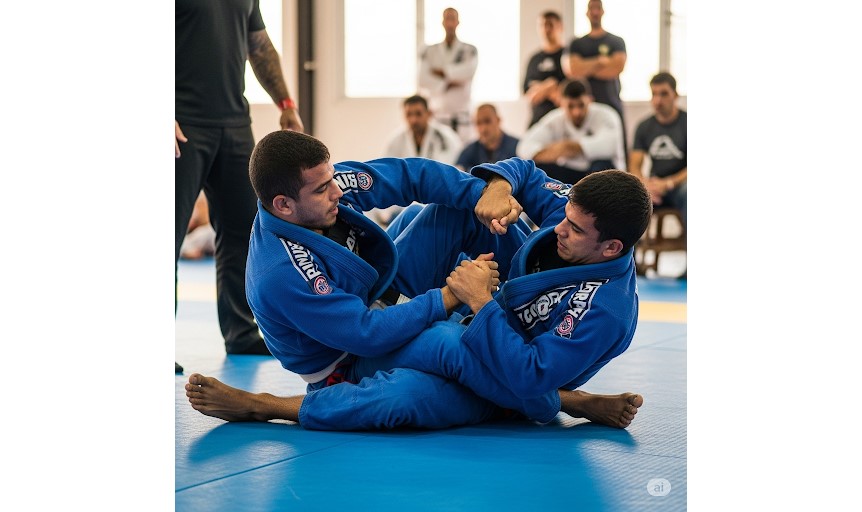
Understanding the rules enhances appreciation for the sport. Matches usually take place on padded mats in a square or circular area. Competitors wear either a gi (uniform) or no-gi (rash guard and shorts).
Matches begin from standing position. Athletes try to bring each other to the ground using takedowns. Once on the ground, they seek dominant positions. These include mount, back control, and side control.
Points are awarded for achieving and maintaining control. For example, passing an opponent’s guard earns three points. A successful mount grants four points. Sweeps and takedowns also score.
The ultimate goal is submission. Competitors aim to force a tap-out using chokes or joint locks. A match can end before time runs out if a submission occurs.
Matches are supervised by trained referees. They ensure safety and enforce rules. Unsportsmanlike conduct results in penalties or disqualification.
Age and skill determine match length. Children’s matches are usually shorter. Adults may compete for five to ten minutes, depending on the level.
Weight classes ensure fair competition. Brackets are organized accordingly, sometimes including open-weight divisions. These allow competitors of different sizes to face off.
Different rule sets exist depending on the organization. IBJJF rules emphasize control and position. ADCC prioritizes submissions and aggression. Understanding these variations helps fans and competitors alike.
Conclusion
Brazilian Jiu-Jitsu continues to grow and evolve. Its deep history, global reach, and social impact make it unique among sports. From children in schools to professional athletes on the world stage, its influence is profound.
The sport offers a path for personal development, community engagement, and international collaboration. Its rules promote strategy, technique, and respect. As more people discover its benefits, it will only become more prominent.
Whether you train, watch, or support from the sidelines, this art form has something to offer. Brazilian Jiu-Jitsu is not just a martial art; it is a way of life.