
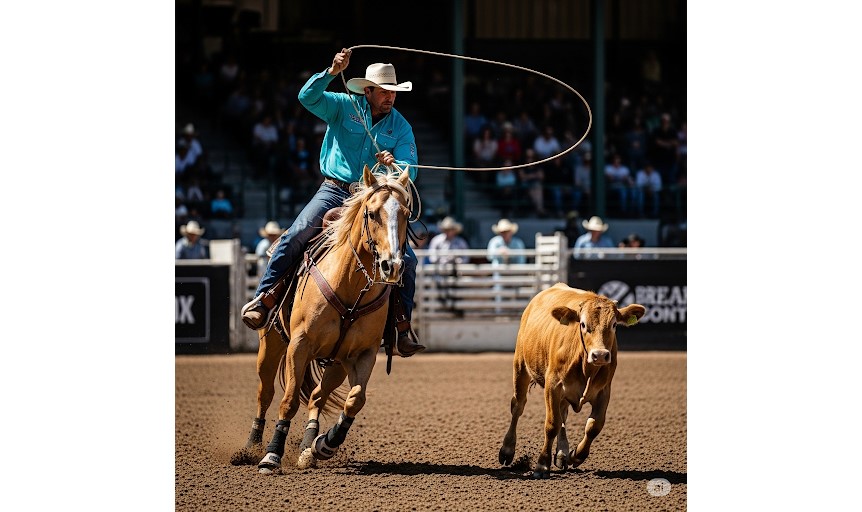
Breakaway Roping: A Fast-Paced Rodeo Sport with Deep Roots and Rising Popularity
Breakaway Roping is one of the fastest-growing events in the rodeo world. This sport combines precision, speed, and athleticism. Originating from traditional ranching practices, it has captured the hearts of rodeo enthusiasts worldwide. It is especially prominent in North America, though its reach continues to expand. Today, Breakaway Roping is enjoyed by professionals and amateurs alike, including youth and school programs.
Origins and History of Breakaway Roping
The sport traces its roots back to the American West. Cowboys and cowgirls often needed to rope calves for branding or medical treatment. These daily tasks evolved into friendly competitions. Over time, these events were formalized and included in rodeos.
In the early 20th century, rodeos became organized events. Calf roping was one of the original competitions. Women participated in rodeos but were often excluded from roping events. Breakaway Roping emerged as a variation of calf roping. Unlike traditional tie-down roping, competitors do not dismount. Instead, they rope the calf and stop their horse, which breaks the string connecting the rope to the saddle horn.
This change made the event safer and more inclusive. Women quickly adopted Breakaway Roping, turning it into a premier women’s rodeo event. The Women’s Professional Rodeo Association (WPRA) helped formalize the rules. Throughout the 20th century, the sport grew in popularity. By the 21st century, major rodeos had added Breakaway Roping as a featured event.
Global Popularity and Where It Is Played
It is most popular in the United States, especially in the Southwest. Texas, Oklahoma, and New Mexico serve as hotbeds for the sport. Canada also has a strong rodeo culture, and Breakaway Roping is commonly included in events there.
In Australia, rodeo sports enjoy widespread appeal. Breakaway Roping has become part of many local and regional rodeos. The country’s vast cattle industry creates natural opportunities for roping sports. Similarly, parts of South America—particularly Argentina and Brazil—have embraced the sport.
In Europe, Breakaway Roping remains a niche sport. However, rodeo associations in countries like France and Germany have begun to introduce it. These organizations often work with American rodeo experts to promote the sport.
Japan and South Africa have emerging rodeo communities. While not yet mainstream, Breakaway Roping has gained interest due to its excitement and accessibility. The use of social media and online streaming has helped spread awareness.
Amateur Breakaway Roping: Youth and School Participation
Amateur participation is vital to the sport’s growth. Many children grow up in rodeo families and start training at a young age. Youth rodeo associations provide competitive platforms for aspiring ropers.
In the United States, organizations like the National Little Britches Rodeo Association (NLBRA) and the National High School Rodeo Association (NHSRA) support youth competitors. These groups offer events for kids as young as seven. Competitions take place at local, state, and national levels.
Schools and colleges also support Breakaway Roping. The National Intercollegiate Rodeo Association (NIRA) oversees college-level competitions. Student-athletes train rigorously and often use college rodeo as a stepping stone to professional circuits.
Australia has similar programs through youth rodeo leagues. These events promote skill development and sportsmanship. Parents and schools play key roles in fostering talent.
Rodeo camps and clinics are also popular. These events allow young athletes to learn from professionals. Coaching covers horsemanship, roping technique, and competition strategy.
Professional Leagues and Global Associations
Several professional organizations govern Breakaway Roping. In the United States, the WPRA leads the way. This group has championed women’s participation in rodeo sports for decades. WPRA-sanctioned events are held throughout the country.
The Professional Rodeo Cowboys Association (PRCA) recently added it to its events. This move significantly raised the sport’s profile. Top ropers now compete at major events like the National Finals Rodeo (NFR).
In Canada, the Canadian Professional Rodeo Association (CPRA) includes Breakaway Roping. Australian rodeos often feature it through the Australian Professional Rodeo Association (APRA). South America has emerging circuits, particularly in Brazil’s rodeo-rich regions.
International rodeo championships increasingly include Breakaway Roping. Competitors from various countries now travel globally to participate. This trend helps build camaraderie and elevate competition standards.
Social media and online streaming services like The Cowboy Channel and RFD-TV have also expanded the sport’s visibility. Fans can now follow their favorite ropers in real-time.
Political and Social Significance
It has significant cultural implications. It showcases the vital role of women in rodeo. Historically, rodeo events excluded female competitors. This sport offers a platform where women can excel equally.
The inclusion of Breakaway Roping in major rodeos marks a shift in gender equity. Advocates like Jackie Crawford and Lari Dee Guy have pushed for broader acceptance. Their efforts helped influence organizations like the PRCA to include the event.
On a social level, Breakaway Roping supports rural and agricultural communities. It provides economic opportunities and community cohesion. Rodeos often serve as major social gatherings, especially in smaller towns.
Educational institutions also benefit. Scholarships and athletic programs use Breakaway Roping to attract talented students. This sport helps bridge academic pursuits with athletic excellence.
Additionally, Breakaway Roping promotes animal welfare awareness. Rules and training emphasize humane treatment. This focus aligns with modern sensibilities and enhances the sport’s reputation.
Rules and Structure of Breakaway Roping
The rules of Breakaway Roping are straightforward but require skill and discipline. The event begins with a calf in a chute. The competitor waits behind a barrier on horseback.
When the calf is released, the rider chases it. The goal is to rope the calf’s neck as quickly as possible. The rope is tied to the saddle horn with a string.
Once the rope tightens, the string breaks, signaling a successful run. Electronic timers record the precise moment the rope breaks. Fastest time wins.
A 10-second penalty is assessed if the rider leaves too early and breaks the barrier. Missing the calf results in a no-time score. Ropers must use legal loops, meaning the rope must go over the calf’s head cleanly.
Judges ensure that competitors follow all regulations. Equipment checks are standard. Horses must be well-trained, as they play a critical role in performance.
Training involves perfecting timing and precision. Riders practice daily, focusing on technique and consistency. Many use video analysis to refine their runs.
Conclusion
Breakaway Roping has evolved from a ranching necessity to a competitive sport enjoyed worldwide. It honors tradition while embracing innovation. The sport continues to break barriers in gender equity and cultural significance.
With support from amateur and professional organizations, Breakaway Roping has a bright future. Its blend of excitement, skill, and inclusivity ensures its continued growth. Whether at a local rodeo or an international event, this sport captivates audiences and competitors alike.
From humble beginnings to global stages, Breakaway Roping stands as a testament to the spirit of rodeo. It inspires young athletes, empowers women, and entertains fans across the world.