
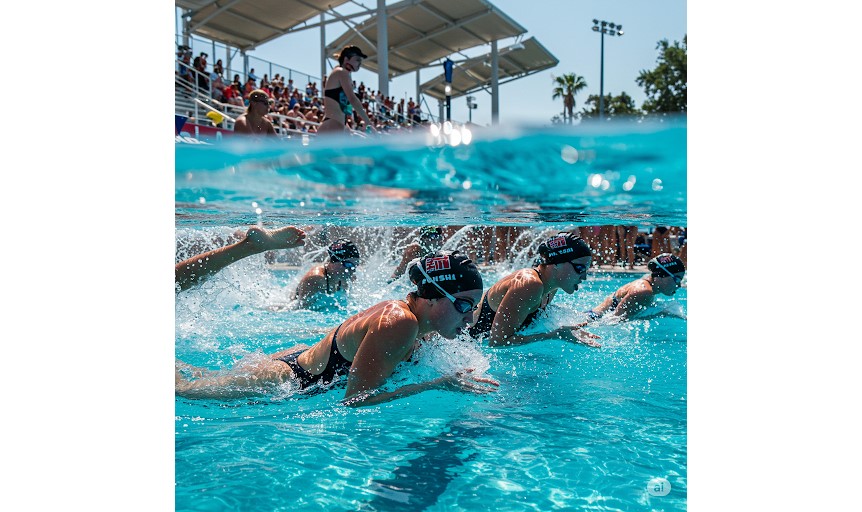
The Complete Guide to Breaststroke Swimming: History, Popularity, Amateur Competitions, Leagues, and Social Impact
Breaststroke Swimming stands as one of the most iconic and recognizable techniques in aquatic sports. This elegant style is beloved for its rhythm and grace. It has a rich legacy that extends far beyond pool lanes. With its historical roots, wide appeal, and competitive structure, Breaststroke Swimming continues to influence sports globally. This blog post explores its journey, from humble beginnings to global prominence. It also highlights how the sport has grown across amateur and professional levels.
The Origins and History of Breaststroke Swimming
Breaststroke is one of the oldest known swimming styles. Ancient cave drawings in Egypt from around 2000 BCE show figures in a breaststroke-like position. This suggests humans have used this style for millennia. Early civilizations, including the Greeks and Romans, often practiced swimming for both recreation and military training.
By the Middle Ages, swimming became less prominent in Europe. However, breaststroke remained known through various cultures. In Japan, swimmers were trained in this method as part of samurai education. Meanwhile, indigenous groups across the Pacific also demonstrated similar swimming techniques.
The modern history of Breaststroke Swimming began in the 19th century. In 1696, French author Melchisedec Thevenot described breaststroke in his book, “The Art of Swimming.” Later, in the 1800s, the stroke became more formalized in European swimming competitions. The National Swimming Society in Britain started holding races, where breaststroke was the primary stroke used.
In 1904, breaststroke debuted at the Olympics in St. Louis. It became one of the first strokes to be codified in international rules. The International Swimming Federation (FINA), established in 1908, further developed and standardized breaststroke rules.
Over the decades, breaststroke technique evolved significantly. Innovations like the underwater pullout and glide phase enhanced speed and efficiency. While traditional styles focused on endurance, modern approaches combine speed with technique.
Global Popularity of Breaststroke Swimming
Breaststroke Swimming enjoys worldwide popularity due to its accessibility and aesthetic appeal. It remains a staple in competitive swimming events across all levels.
In Europe, nations like the UK, Germany, and Hungary boast a long-standing tradition of breaststroke excellence. Legendary swimmers such as Adam Peaty from the UK have brought global attention to the stroke with record-breaking performances.
In Asia, countries like Japan and China consistently produce world-class breaststroke athletes. The style’s emphasis on technique suits cultures that value discipline and precision.
The Americas also embrace breaststroke. In the United States, the stroke is taught in most swim schools and programs. It is one of the first techniques introduced to young swimmers because of its controlled breathing and manageable pace.
Australia, a swimming powerhouse, showcases strong breaststroke talent as well. Many Australian swimmers start with this stroke before branching out into other styles.
Additionally, Breaststroke Swimming is featured in triathlons, open water swims, and fitness programs. The stroke’s relative gentleness on the joints makes it popular among older adults and rehabilitation patients.
Amateur Breaststroke Swimming Around the World
Amateur swimming forms the backbone of the sport’s development. It begins at the grassroots level, often through school-based programs.
In the United States, age-group swimming plays a crucial role. Organizations like USA Swimming sponsor meets where breaststroke events are standard. From elementary school to college, athletes compete in 50m, 100m, and 200m breaststroke races.
In the UK, Swim England promotes breaststroke within its Learn to Swim framework. Children progress through stages, mastering basic technique before competing in club events.
Japan’s school system includes mandatory swimming instruction. Breaststroke is one of the core styles taught from early education. Students participate in citywide and regional competitions.
South Africa and Brazil also invest in youth swim programs. Public pools and community centers host events that nurture amateur talent.
In developing countries, international NGOs support swimming education. Breaststroke is often chosen because of its easy-to-learn technique and strong safety record.
Youth competitions usually follow standard rules adapted to age and skill. Swimmers wear caps, goggles, and suits, racing in timed heats. Local swim clubs provide coaching, fostering discipline and teamwork.
Parent involvement and volunteer coaches sustain these programs. These networks create lifelong swimmers and future professionals.
Professional Leagues and Competitions
At the professional level, Breaststroke Swimming is part of every major swim meet. The Olympics, World Championships, and continental contests all include breaststroke events.
The Olympic Games showcase the 100m and 200m breaststroke for men and women. Athletes must qualify through national trials. Finalists compete for medals and often set new world records.
FINA, the international governing body, hosts the World Aquatics Championships. Swimmers from over 200 nations compete in breaststroke among other events. The World Cup series further provides opportunities for elite swimmers to earn rankings and prize money.
The International Swimming League (ISL), launched in 2019, introduced a team-based format. Breaststroke specialists play a vital role in team strategy. Points earned in individual races contribute to overall team scores.
In the NCAA system in the United States, college athletes compete in breaststroke across dual meets and national championships. NCAA performances often serve as stepping stones to international careers.
European Championships, Pan Pacific Games, and Asian Games also feature breaststroke prominently. These competitions raise the profile of swimmers and attract sponsorships.
Prize money, endorsements, and media coverage have grown. Elite breaststroke swimmers now maintain social media profiles, engage with fans, and participate in brand promotions.
Political and Social Significance of Breaststroke Swimming
Swimming, including breaststroke, has deep social roots. It promotes public health, community engagement, and national pride.
In post-war Europe, public pools became symbols of reconstruction. Governments promoted swimming to enhance physical fitness and morale. Breaststroke, being easy to learn, was emphasized in public lessons.
In apartheid-era South Africa, access to swimming pools was racially segregated. Today, breaststroke represents a reclaiming of space for all communities. Programs now work to ensure equal access to facilities and coaching.
Gender equality in swimming has also evolved. Women now compete in the same breaststroke events as men. Advocacy for equal prize money and media coverage continues.
In Asia, national breaststroke champions often become cultural icons. Their success fuels youth ambition and government investment in sport.
Refugee athletes have competed in breaststroke on the world stage. Their stories highlight resilience and inspire social unity. The International Olympic Committee has recognized swimming as a tool for peace and integration.
In developing countries, NGOs use breaststroke as a means of water safety education. Teaching children to swim reduces drowning rates and builds confidence. Programs like Swim Safe and World Swim Against Drowning focus heavily on this technique.
Environmentally, swimming promotes non-motorized recreation. Pools powered by solar energy and green building standards reflect growing environmental awareness in sports infrastructure.
Rules and Technique of Breaststroke Swimming
Breaststroke has unique rules that distinguish it from other strokes. The swimmer must maintain a simultaneous arm and leg movement. Arms push out and sweep back together. Legs perform a frog kick, where feet turn outward and kick in a circular motion.
The head must break the surface once every stroke cycle. This allows for regular breathing and visibility. Swimmers are not allowed to swim entirely underwater except during the start and turns.
Starts begin with a dive from a platform. Upon entry, the swimmer performs a single arm pull and kick underwater. After surfacing, they continue the stroke rhythm.
Turns and finishes require two-hand touches. Both hands must touch the wall simultaneously. Failure to comply results in disqualification.
Judges monitor each lane during competition. Underwater cameras assist in enforcing rules. Penalties include disqualification or time penalties for infractions.
Stroke tempo, timing, and glide phase are critical for speed. Swimmers aim to minimize drag while maximizing propulsion. Training involves drills for kick strength, arm recovery, and breath control.
Modern swimmers focus on body alignment and hydrodynamics. Streamlined movement reduces resistance. Video analysis and biomechanical feedback enhance performance.
Swimmers also practice dryland exercises. Core strength, flexibility, and endurance contribute to better stroke mechanics. Nutrition and recovery play roles in peak performance.
Conclusion
Breaststroke Swimming continues to captivate athletes, fans, and communities around the world. Its rich history, global appeal, and structured development make it a cornerstone of aquatic sports. From children learning their first strokes to Olympians racing for gold, breaststroke touches all levels of swimming.
Amateur programs nurture talent and promote safety. Professional leagues offer thrilling competition and national pride. Politically and socially, breaststroke serves as a symbol of inclusion, health, and unity.
Understanding the technique and rules ensures fair play and improved performance. As the sport evolves, breaststroke remains both a tradition and a frontier of innovation.
With its timeless rhythm and universal reach, Breaststroke Swimming truly embodies the spirit of water sport.