
Bushwhacking: The Wild Evolution of a Thrilling Outdoor Sport
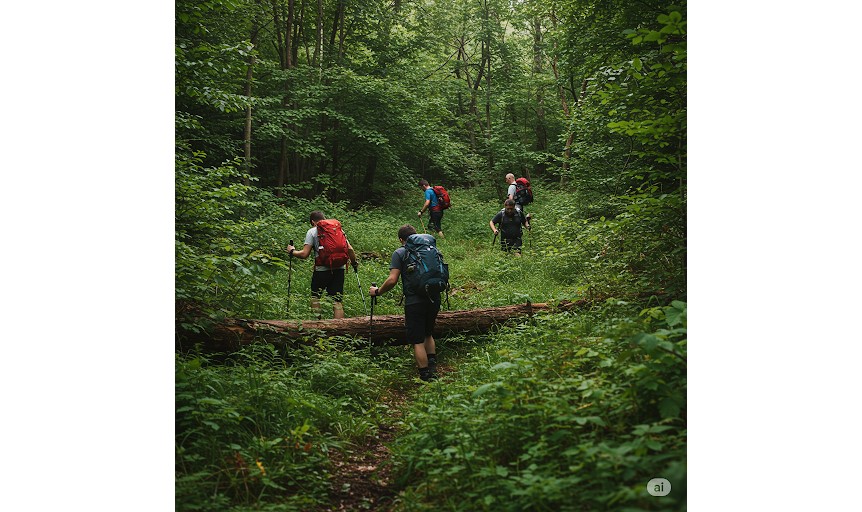
Bushwhacking, once a survival tactic, has transformed into a globally recognized adventure sport. It blends elements of navigation, endurance racing, and wilderness exploration. Across continents, bushwhacking challenges both professionals and amateurs. From rugged trails in Canada to rainforests in Southeast Asia, the sport continues to gain fans worldwide. This blog post explores the origin, growth, and global popularity of bushwhacking. It also breaks down the rules, the amateur and professional scene, and its social and political relevance.
The Origin and History of Bushwhacking
Bushwhacking began as a method of traversing unmarked wilderness. Early explorers in North America used it to push through dense forests. Indigenous peoples had long navigated these paths without defined trails. European settlers adopted the practice to reach remote areas.
Over time, what was once a necessity became a challenge. By the late 1800s, organized expeditions began turning into competitions. Pioneers saw value in speed, efficiency, and resourcefulness. Bushwhacking gained momentum as a test of skill.
In the early 20th century, military training included bushwhacking techniques. Soldiers were taught to navigate without maps or marked paths. After World War II, veterans brought this skillset into civilian life. They began organizing recreational wilderness challenges.
By the 1970s, environmental movements sparked interest in non-mechanized outdoor sports. Bushwhacking aligned with these values. Groups started hosting competitive navigation events in national parks. The sport became more structured. Uniform rules and codes of conduct emerged. This era laid the foundation for modern bushwhacking.
Today, bushwhacking is no longer limited to North America. It has followers across continents. Its evolution reflects a blend of tradition, survival, and innovation.
Global Popularity and Where It Is Played
Bushwhacking enjoys strong global appeal. North America remains its spiritual home. The Pacific Northwest, Appalachian region, and Canadian Rockies are popular venues. Thousands gather annually for events in Banff, Alberta, and Vermont.
In Europe, the Alps and the Carpathians provide ideal conditions. France, Switzerland, and Romania host multi-day bushwhacking events. Participants navigate rugged terrain using compasses and topographical maps.
Australia has seen a surge in interest. The Blue Mountains and Tasmania are top destinations. Bushwhacking aligns well with Australia’s outdoor culture.
Asia, too, has embraced the sport. Thailand and Malaysia offer dense tropical jungles. These areas attract international competitors. Their unique terrains provide intense mental and physical challenges.
South America contributes to the sport’s diversity. Brazil’s Amazon region and Chilean Patagonia serve as iconic locations. Local tribes often act as guides, sharing ancestral knowledge of the land.
Even Africa has joined the scene. Kenya and South Africa offer bushwhacking routes in savannahs and mountain ranges. These environments add wildlife awareness to the skillset required.
With modern GPS tools banned in most competitions, the sport emphasizes traditional orienteering. Despite technology, the core spirit remains rooted in nature.
Amateur Bushwhacking and Youth Participation
Amateur bushwhacking is thriving. Local clubs organize monthly or seasonal challenges. These events offer varying levels of difficulty. Families, friends, and schools participate to experience the thrill.
In the United States, high schools incorporate bushwhacking into outdoor education. Students learn map reading, survival skills, and environmental ethics. These programs focus on character building and teamwork.
Scouting organizations worldwide have adopted bushwhacking elements. Boys and girls navigate unfamiliar terrain using compasses and coordinate logs. These activities prepare them for tougher adventures later in life.
In the UK, the Duke of Edinburgh’s Award includes a bushwhacking component. Participants must plan and execute multi-day wilderness excursions. The initiative has inspired thousands to take up the sport.
Australia and New Zealand offer youth bushwhacking camps. Kids learn basic skills before progressing to competitive events. These camps often partner with schools and conservation groups.
In India and Nepal, NGOs run programs for rural youth. Bushwhacking helps teach geography, self-reliance, and eco-awareness. These grassroots efforts expand the sport’s reach to underserved communities.
Amateur bushwhacking serves as a gateway to more advanced participation. Many professionals started in local clubs or school-based events. The sense of accomplishment motivates youth to continue.
Professional Leagues and Global Associations
Professional bushwhacking leagues have emerged over the past two decades. These leagues offer structured competitions, rankings, and prize pools.
The International Bushwhacking Federation (IBF) was founded in 2003. It sets rules, certifies events, and coordinates with national bodies. The IBF organizes the annual World Bushwhacking Championship.
In North America, the American Bushwhacking Association (ABA) oversees a network of professional and semi-professional teams. The ABA circuit includes famous races like the Appalachian Trek and Sierra Traverse.
Europe boasts the Continental Outdoor League (COL). Teams compete in five-day events across various terrains. Sweden’s Winter Bushwhack is a fan favorite.
Asia’s rise in the sport led to the formation of the Pan-Asian Bushwhacking Council (PABC). Japan, South Korea, and Indonesia host regional qualifiers. Winners advance to the World Championship.
South America is developing its own league. Brazil’s National Bushwhacking League (NBL) launched in 2018. Chile and Argentina are working on similar initiatives.
Sponsorships and media coverage have improved significantly. Outdoor brands sponsor top athletes. Events are streamed online. Fans follow scores, team stats, and terrain previews.
The professional structure has brought prestige and visibility. It also ensures safety and environmental compliance. Standardized protocols allow events to be held in protected areas with minimal impact.
Social and Political Significance of Bushwhacking
Bushwhacking is more than a sport. It holds deep social and political significance. In many regions, it promotes environmental stewardship. Participants become advocates for conservation.
Educational programs linked to bushwhacking foster ecological awareness. Young people learn to value nature. They grow into responsible adults who champion green policies.
In politically unstable regions, bushwhacking offers a unifying platform. Events bring together people from different backgrounds. Shared goals dissolve barriers. Trust and cooperation replace division.
Post-conflict nations have used the sport for reconciliation. Rwanda, for instance, hosted a joint event with former adversaries. The physical challenges symbolized a journey toward healing.
Bushwhacking also empowers marginalized communities. Indigenous guides lead expeditions. Their ancestral knowledge gains recognition and respect. Economic opportunities emerge through tourism and training.
Women’s participation has increased. Leagues promote gender equity. Mixed-gender teams highlight cooperation. Trailblazers inspire a new generation of female adventurers.
Governments support bushwhacking for its positive image. It boosts ecotourism. Local economies benefit from hosting events. Infrastructure development follows.
The sport also sparks policy changes. Areas once ignored gain protected status. Environmental laws strengthen due to increased attention.
In short, bushwhacking contributes to both individual growth and collective progress.
Rules and Structure of the Sport
Bushwhacking has specific rules that ensure fairness and safety. These rules vary slightly by region but share common principles.
Each event starts with a pre-set route or coordinate set. Participants must navigate without GPS. Compasses, altimeters, and topographical maps are allowed.
Teams usually consist of 2–5 members. Solo categories exist but are rare. Cooperation is essential. Team members must stay within 100 meters of each other.
The objective is to reach checkpoints in order. These points are scattered across challenging terrain. Time penalties apply for missing a checkpoint.
Water sources and rest points are marked. However, teams carry their own supplies. Minimal aid is provided. This tests endurance and planning.
Events vary in length. Short sprints last 4–6 hours. Ultra challenges can span multiple days.
Environmental respect is mandatory. Littering results in disqualification. Flora and fauna must not be disturbed. Leave-no-trace principles guide behavior.
Emergency protocols are strict. Satellite phones are issued. Medical stations are placed at intervals. Rescue teams remain on standby.
Judges monitor adherence to rules. Checkpoints have RFID scanners. Time and position data are logged.
Cheating is rare but addressed firmly. Penalties range from time deductions to lifetime bans.
Rules evolve as the sport grows. Innovations like biodegradable trail markers and solar-powered gear have been approved recently.
Fairness, safety, and sustainability define bushwhacking’s code.
Conclusion
Bushwhacking began as a survival skill and evolved into a dynamic global sport. Its roots stretch deep into history. Its branches now touch every continent.
Amateurs and professionals find purpose in the challenge. Schools and leagues nurture the next generation. The sport promotes unity, conservation, and courage.
With structured rules and passionate communities, bushwhacking continues to grow. It inspires connection with nature and with each other.
Whether in remote forests or urban greenbelts, bushwhacking offers a journey of discovery. It reminds us that in a mapped world, adventure still awaits.