
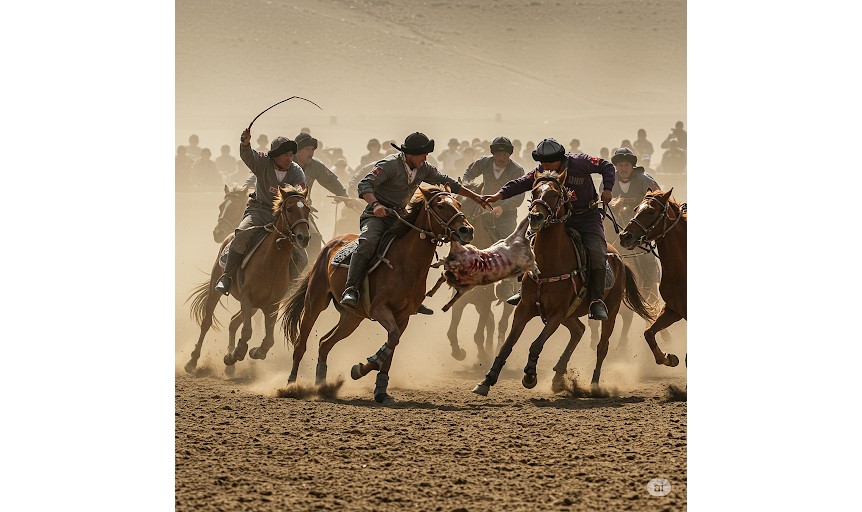
Buzkashi: The Fierce Sport of Central Asia
Buzkashi is one of the most intense and captivating sports in the world. It blends history, culture, athleticism, and raw competition. In Central Asia, Buzkashi is more than just a game. It is a display of bravery, honor, and national pride. The sport has endured for centuries, evolving from tribal tradition to a structured competition. Across time, it has inspired awe and respect. Buzkashi continues to gain attention globally for its uniqueness and cultural value.
The Origins and History of Buzkashi
The roots of Buzkashi stretch back over a thousand years. Most historians trace its origins to the nomadic Turkic-Mongol peoples of Central Asia. These tribes often relied on horses for survival. Horsemanship became a critical skill. As a result, Buzkashi evolved as a way to train warriors in agility, strategy, and endurance.
The name “Buzkashi” translates to “goat grabbing” in Persian. Traditionally, riders compete to snatch a goat carcass and carry it to a goal. Initially, it was not a game. It served as preparation for battle and a test of manhood. Over time, it transitioned into a sporting event. However, it never lost its intense, combative nature.
For centuries, Buzkashi remained an informal sport. Local leaders, or khans, often sponsored games during celebrations or important gatherings. These events drew large crowds. They also reinforced tribal alliances and rivalries. The game was particularly popular in areas that are now Afghanistan, Tajikistan, Kyrgyzstan, and parts of northern Pakistan.
With the Soviet influence in Central Asia during the 20th century, Buzkashi underwent some changes. Authorities attempted to formalize the sport. They introduced rules and attempted to bring consistency to its format. In Afghanistan, Buzkashi remained largely traditional. Riders called “chapandaz” gained fame and honor in their communities. The sport persisted even during conflict, surviving Soviet invasion and Taliban rule.
Buzkashi’s Global Popularity and Reach
Despite its deep roots in Central Asia, Buzkashi has intrigued people around the world. Documentaries, news stories, and travel programs have highlighted its intensity. Images of fearless riders grappling on horseback have captivated international audiences.
In recent years, the global diaspora from Central Asia has helped spread Buzkashi’s appeal. Events have been held in countries like the United States, Canada, and Germany. These gatherings often coincide with cultural festivals. They offer a chance to celebrate heritage and share it with wider audiences.
Several international sports channels have featured Buzkashi. As a result, more people are becoming curious about it. The sport’s raw, unfiltered nature sets it apart. It contrasts sharply with the polished image of many modern sports. Its authenticity resonates with those seeking more visceral competition.
Additionally, some universities and research institutes have studied Buzkashi. They examine its cultural significance and psychological impact. This academic interest helps legitimize the sport further.
Amateur Buzkashi: Youth and School Involvement
In countries like Afghanistan, Tajikistan, and Kyrgyzstan, young boys often learn Buzkashi from a young age. Families pass down knowledge through generations. Children start by riding ponies and helping their elders. As they grow stronger, they begin training more seriously.
In rural areas, informal games are common. Schools in some regions even promote the sport as part of physical education. While professional equipment is expensive, communities often pool resources. They prioritize tradition and mentorship.
Young riders gain respect early. Local heroes often emerge from these amateur games. These young chapandaz gain experience and often rise to professional levels. Their passion fuels the sport’s continued growth.
Some non-profits and cultural organizations support youth involvement. They provide gear, training facilities, and workshops. Their goal is to preserve the sport and provide youth with constructive outlets.
Although not yet common, a few urban schools have started Buzkashi clubs. These clubs teach students about the sport’s history and ethics. They combine physical training with cultural education. These programs encourage discipline, resilience, and community values.
Professional Buzkashi Leagues Around the World
Several countries have established professional leagues for Buzkashi. Afghanistan leads the way. The sport holds national importance there. Professional games attract thousands of spectators. Major cities like Kabul, Mazar-i-Sharif, and Kunduz host regular competitions.
These events often involve sponsorships from businesses and government agencies. High-stakes matches sometimes offer large cash prizes. Riders train year-round and invest in specialized horses. These animals are carefully bred and trained for the sport.
Tajikistan and Kyrgyzstan also host professional leagues. Their games are slightly more structured due to Soviet-era regulations. However, they retain the spirit of traditional Buzkashi. Regional tournaments draw large crowds, especially during Nowruz and other cultural festivals.
In Pakistan’s northern regions, particularly in Chitral and Gilgit-Baltistan, professional matches are common. These games attract tourists and media attention. Players often come from families with long Buzkashi traditions.
Outside Central Asia, some expat communities have organized leagues. In Canada and the United States, cultural associations support semi-professional teams. Though these matches are fewer in number, they keep the spirit of the game alive.
Efforts are underway to create a formal international Buzkashi federation. Such an organization would help regulate rules, promote safety, and support global expansion.
Political and Social Significance of Buzkashi
Buzkashi is more than a sport. It serves as a symbol of identity and unity. In Afghanistan, it has played a role in politics. Leaders often sponsor games to gain popularity. Hosting successful matches can boost political image and public approval.
During times of conflict, Buzkashi has provided a sense of normalcy. It offers people an escape and a chance to celebrate heritage. Even the Taliban, who once banned the sport, have allowed it to return under certain conditions.
The sport also reinforces social hierarchies. Wealthy individuals often own the best horses and sponsor teams. This dynamic mirrors traditional tribal structures. However, talented riders from humble backgrounds can rise through the ranks. This upward mobility adds to the sport’s appeal.
Socially, Buzkashi brings communities together. Matches are community events. Families gather to watch, cheer, and share food. The sport fosters local pride and cohesion.
Additionally, it serves as a rite of passage for many young men. Competing successfully in Buzkashi earns respect and recognition. It affirms a young man’s bravery, strength, and determination.
In recent years, some women have begun to challenge gender norms by participating in Buzkashi. Though still rare, female riders have appeared in exhibitions and training camps. Their involvement signals a shift in social attitudes.
Rules of Buzkashi: Structure Amid Chaos
Buzkashi may appear chaotic, but it follows distinct rules. The basic objective is simple. Riders must grab a goat carcass from the ground and carry it to a goal. The carcass, often headless and weighed down, can exceed 30 kilograms.
Players ride strong, agile horses trained specifically for the sport. Games take place in large, open fields. The field often measures several hundred meters in length.
There are two main styles of play: “Tudabarai” and “Qarajai.” In Tudabarai, the goal is to grab the carcass and stay in possession of it. No specific goal area is required. In Qarajai, players must carry the carcass to a designated scoring circle, then return it to another area to score.
A match can last from a few minutes to several hours. Games are divided into rounds. A referee oversees the match to ensure fair play. However, physical confrontation is part of the game.
Players use whips, not only to steer their horses but also to fend off opponents. Riders must rely on balance, strength, and cunning. Team strategy plays a major role. Some players block opponents while others attempt to score.
Safety measures are minimal. Injuries are common. However, this intensity is part of what draws fans. Spectators admire the courage and skill displayed.
Recent efforts have aimed to modernize rules. Helmets, padded gear, and medical supervision are being introduced. These changes seek to reduce injuries without compromising tradition.
Conclusion
Buzkashi represents a powerful blend of history, culture, and sport. From the steppes of Central Asia to festivals in Western cities, its legacy endures. It teaches values of resilience, honor, and community. Despite challenges, the sport continues to thrive.
As Buzkashi gains global interest, more efforts will likely emerge to formalize and promote it. However, its essence lies in its raw authenticity. Whether played by seasoned professionals or eager youths, Buzkashi remains a vivid expression of cultural identity. In an increasingly connected world, this ancient sport offers something timeless and unyielding.