The Thrilling World of Casterboarding
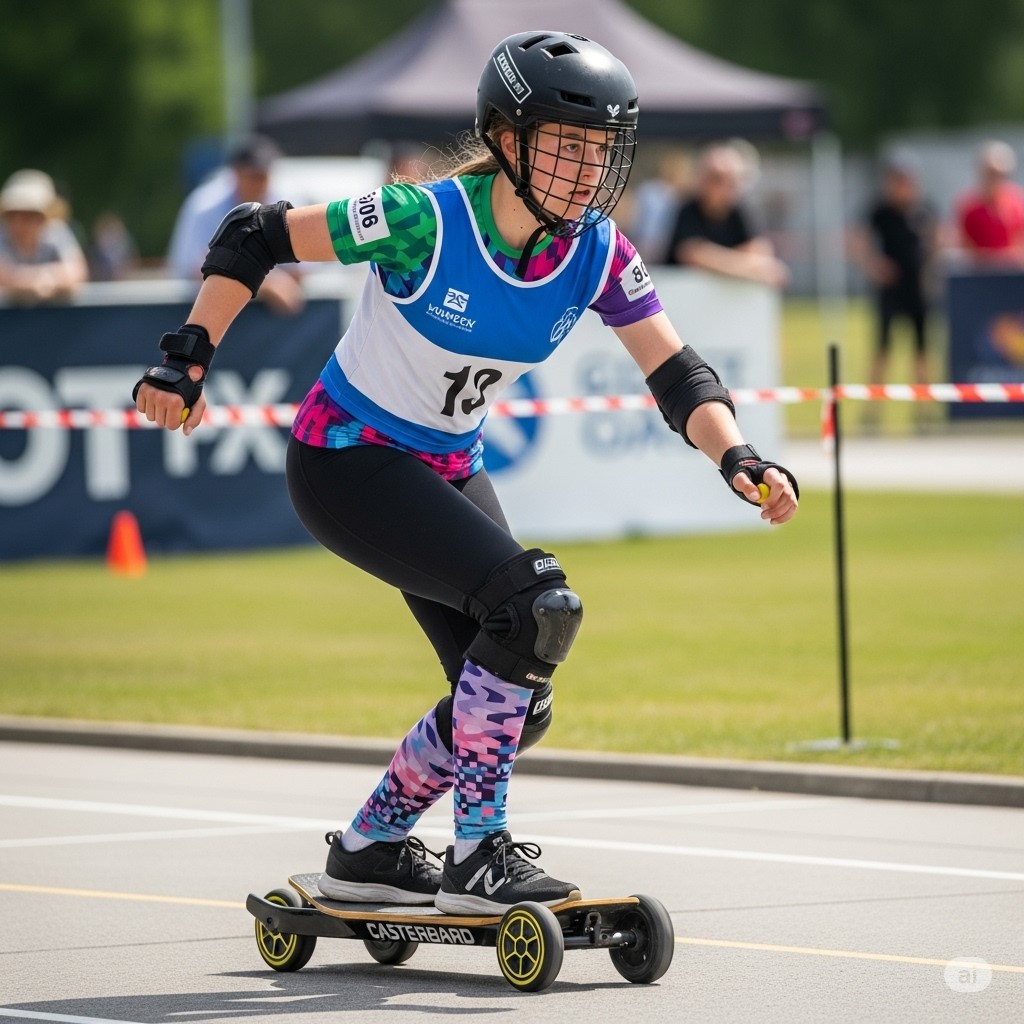
Casterboarding, a dynamic and innovative action sport, has captured the imagination of enthusiasts worldwide. This sport combines elements of skateboarding, surfing, and snowboarding, delivering an exhilarating experience. Unlike traditional skateboards, casterboards feature two narrow platforms connected by a torsion bar, with caster wheels enabling riders to carve effortlessly. Over the past two decades, casterboarding has evolved from a niche activity to a recognized sport, offering a unique blend of creativity, fitness, and fun.
Origin and History of Casterboarding
The inception traces back to the early 2000s when inventors sought to create a new kind of rideable. Inspired by the fluid motions of surfing and snowboarding, engineers developed a design that allowed continuous propulsion without foot contact with the ground. The design, patented in 2002, became the foundation for today’s casterboards.
Initially, casterboards gained traction in the United States and parts of Asia. The sport’s popularity surged after the introduction of the RipStik by Razor USA in 2006. This product revolutionized casterboarding by making it more accessible to the public. It wasn’t long before the sport spread globally, captivating riders of all ages.
The early years saw numerous local competitions aimed at showcasing casterboarding’s potential. Riders demonstrated tricks, stunts, and freestyle moves, sparking interest from spectators and potential participants. By the 2010s, casterboarding communities had formed in Europe, South America, and Australia, fostering a global culture around the sport.
Global Popularity of Casterboarding
Casterboarding’s appeal lies in its versatility. Riders can perform tricks on flat surfaces, navigate urban landscapes, or cruise down slopes. This flexibility has led to its adoption in diverse regions worldwide.
In North America, it enjoys a strong presence in urban centers and suburban neighborhoods. Skate parks often feature sections dedicated to casterboard riders, encouraging collaboration between skateboarders and casterboarders. Similarly, Asia boasts a thriving casterboarding scene, particularly in countries like Japan and South Korea, where youth culture embraces innovative sports.
Europe’s adoption of casterboarding reflects the continent’s enthusiasm for outdoor activities. Countries like Germany, France, and the United Kingdom host regular events that attract international competitors. Meanwhile, in South America, Brazil leads the way with a growing community of passionate riders who integrate casterboarding into their vibrant street culture.
The sport’s global reach has been amplified by social media. Platforms like YouTube and Instagram showcase impressive tricks and tutorials, inspiring new participants to join the movement. These digital tools have played a crucial role in fostering connectivity among global casterboarding enthusiasts.
Amateur Casterboarding: Youth and Schools
Amateur casterboarding forms the backbone of the sport. Young riders often discover casterboarding through friends, family, or school programs. Schools in many countries have introduced casterboarding as part of their physical education curriculum. This inclusion promotes balance, coordination, and physical fitness among students.
Youth organizations and community centers also support amateur it by organizing workshops and competitions. These events provide a platform for young riders to hone their skills and gain confidence. For example, in the United States, summer camps frequently include casterboarding sessions, encouraging participation from beginners.
In Asia, schools and youth clubs emphasize the artistic side of casterboarding. Riders learn freestyle moves and choreograph routines, blending sport and performance. Similarly, European programs often focus on safety and technique, ensuring that young riders develop a strong foundation.
Local tournaments and exhibitions celebrate the talent of amateur casterboarders. These events foster camaraderie among participants while introducing newcomers to the sport. As a result, amateur casterboarding continues to grow, laying the groundwork for future professional athletes.
Professional Leagues and Global Competitions
Casterboarding’s professional scene has expanded significantly over the past decade. Organized leagues and international competitions now showcase the sport’s elite talent.
One prominent organization is the International Casterboarding Federation (ICF), established to govern professional events and standardize rules. The ICF hosts annual championships that attract top riders from around the world. These competitions feature various categories, including freestyle, downhill, and technical challenges.
In Asia, the Asia-Pacific Casterboarding League (APCL) organizes regional tournaments that highlight the sport’s growing popularity. Countries like Japan, China, and the Philippines serve as hubs for these events. Meanwhile, Europe’s Casterboarding Tour (ECT) conducts a series of contests across the continent, fostering cross-border participation.
The professional scene also benefits from corporate sponsorships and media coverage. Brands like Razor and Oxelo sponsor events, providing financial support and equipment for competitors. Additionally, streaming platforms broadcast live events, reaching a global audience and further legitimizing casterboarding as a professional sport.
Political and Social Significance of Casterboarding
Casterboarding holds political and social significance in many regions. Its inclusivity and accessibility make it a powerful tool for community building and youth empowerment.
Governments and local authorities often support casterboarding initiatives to promote active lifestyles and reduce sedentary behaviors. Parks and recreational facilities are equipped with spaces for casterboarding, encouraging public participation. In some cases, urban renewal projects incorporate casterboarding zones, revitalizing neglected areas.
Socially, casterboarding bridges gaps between different age groups and cultures. Riders often share a sense of camaraderie, fostering connections that transcend language and geography. The sport’s DIY ethos encourages creativity and self-expression, resonating with marginalized communities.
Casterboarding has also become a platform for environmental advocacy. Many riders emphasize sustainable practices, such as using eco-friendly materials for boards or organizing clean-up events in public spaces. These initiatives align with broader efforts to promote environmental consciousness through sports.
Rules of Casterboarding
The rules vary depending on the discipline or event. However, some general guidelines apply to most formats.
Freestyle competitions prioritize creativity and technical skill. Riders perform a series of tricks within a set timeframe, with judges evaluating their execution, difficulty, and style. Points are deducted for falls or incomplete maneuvers.
In downhill races, speed and control take precedence. Riders navigate a course with curves and obstacles, aiming to finish in the shortest time. Safety gear, including helmets and pads, is mandatory to minimize injuries.
Technical challenges test precision and consistency. Participants complete tasks such as weaving through cones or performing specific tricks repeatedly. These events often emphasize fundamentals and consistency over flashiness.
Regardless of the format, sportsmanship and safety are essential. Competitors must adhere to guidelines set by event organizers, ensuring a fair and enjoyable experience for all.
Conclusion
Casterboarding has emerged as a vibrant and inclusive sport with a rich history and global appeal. From its origins as an inventive concept to its current status as a professional discipline, it continues to inspire riders worldwide. The sport’s integration into schools, amateur leagues, and professional circuits highlights its versatility and impact. Moreover, its social and political significance underscores its potential to drive positive change. With its thrilling combination of skill, creativity, and community spirit, casterboarding stands poised for an exciting future.