
The Enduring Legacy and Cultural Power of Chilean Rodeo
Chilean Rodeo is more than just a sport. It is a deep expression of national pride, cultural heritage, and rural tradition. While many know about American rodeo, few outside South America understand the unique rules and rich history of Chilean Rodeo. This traditional sport thrives in the countryside and shapes the lives of thousands of Chileans. From rural villages to professional arenas, it continues to grow in popularity and cultural significance.
The Origins and Historical Evolution
The roots of Chilean Rodeo stretch back to the 16th century. Spanish conquistadors brought horses and cattle to the region. As cattle ranching expanded, herding techniques became essential. The rodeo emerged as a necessary practice to manage livestock. Over time, these practical skills turned into competitions.
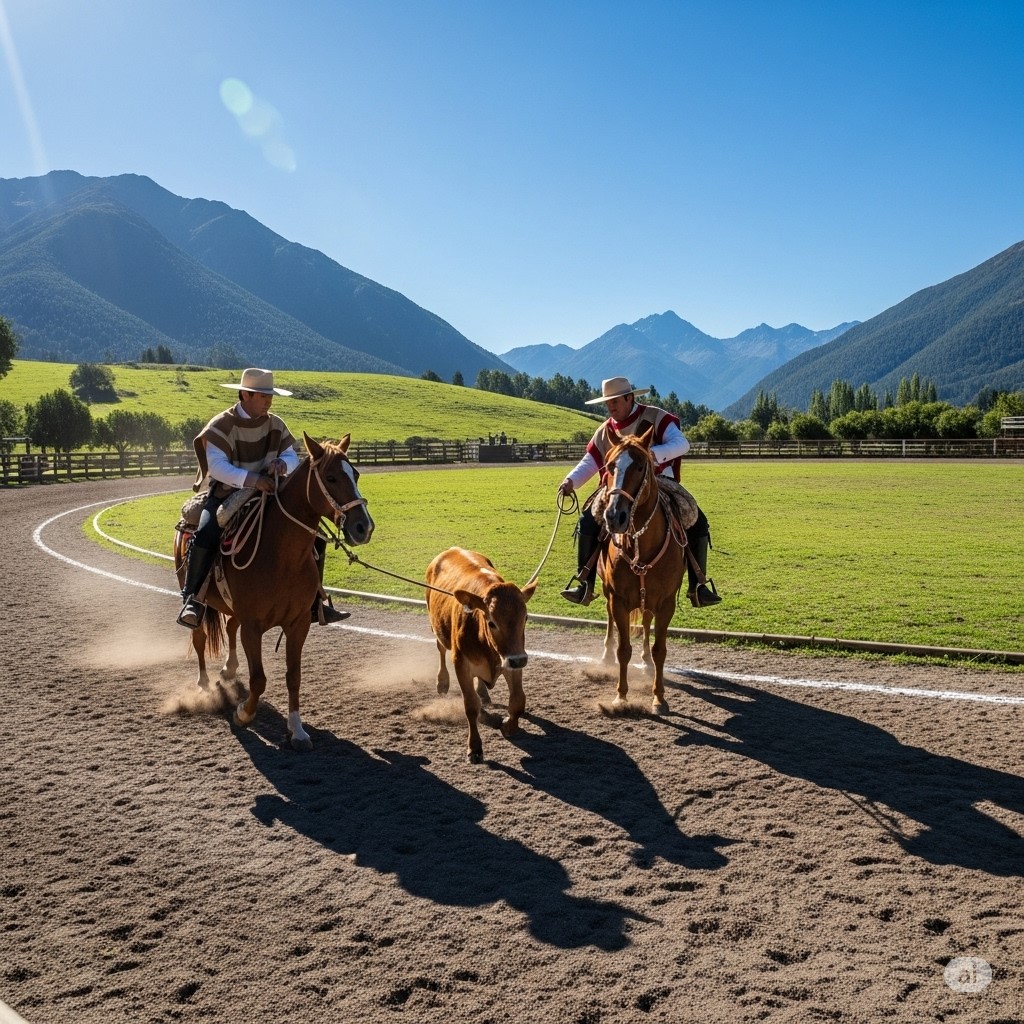
In 1860, formal rules were introduced. The Chilean government recognized rodeo as a national sport in 1962. That decision solidified its role in the country’s identity. The huaso, or Chilean cowboy, became a symbol of tradition and pride. Huasos wear the chamanto, a poncho-like garment, and ride the native Chilean horse.
Over centuries, rodeo evolved. It transformed from a working necessity into an organized sport. Rural festivals often centered on rodeo. These gatherings helped preserve customs and forge community bonds. Chilean Rodeo remains a link to the nation’s past.
Global Popularity and Reach
Chilean Rodeo remains most popular within Chile. However, its influence has spread abroad. Large Chilean communities in the United States and Australia have brought the sport with them. Today, clubs and competitions exist in places like California and Sydney.
These events attract not only expatriates but also curious locals. Cultural exchange takes place through these rodeos. They offer insight into Chilean traditions and horsemanship. As a result, global interest has slowly increased. Despite its niche status, the sport has carved a presence outside Chile.
In South America, neighboring countries like Argentina and Peru hold their own styles of rodeo. Some elements are similar to Chilean Rodeo. However, none match the formality and structure found in Chile. International festivals often feature Chilean riders. These events promote friendship and rivalry across borders.
Amateur Participation Around the World
Amateur rodeo plays a crucial role in the sport’s ecosystem. In Chile, children often begin training as young as six years old. Rural schools and community centers offer horsemanship classes. These programs preserve riding techniques and instill discipline.
Many amateur riders compete in local events. These small competitions often coincide with village festivals. Community support is strong, and young riders receive mentoring from experienced huasos. Teams of two, called colleras, practice daily to improve coordination and timing.
Outside Chile, similar amateur systems exist. In California, for example, youth clubs promote rodeo among second-generation Chileans. Parents teach their children about their roots through participation. School events occasionally include cultural segments focused on rodeo.
In Australia, interest has expanded among multicultural communities. Weekend clinics teach horsemanship and rodeo rules. These efforts foster cultural pride and help integrate Chilean traditions into the broader community. Rodeo, thus, serves both as sport and social bridge.
Professional Leagues and Competitive Structure
Chilean Rodeo has a well-defined professional circuit. The Federación del Rodeo Chileno oversees the sport’s operations. It organizes regional and national tournaments. The top teams compete in the annual Campeonato Nacional de Rodeo held in Rancagua.
This championship represents the sport’s pinnacle. Thousands of spectators attend the event. Riders and horses undergo rigorous qualification rounds throughout the year. Only the best colleras make it to Rancagua.
Another key organization is the Federación Nacional de Rodeo y Clubes de Huasos de Chile. This body focuses more on the social and cultural aspects. It ensures traditions are maintained alongside competitive growth.
International leagues have emerged in recent decades. In the United States, the Club de Rodeo Chileno USA coordinates events and ranks riders. Australia has a smaller yet growing professional presence. Collaboration between clubs ensures rule consistency and sportsmanship.
Professional rodeo riders invest heavily in training and equipment. Horses receive specialized care. Their agility and temperament often determine a team’s success. The bond between rider and horse is essential.
Political and Social Significance
Chilean Rodeo carries significant political and social weight. Politicians often attend major events to show support. Some use it as a platform to connect with rural voters. Others see it as a way to promote national unity.
The sport also sparks debate. Animal rights groups have criticized rodeo practices. Concerns focus on the treatment of cattle during competitions. Rodeo defenders argue that strict regulations minimize harm.
Socially, rodeo fosters community cohesion. It brings together families, neighbors, and generations. Shared experiences at rodeo events create lasting bonds. Local economies also benefit. Vendors sell traditional foods and crafts. These economic boosts support rural sustainability.
Cultural preservation remains a central theme. Rodeo keeps old songs, dances, and customs alive. Schools and clubs often include folk music and cueca, the national dance, in their programs. Through rodeo, Chile maintains a living connection to its past.
Rules and Gameplay of Chilean Rodeo
Chilean Rodeo follows specific rules that set it apart from other forms. Each team consists of two riders, or huasos. They ride native Chilean horses. These animals are small, sturdy, and highly agile.
The main objective is to herd a steer into three designated zones along a crescent-shaped arena. This arena, known as the medialuna, is the heart of the rodeo. Points are awarded based on precision and technique. The team must stop the steer using their horses’ chests, not by roping or wrestling.
Each run begins at one end of the medialuna. The steer exits a chute and races forward. The riders must control its direction and speed. Penalties occur if the steer escapes the track or if the maneuver is unsafe.
Judges award up to four points per zone. Style, coordination, and effectiveness matter. Teams aim to maximize scores across multiple runs. The highest cumulative score wins the round.
Protective gear for horses is mandatory. This includes padding and boots to prevent injuries. Riders also follow strict codes of conduct. Aggressive behavior towards animals leads to disqualification.
The sport emphasizes technique over brute force. Training a horse for rodeo can take years. Riders develop subtle cues and movements. Success comes from harmony between human and horse.
Conclusion: A Living Tradition with Global Aspirations
Chilean Rodeo is more than a competition. It is a vibrant symbol of national identity and pride. From its roots in cattle herding to its global presence, the sport continues to evolve. Youth programs, amateur clubs, and professional leagues ensure its survival.
International recognition may still be limited, but the sport’s cultural depth is unmatched. Communities around the world celebrate rodeo as part of their heritage. Whether in Santiago, California, or Sydney, its rhythms echo across continents.
As debates around animal welfare continue, the sport must adapt. Innovation and respect for tradition can go hand in hand. Through education and community engagement, Chilean Rodeo can thrive in a modern world.
For those seeking a window into Chile’s soul, few experiences match the passion and pageantry of its national sport. Chilean Rodeo remains a powerful force for unity, tradition, and pride.