
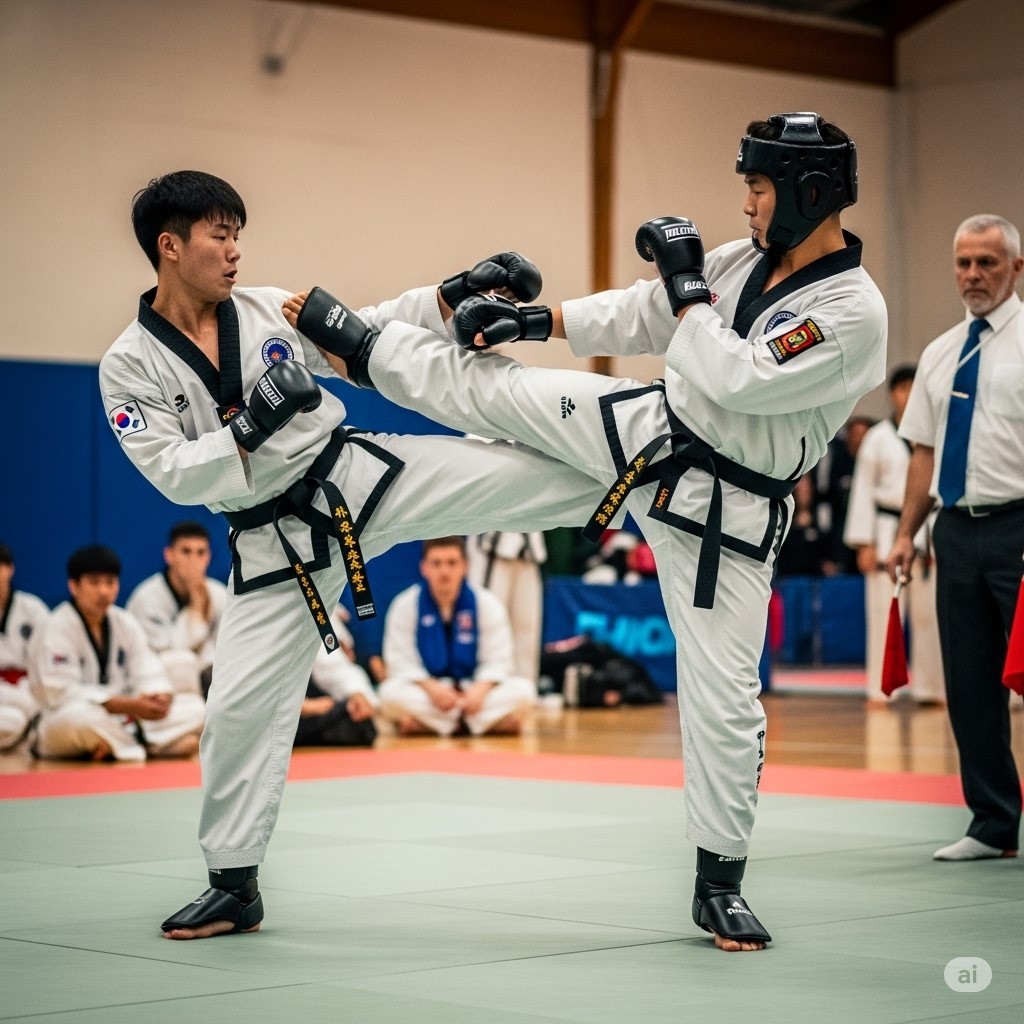
Choi Kwang-Do: A Global Martial Art with Purpose and Passion
Choi Kwang-Do is more than just a martial art. It is a revolutionary system that blends science, philosophy, and tradition. Founded in the late 20th century, this dynamic sport promotes both physical and mental wellness. Unlike many combat-focused disciplines, Choi Kwang-Do emphasizes self-development over competition. As a result, it appeals to individuals of all ages and backgrounds. Practiced in over 30 countries, this art form continues to grow in influence and popularity. In this article, we will explore the rich history of Choi Kwang-Do, its global reach, amateur and professional practice, societal significance, and its rules.
The Origin and History
Grandmaster Kwang Jo Choi created Choi Kwang-Do in 1987. His journey began much earlier, in Korea, where he trained in traditional martial arts. After suffering serious injuries due to the hard, repetitive movements in these arts, he sought a safer and more effective method.
Immigrating to North America, Choi continued his studies in anatomy, kinesiology, and biomechanics. He combined martial principles with modern science. The result was a system that reduces injury risk while maximizing power and efficiency.
Choi Kwang-Do integrates natural, rhythmic movements. It also includes breathing techniques and mental conditioning. These components reflect Choi’s commitment to a holistic approach. He wanted to create a martial art that not only defends but also heals.
Since its inception, the art has evolved. However, its foundation remains the same: self-improvement, respect, and community.
The Global Popularity
Choi Kwang-Do has seen widespread international adoption. Schools operate in North America, South America, Europe, Asia, Africa, and Oceania. Countries like the United States, the United Kingdom, India, and Australia have established strong networks.
Each school adapts its teaching to fit the local culture while maintaining the core principles. This flexibility allows it to thrive across different regions. Parents, educators, and community leaders support the art for its values and inclusivity.
Social media has helped fuel global awareness. Instructors and students share videos, stories, and testimonials online. This digital presence attracts new learners and builds a sense of global community.
International seminars and training camps further cement the art’s global footprint. These events bring together practitioners from around the world. Participants not only refine their techniques but also build friendships and cultural understanding.
Amateur Choi Kwang-Do in Youth and Schools
Choi Kwang-Do offers programs tailored for children and teenagers. These programs emphasize character-building, focus, and discipline. Youth learn in a supportive environment that encourages growth without fear of failure.
Many schools partner with local educational institutions. These partnerships allow students to practice during or after school hours. Instructors often integrate anti-bullying and self-esteem training into their curriculum.
Amateur tournaments provide a platform for students to showcase their skills. These events focus on demonstration rather than combat. Children perform patterns, drills, and self-defense routines.
The non-competitive nature ensures a low-pressure environment. This approach helps students develop confidence and resilience. They learn to set goals and work toward them with determination.
In addition to physical training, schools emphasize academic excellence and community service. Students earn recognition not just for martial skills but also for their contributions outside the dojo.
Professional Choi Kwang-Do Leagues and Organizations
While Choi Kwang-Do is primarily non-competitive, professional organizations exist to promote high-level practice. These groups organize exhibitions, seminars, and instructor certification programs.
The International Choi Kwang-Do Federation (ICKDF) serves as the central governing body. It sets training standards and hosts global events. Senior instructors from various countries contribute to curriculum development.
Professional leagues do not involve full-contact fighting. Instead, they evaluate precision, timing, and power during demonstrations. This unique format maintains safety while rewarding skill and artistry.
Instructors often pursue Choi Kwang-Do as a full-time career. They open schools, travel to seminars, and mentor younger practitioners. These professionals become community leaders and global ambassadors for the art.
Recognition from local governments and educational systems has elevated the professional status of Choi Kwang-Do. In some countries, instructors collaborate with police and military units to offer specialized training.
Social and Political Significance of Choi Kwang-Do
Choi Kwang-Do promotes peace, discipline, and cooperation. Its values resonate with many social development programs. In communities facing violence or poverty, this martial art offers a constructive outlet.
Programs in disadvantaged neighborhoods focus on empowerment. They provide youth with role models and a sense of purpose. The training instills respect for oneself and others.
Governments and NGOs have recognized its potential. They include Choi Kwang-Do in initiatives aimed at reducing crime and improving public health. These programs highlight how martial arts can drive social change.
The art also supports gender equality. Women and girls participate actively as students and instructors. Female-led schools have gained prominence in several countries.
In politically unstable regions, schools serve as safe spaces. They foster dialogue and unity through shared values and discipline.
Culturally, Choi Kwang-Do promotes heritage while embracing diversity. Practitioners wear traditional uniforms and bow in respect. At the same time, they learn to appreciate different cultures and perspectives.
The Rules and Structure of Choi Kwang-Do
Unlike many martial arts, Choi Kwang-Do avoids free sparring. The focus is on health, form, and self-defense rather than combat. Practitioners follow structured patterns known as “patterns” or “hyungs.”
These sequences teach technique, timing, and rhythm. Students perform them individually or in groups. Each belt level includes specific patterns, drills, and defense applications.
Rank progression occurs through testing. Instructors evaluate not only physical skill but also attitude and knowledge. Respect, discipline, and a positive mindset are critical for advancement.
Classes typically begin with warm-ups and stretching. This reduces injury risk and prepares the body. Next, students practice basic techniques, such as punches, blocks, and kicks.
Instructors guide them through patterns and partner drills. These exercises develop coordination, awareness, and confidence. Breathing techniques and meditation close each session.
Safety is paramount. Students train with control and focus. Any aggressive behavior is corrected immediately. This ensures a positive and respectful environment.
Uniforms, called doboks, are worn during training. They symbolize commitment and unity. Students also learn proper etiquette, such as bowing and addressing seniors respectfully.
Regular seminars and workshops keep training fresh and engaging. These events introduce new techniques and reinforce core principles. Participation in these programs often leads to faster progression and deeper understanding.
Conclusion: The Timeless Value of Choi Kwang-Do
Choi Kwang-Do continues to grow because it meets modern needs. It offers more than self-defense. The art improves health, builds character, and connects communities.
Its founder envisioned a world where martial arts uplift rather than harm. Today, that vision lives on through thousands of instructors and students.
With its scientific approach and inclusive philosophy, Choi Kwang-Do stands apart. It welcomes all who seek growth, discipline, and purpose.
Whether practiced by children in schools or professionals in seminars, the art maintains its essence. It thrives in both humble dojos and international arenas.
In a world often divided by conflict, Choi Kwang-Do unites through shared values. Its future remains bright as new generations embrace its teachings.
Through consistent practice and community support, this martial art will continue to inspire. It reminds us that strength lies not in force but in harmony and respect.
Indeed, Choi Kwang-Do is not just a sport. It is a way of life that transforms individuals and uplifts societies.