
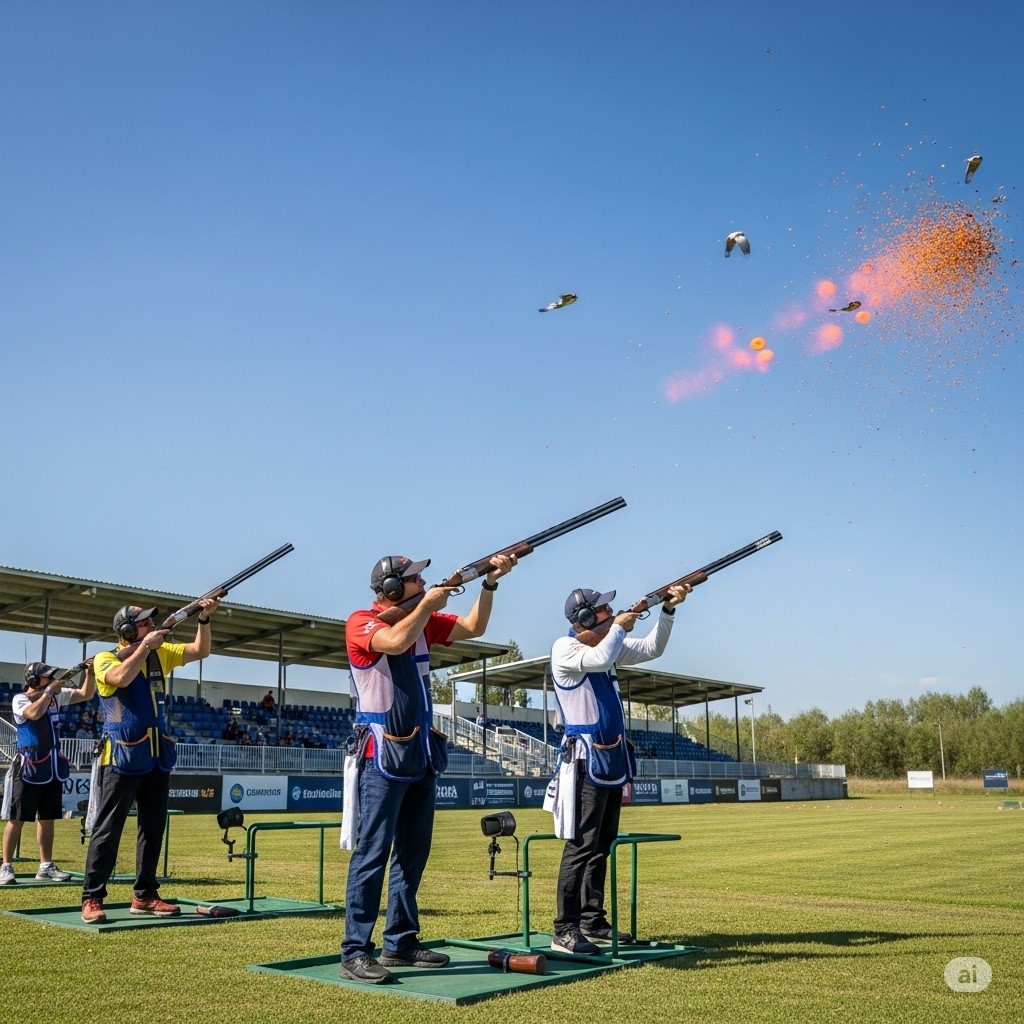
Clay Pigeon Shooting: A Deep Dive into the History, Rules, and Global Influence
Clay Pigeon Shooting is more than just a recreational activity. It is a sport rooted in tradition, discipline, and global camaraderie. Enthusiasts and competitors around the world embrace it with dedication. This blog post explores the fascinating history, worldwide popularity, amateur and youth engagement, professional leagues, and the socio-political impact of this thrilling sport. Understanding its rules is crucial, and we’ll explore that too. By the end, readers will grasp why Clay Pigeon Shooting holds such a special place in sporting culture.
The Origins and Historical Development
The origins of Clay Pigeon Shooting trace back to 18th-century England. Originally, live pigeons were released from traps, giving rise to the term “pigeon shooting.” As concerns about animal welfare grew in the 19th century, clay targets replaced live birds. This marked the birth of the modern sport.
By the late 1800s, the first clay targets were manufactured using a mix of pitch and pulverized limestone. These disks mimicked the flight pattern of birds. The transition from live to clay targets allowed for more standardized and ethical competitions.
Shooting clubs soon emerged across the United Kingdom and spread to continental Europe. The sport became more structured, and national associations were established. By the early 20th century, the rules began to formalize, and international competitions took shape.
The sport’s inclusion in the Olympics began in 1900. Though it was temporarily dropped, it returned in 1968 as a staple Olympic discipline. Over time, various shooting styles like skeet and trap were developed. These variations catered to different skill levels and target trajectories.
Global Popularity and Geographic Reach
Clay Pigeon Shooting enjoys immense popularity worldwide. In the United States, organizations like the Amateur Trapshooting Association (ATA) and USA Shooting drive national interest. Public and private shooting ranges are widespread across the country.
In the United Kingdom, the sport is deeply ingrained in rural traditions. The Clay Pigeon Shooting Association (CPSA) governs much of the local scene. Events attract thousands of spectators and participants each year.
Italy, France, and Germany also boast robust clay shooting communities. Italy, in particular, has produced numerous Olympic champions. Australia and New Zealand have incorporated the sport into both urban and rural life.
Asian countries like China, India, and South Korea have seen rapid growth in interest. Government-sponsored training programs and school-level competitions have elevated the sport’s profile.
The Middle East has embraced it too. Countries such as the United Arab Emirates and Qatar host international events. These tournaments often draw world-class shooters and showcase top-tier facilities.
Africa is slowly catching up. Nations like South Africa and Egypt are cultivating competitive shooters. Pan-African competitions are emerging, fostering cross-border cooperation.
Amateur Participation: Schools, Youth, and Enthusiasts
Amateur Clay Pigeon Shooting is thriving across all age groups. Many enthusiasts start at local gun clubs, which provide basic training and safety instruction. These clubs offer a welcoming environment for newcomers.
Youth programs play a crucial role in developing talent. In the United States, the Scholastic Clay Target Program (SCTP) and 4-H Shooting Sports provide structured learning. These initiatives emphasize safety, discipline, and sportsmanship.
Schools in rural areas often integrate shooting sports into their extracurricular activities. High school leagues are common in states like Texas and Minnesota. Annual championships bring together thousands of student-athletes.
In the UK, school shooting competitions are prestigious. Institutions like Eton and Harrow have historical ties to shooting sports. Their alumni include Olympic medalists and world champions.
Japan and South Korea include shooting in military-style academies. Students there receive rigorous training from an early age. These programs feed into national teams and international competitions.
Enthusiasts who pursue the sport recreationally form a large portion of the community. They often participate in weekend events or casual matches. Many enjoy the camaraderie and mental challenge the sport provides.
Professional Leagues and Major Competitions
The professional scene in Clay Pigeon Shooting is both competitive and well-organized. Various leagues and international bodies oversee the sport’s development.
The International Shooting Sport Federation (ISSF) governs Olympic-level shooting. It sets rules, oversees qualifications, and organizes world championships. Skeet and trap shooting are the primary ISSF disciplines.
The World Shooting Para Sport (WSPS) governs competitions for athletes with disabilities. Inclusion and diversity are cornerstones of modern professional shooting.
In the United States, the ATA and National Skeet Shooting Association (NSSA) host prestigious national tournaments. Events like the Grand American World Trapshooting Championships attract top shooters globally.
Europe hosts the European Clay Pigeon Shooting Federation (ESC). Annual continental tournaments rotate among member nations. These competitions often serve as qualifiers for global events.
Middle Eastern nations frequently host ISSF-sanctioned competitions. These events come with substantial prize money and international media coverage. Qatar and UAE have invested heavily in facilities and athlete development.
World Cup and World Championship events bring together elite shooters from every continent. These competitions foster international goodwill and set high-performance benchmarks.
Rules and Disciplines
Understanding the rules of Clay Pigeon Shooting is essential for participants and spectators. The sport is divided into several disciplines, each with its own format.
Trap Shooting features targets launched away from the shooter. The shooter stands at one of five stations arranged in a semicircle. Each station offers a different angle, testing reaction time and precision.
Skeet Shooting involves two houses—high and low—firing targets in intersecting paths. Shooters rotate through eight stations, ensuring variety and challenge. Timing and anticipation are key to success.
Sporting Clays simulates real hunting conditions. Courses are set up with multiple stations. Targets vary in speed, angle, and trajectory. It’s often considered the most complex discipline.
Each shooter typically uses a 12-gauge shotgun. Regulations dictate the type and size of ammunition. Safety protocols are strict, and proper gear is mandatory.
Scoring is straightforward. Hitting the target earns a point; missing yields zero. Events usually have multiple rounds. Cumulative scores determine rankings.
Time limits, shooting posture, and conduct rules are strictly enforced. Infractions can lead to disqualification. Fair play and sportsmanship are deeply valued.
Socio-Political Significance
Clay Pigeon Shooting holds notable political and social importance. In rural areas, it supports local economies through tourism and employment. Shooting clubs often serve as community centers.
The sport promotes responsible firearm use. Participants undergo safety training and adhere to strict protocols. This responsible culture contrasts with negative stereotypes about gun ownership.
Politically, it influences gun legislation debates. Advocates often highlight the sport’s safety record and its contribution to youth development. Governments sometimes use it to promote national pride and discipline.
In the Olympics and other global forums, the sport showcases excellence and diversity. Male and female athletes compete equally. Mixed-gender events further this inclusivity.
Socially, the sport fosters intergenerational bonding. Grandparents often teach grandchildren. Families travel together for competitions, creating lifelong memories.
Shooting sports also support mental health. Focus, discipline, and outdoor activity contribute to well-being. Many veterans and people with disabilities find therapeutic value in the sport.
Clay Pigeon Shooting can bridge cultural divides. International tournaments foster understanding and friendship. Competitors often build networks that extend beyond sports.
Conclusion
Clay Pigeon Shooting is a dynamic sport with a rich past and promising future. It blends precision, tradition, and innovation. Across the globe, it engages youth, amateurs, and professionals alike.
Its roots trace back centuries, yet it remains relevant today. From schools to international arenas, the sport continues to inspire. Professional leagues showcase its highest levels, while local clubs nurture new talent.
Its social and political impact cannot be ignored. It supports communities, fosters inclusion, and promotes responsibility. Rules and disciplines provide structure while allowing room for personal growth.
Ultimately, Clay Pigeon Shooting is more than hitting targets. It represents dedication, respect, and global unity. Its presence in our lives is both meaningful and enduring.