
Color Guard: A Complete Guide to Its History, Popularity, and Impact
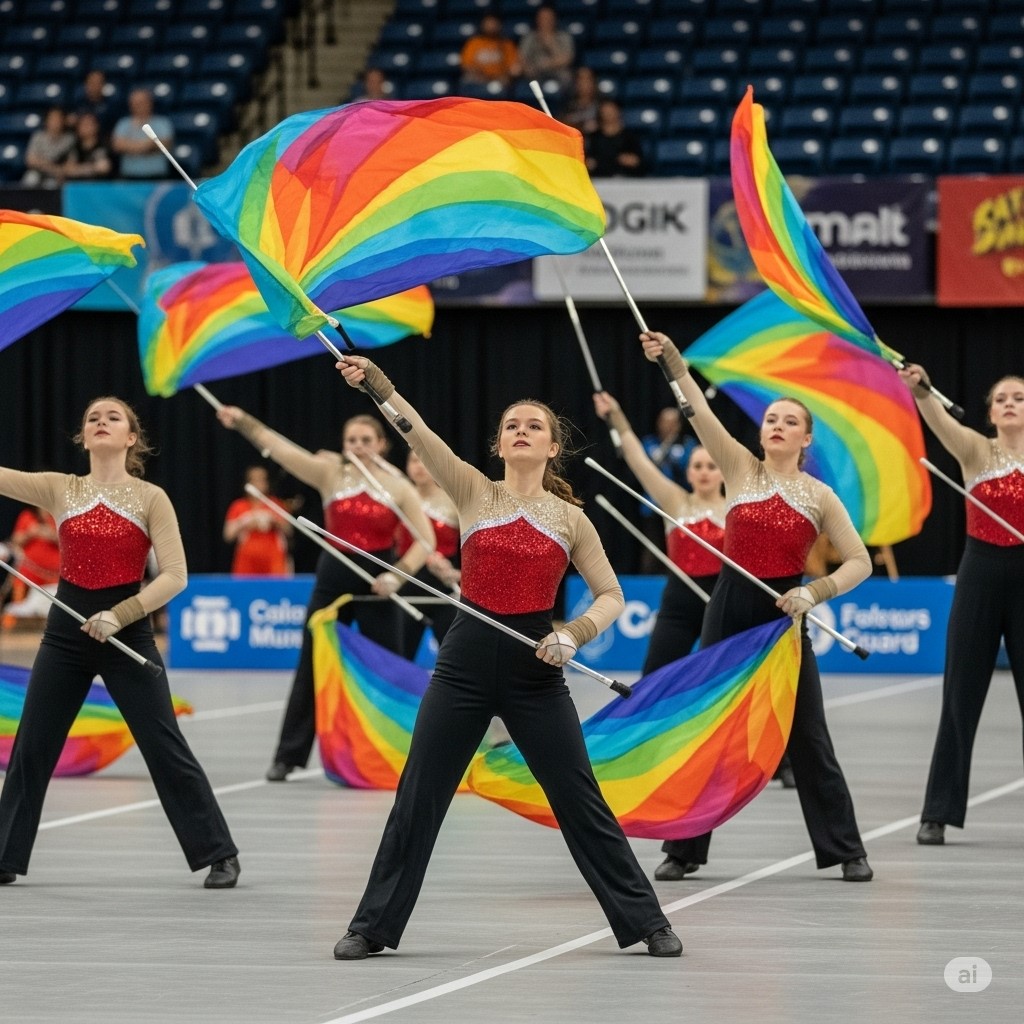
Color Guard is a vibrant, expressive, and athletic art form. It blends dance, performance, and equipment work in a competitive setting. While often seen with marching bands, Color Guard has grown into its own recognized sport. Around the world, it continues to gain momentum and respect. Participants train hard and perform with passion, creating a unique spectacle.
The Origins and History of Color Guard
The roots stretch back centuries. Military traditions often included flag bearers who marched with units during parades or battles. These flag bearers were known as color guards because they carried the “colors” or flags. The role was both ceremonial and symbolic, showcasing loyalty, honor, and unity.
During the 20th century, this tradition evolved. American marching bands in the early 1900s adopted flag bearers for ceremonial events. Over time, visual enhancements were added. Rifles, sabers, and flags became tools to entertain audiences. By the mid-20th century, Color Guard had transformed into a form of performance art.
In the 1970s and 1980s, competitive Color Guard emerged. Organizations like Drum Corps International (DCI) and Winter Guard International (WGI) played key roles. They standardized the format and rules. Competitions began to draw large audiences. Music, dance, and equipment choreography became highly refined.
Over the decades, the sport has continued to evolve. Innovations in costume design, choreography, and technology pushed the art form forward. Today, Color Guard performances can rival professional stage productions.
Global Popularity and Reach of Color Guard
It has strong roots in the United States. However, the sport has spread internationally. Many countries have embraced its mix of performance, athleticism, and creativity. Nations like Canada, the United Kingdom, the Netherlands, and Japan have established competitive circuits.
In the Netherlands, the Dutch Color Guard and Percussion Association (CGN) organizes regular contests. Japan hosts a growing number of teams. Some Asian nations blend traditional dance with Color Guard routines. This hybrid style introduces local culture into the performance.
South America is also joining the trend. Countries like Brazil and Colombia have youth and community teams. They focus on building teamwork, discipline, and self-expression.
Despite being most popular in North America, Color Guard’s global reach is expanding. Social media has played a huge role. Performances are shared widely online. This exposure inspires new teams and draws international interest.
Youth and Amateur Involvement
Color Guard thrives in schools and community programs. Middle schools, high schools, and colleges across the U.S. have dedicated teams. These student groups often perform with marching bands during football games and parades.
Most youth teams participate in regional and national competitions. Organizations like Bands of America (BOA) and WGI host annual events. Students commit to rigorous training schedules. They learn routines that combine dance, drill, and equipment work.
Community-based teams also provide opportunities. These independent guards operate outside school systems. They often accept members of all ages. Many start with youth and continue through adulthood.
School and amateur guards serve many purposes. They develop discipline, teamwork, and physical coordination. For many students, Color Guard becomes a second family. The social bonds formed are long-lasting and meaningful.
In some areas, Color Guard offers a path to scholarships. College programs may provide financial aid for skilled performers. This creates a link between passion and education.
Professional Leagues and Organizations
Several professional-level organizations exist to support and promote Color Guard. Winter Guard International is the most influential. Founded in 1977, WGI hosts indoor competitions across multiple categories. These include Scholastic A, Open, and World Class divisions.
WGI events are known for their high production value. Teams perform on gymnasium floors with elaborate props and backdrops. Judges evaluate performance based on criteria such as equipment handling, movement, and overall effect.
Drum Corps International is another key player. DCI organizes summer competitions involving drum corps from across the U.S. and other countries. Each corps includes a Color Guard section. These performers are integral to visual storytelling on the field.
Other regional leagues support international teams. In the UK, the British Youth Band Association (BYBA) organizes contests. Canada has the Canadian Drum Corps Association. The Dutch Color Guard Network serves European competitors.
Professional organizations set standards. They provide a platform for growth and innovation. Through them, Color Guard continues to reach new artistic heights.
Social and Political Significance of Color Guard
Color Guard has a unique cultural impact. It blends visual art, music, and athleticism. This combination allows performers to tell powerful stories. Many routines address social issues. Topics like mental health, inclusion, and identity are often explored.
Performances offer more than entertainment. They serve as a form of expression and protest. Some shows challenge stereotypes or advocate for change. The non-verbal nature of Color Guard makes it universally accessible.
On a social level, Color Guard promotes inclusivity. Participants come from all backgrounds. The activity fosters acceptance and unity. It empowers youth, especially those who may feel marginalized.
Community engagement is another benefit. Teams perform at local events, parades, and fundraisers. These appearances strengthen community bonds. They also raise awareness about the sport.
Color Guard has also been a tool for educational enrichment. It teaches leadership, discipline, and time management. These skills carry over into academic and professional success.
Rules and Structure
Competitions follow structured rules. These vary slightly depending on the organizing body. However, most events include similar judging criteria.
Each team performs a routine lasting between 5 to 7 minutes. The performance area is often a gym floor or football field. Music is either pre-recorded or played live by a band or corps.
Teams are judged in several categories:
- Equipment Work: This includes spins, tosses, catches, and coordinated movements with flags, rifles, and sabers.
- Movement: Dance and marching are evaluated for technique, timing, and synchronization.
- General Effect: Judges consider the emotional impact, creativity, and overall design.
- Ensemble: Cohesion among team members is key.
There are strict rules about equipment use. Rifles must meet weight and size requirements. Safety is a top priority. Dropped equipment results in point deductions.
Choreography must also follow content guidelines. Vulgar or inappropriate material leads to penalties. However, emotional and artistic themes are encouraged.
Time limits are strictly enforced. Exceeding or falling short of performance time affects scores. Teams must also follow set-up and tear-down limits.
Uniforms and props contribute to the overall effect. Teams invest heavily in design and creativity. A well-themed show often stands out.
Why Color Guard Matters
Color Guard brings people together. It blends art, sport, and community. Participants develop skills they carry for life. The performances inspire audiences and promote important messages.
For students, it creates purpose and identity. For communities, it provides pride and unity. And for the world, it offers a new kind of expression.
As it continues to grow, its impact expands. It’s more than spinning flags—it’s about telling stories, building confidence, and shaping futures.
Whether you’re a spectator or a performer, Color Guard leaves a lasting impression. Its roots in tradition have grown into a celebration of innovation and human connection.
Final Thoughts
Color Guard is far more than a school activity or halftime show. It’s a sport, an art, and a powerful form of communication. From its military origins to its global spread, it has evolved with creativity and purpose. Youth teams, amateur guards, and professional leagues all play a role in its continued success.
As the sport continues to inspire and unite, it will find new audiences and participants. The stories told through flags and movement have universal appeal. That’s the beauty of Color Guard—it speaks in a language everyone can understand.