
The Vibrant World of Competitive Marching Band: History, Rules, and Global Impact
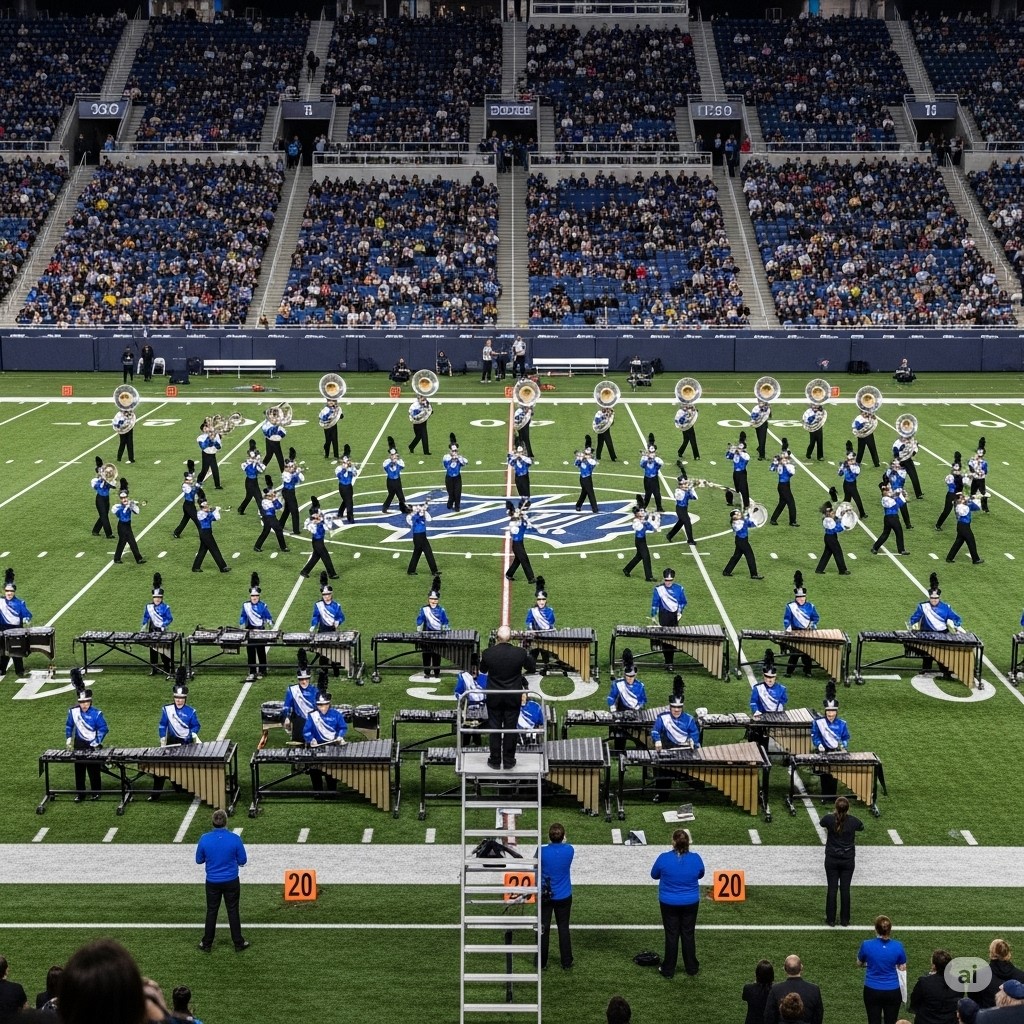
Competitive Marching Band is a dynamic and visually stunning sport that blends music, choreography, and teamwork. Though often underestimated, this activity requires immense discipline, precision, and physical stamina. From youth leagues to professional circuits, Competitive Marching Band is growing rapidly around the globe. The sport appeals to a wide audience and has developed a strong cultural and social significance. In this blog post, we’ll explore the rich history, worldwide presence, structure, and impact of this fascinating performance sport.
A Brief History of Competitive Marching Band
The origins of Competitive Marching Band date back centuries. Initially, military bands used marching formations to coordinate troops and boost morale. As early as the 16th century, armies employed bands in both ceremonial and functional capacities.
In the United States, the late 19th and early 20th centuries saw school bands adopt marching routines. These performances primarily occurred during football games and parades. Over time, directors began experimenting with more intricate formations and musical complexity.
The post-World War II era marked a pivotal shift. High school and college bands started hosting standalone field shows. During the 1970s, the formation of organizations like Drum Corps International (DCI) revolutionized the activity. Groups began competing against one another using complex musical arrangements and coordinated movements.
Today, Competitive Marching Band is both a scholastic pursuit and a professional spectacle. It has evolved into a rigorous athletic and artistic event recognized globally.
The Global Reach of Competitive Marching Band
While the United States remains the epicenter, Competitive Marching Band has a strong global footprint. Countries like Japan, the Netherlands, Thailand, and the United Kingdom have embraced the sport.
In Japan, the All Japan Marching Band Association governs national competitions. Japanese bands are known for their exceptional precision and innovative drills. The Netherlands hosts the World Music Contest in Kerkrade every four years, drawing bands worldwide.
The United Kingdom also supports a robust band culture. British youth participate in regional and national competitions organized by associations such as the British Youth Band Association (BYBA).
Thailand and Indonesia are emerging powerhouses. Both countries invest in music education and sponsor competitive circuits. Competitions often attract thousands of spectators, showcasing the sport’s popularity.
Through international collaboration and exchange programs, the Competitive Marching Band community continues to expand its global footprint.
Amateur Participation in Competitive Marching Band
Young musicians often get their start in school-based programs. In the United States, nearly every high school offers a marching band. These bands typically compete within state or regional circuits.
Middle school bands provide foundational training. Students learn basic marching techniques and musical skills. Many programs serve as feeder systems for high school and collegiate ensembles.
In Europe, youth programs often link with community music schools. Students participate in structured practices, weekend camps, and public performances.
Asia supports similar developmental pipelines. Japanese and Thai students train year-round, often performing at national events.
Participation fosters not only musical talent but also discipline, leadership, and collaboration. Many students continue performing in college or transition to drum corps.
Amateur leagues also exist outside schools. Community-based ensembles welcome all ages and skill levels. These groups provide opportunities for lifelong engagement in the sport.
Professional Leagues and Organizations Worldwide
Professional marching band competition thrives under various organizations. The most prominent in the United States is Drum Corps International (DCI). Founded in 1972, DCI showcases elite ensembles comprised of members aged 14 to 22.
DCI’s summer tour spans over 100 cities. It culminates in a world championship held at Lucas Oil Stadium in Indianapolis. Corps like Blue Devils, Santa Clara Vanguard, and Carolina Crown dominate the competitive landscape.
Drum Corps Associates (DCA) offers a platform for adult performers. Established in 1965, DCA includes participants of all ages. Its events focus on high-caliber musical and visual excellence.
In Europe, the Drum Corps Europe (DCE) circuit parallels DCI. DCE features open-class and junior divisions. It holds annual championships and promotes cross-border collaboration.
Asia’s equivalent is the Asia Pacific Drum Corps Championships. Held in rotating countries, the event draws elite groups from across the region.
These professional leagues offer athletes a high-level competitive experience. They also elevate the sport’s visibility and attract significant media attention.
Rules and Structure of Competitive Marching Band
Competitive Marching Band follows a structured format. Each performance lasts approximately 8 to 11 minutes. Bands perform on a standard American football field, which measures 100 yards by 53.3 yards.
Ensembles include brass, woodwinds, percussion, and color guard. The music spans genres from classical to contemporary pop.
Judging criteria fall into several categories:
- Music Performance – Accuracy, intonation, and expressiveness.
- Visual Performance – Precision of movement, spacing, and form alignment.
- General Effect – Overall impact, creativity, and audience engagement.
- Color Guard – Synchronization, choreography, and use of props.
Each category has designated judges. Scores are weighted and totaled to determine rankings.
Shows are designed months in advance. Directors collaborate with choreographers and composers to create cohesive productions. Rehearsals begin as early as spring and intensify during summer camps.
Time penalties apply for performances that exceed duration limits. Safety violations or unsportsmanlike conduct also incur deductions.
Unlike traditional sports, Competitive Marching Band emphasizes artistry and execution over physical confrontation. Yet, the physical demands rival those of many athletic disciplines.
Political and Social Significance of Competitive Marching Band
The sport holds considerable cultural weight. In the United States, it plays a vital role in school spirit and community identity. Local parades, football games, and civic ceremonies often feature marching band performances.
Competitive Marching Band also acts as an educational tool. Music programs cultivate discipline, creativity, and academic achievement. Numerous studies link music education with improved cognitive development.
Socially, the sport promotes inclusivity. Participants come from diverse backgrounds and skill levels. The collaborative nature of band fosters empathy and teamwork.
Politically, the sport has faced challenges. Budget cuts often threaten music programs. Advocacy groups like Save Our Schools and Support Music lobby for funding and policy support.
In some countries, marching bands are tools for national unity. In Thailand, royal ceremonies often include marching performances. Similarly, Indonesia uses band competitions to foster patriotism and national pride.
Gender equality is also evident. Both male and female performers hold leadership roles. Many women serve as drum majors, section leaders, and composers.
Thus, Competitive Marching Band transcends performance. It serves as a platform for social mobility, education, and cultural expression.
Conclusion
Competitive Marching Band is more than synchronized steps and musical flair. It embodies discipline, creativity, and global connection. From its military roots to modern professional circuits, the sport has evolved dramatically.
Youth programs nurture talent and character. Professional leagues showcase excellence and innovation. Globally, the sport bridges cultures and inspires unity.
Whether you’re a performer, director, or spectator, the impact of Competitive Marching Band is undeniable. It resonates far beyond the field, shaping lives and communities alike.
As interest continues to grow, this sport’s future appears brighter than ever. The world is finally recognizing what millions of performers have long known: Competitive Marching Band is a powerful, transformative force in the world of sports and the arts.