
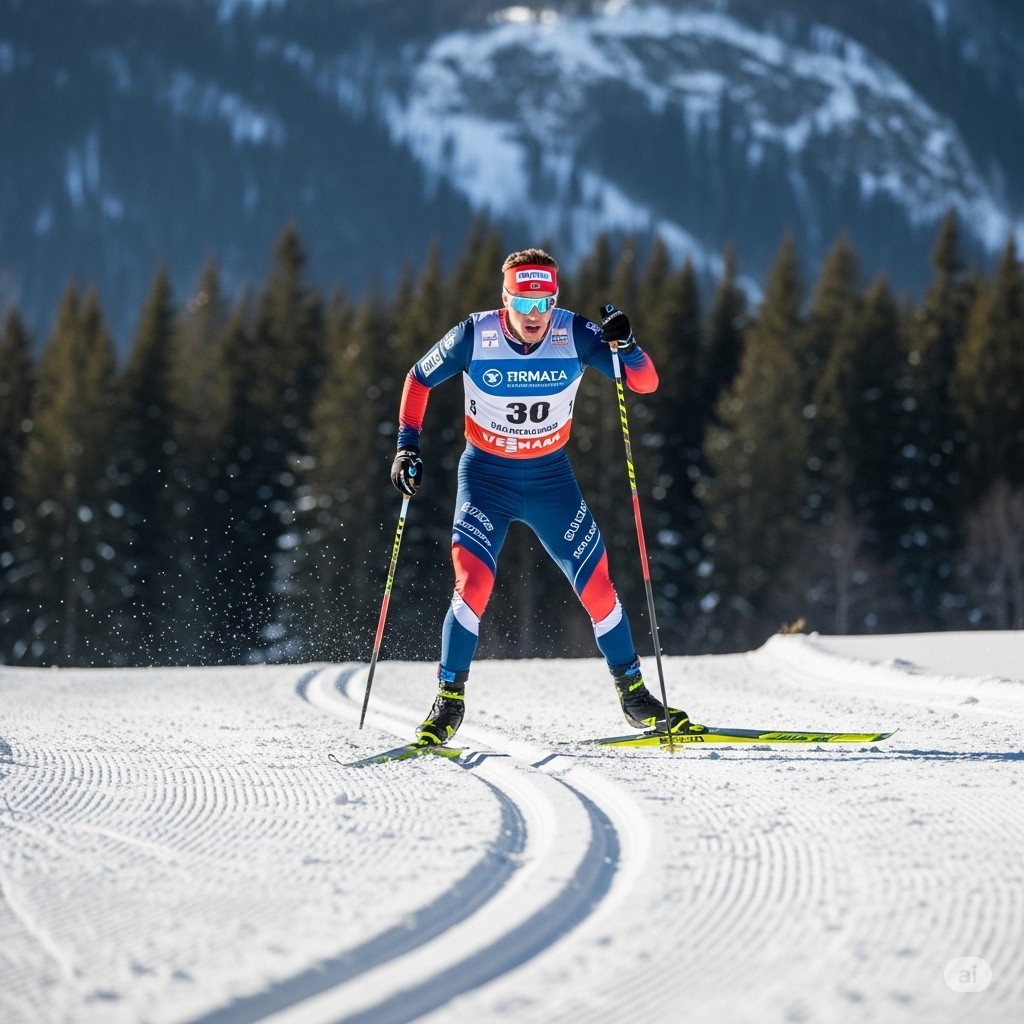
The Enduring Appeal of Cross Country Skiing: A Global Glimpse Into History, Culture, and Competition
Cross Country Skiing offers more than just winter exercise. It connects people to nature, tradition, and endurance. Across the globe, millions participate in this elegant and physically demanding sport. Cross Country Skiing combines aerobic power, technical skill, and mental strength. The sport serves amateurs, youth, and professionals alike. With deep historical roots and modern global appeal, Cross Country Skiing continues to thrive.
A Deep Dive Into the Origins of Cross Country Skiing
Cross Country Skiing began thousands of years ago. Early evidence dates back to prehistoric times in Scandinavia. Rock carvings in Norway, over 5,000 years old, show figures gliding on primitive skis. These early skis weren’t built for sport. Instead, they helped people travel and hunt during snowy winters.
By the Middle Ages, skiing was part of military life. Scandinavian armies trained with skis for fast movement across snowfields. This practical use evolved over time. By the 18th and 19th centuries, skiing grew beyond utility. It became a recreational activity and a form of competition.
Norway is widely considered the birthplace of modern Cross Country Skiing. The first public ski race occurred in 1843 near Oslo. In 1877, the world’s first ski club, the Trysil Rifle and Ski Club, formed. These developments laid the groundwork for formal competitions.
Global Popularity and Participation
Today, Cross Country Skiing spans continents. Countries with snowy winters tend to lead the way. Scandinavia, Russia, Canada, and the Alps region dominate in both participation and performance.
In Norway and Sweden, skiing is part of national identity. Schools integrate it into physical education programs. Families ski together during long winters. In Finland, tracks crisscross forests and towns, linking communities through snow.
Central Europe boasts a rich skiing tradition. Countries like Germany, Austria, and Switzerland maintain extensive networks of trails. The Alps host thousands of amateur and professional skiers every year.
In North America, Canada and the northern United States promote the sport. Canada has built ski parks and urban trails to support urban participation. In the U.S., Minnesota, Vermont, and Alaska have strong amateur circuits.
Asian countries like Japan and China have joined the scene. Japan has invested in ski tourism and local competitions. China expanded its winter sports programs, especially ahead of the 2022 Winter Olympics.
Amateur Involvement: Youth and School Programs
Youth involvement starts early in many regions. Schools include skiing in gym curricula in snowy areas. Cross Country Skiing clubs for children offer weekly training and local races. These programs emphasize fitness, teamwork, and respect for nature.
Scandinavian countries lead in youth development. Norway’s “Skiforeningen” and similar organizations provide instruction and support. Programs like “Barnas Skidag” encourage kids through fun events and races.
In North America, the U.S. Ski and Snowboard Association runs youth programs. Community clubs provide affordable access to equipment and coaching. High school skiing thrives in states with reliable snow.
Canada’s “Jackrabbit” program introduces skiing to young children. Designed to be fun and inclusive, it teaches skills gradually. By the time athletes reach their teens, many have years of experience.
In Asia, ski schools have expanded. Chinese investment has led to an increase in ski training academies. Japan’s mountainous terrain provides ample opportunity for youth skiing.
Professional Leagues and Global Competitions
Cross Country Skiing features prominently in international sports. The FIS (International Ski Federation) governs professional competition. The World Cup series is the sport’s primary circuit.
The World Cup runs annually from November through March. Events occur across Europe, North America, and Asia. Athletes compete in disciplines such as sprint, pursuit, and mass start.
The Winter Olympics remains the most prestigious stage. Cross Country Skiing has been a staple since 1924. Men and women now compete equally in multiple distances and styles.
Other major events include the World Championships, held every two years. The Tour de Ski, inspired by cycling’s Tour de France, adds excitement with a multi-stage format.
Professional skiers often begin in junior and national-level events. Countries like Norway, Sweden, and Russia have strong domestic circuits. These feed talent into the international ranks.
Sponsorship and media exposure have increased. Networks broadcast events globally. Top athletes gain endorsements and attract large audiences.
Social and Political Significance
Cross Country Skiing holds a special place in society. In some countries, it symbolizes heritage and national pride. Norway, for instance, views skiing as a cultural cornerstone. It features in national holidays and local folklore.
Skiing also fosters community cohesion. Local races and ski festivals bring people together. Events like Sweden’s Vasaloppet draw thousands of participants and spectators. They create economic and social benefits for host towns.
Politically, the sport has played subtle roles. During the Cold War, skiing events between Soviet and Western athletes carried symbolic weight. More recently, countries use winter sports success to project soft power.
In China, skiing development aligns with broader policy goals. It promotes tourism, environmental awareness, and international prestige. Government-backed initiatives aim to create millions of new winter sports participants.
Socially, Cross Country Skiing promotes healthy lifestyles. It encourages outdoor activity and environmental stewardship. Skiers often become advocates for sustainable land use and trail maintenance.
Detailed Rules and Competition Structure
Cross Country Skiing includes several race formats. Each requires different strategies and skills. The sport tests endurance, speed, and technique.
Races fall into two main techniques: classic and freestyle. Classic skiing uses a straight-ahead motion within machine-groomed tracks. Freestyle, or skating, resembles ice skating and allows more lateral movement.
Distances range from short sprints to marathons over 50 kilometers. Events include:
- Individual Start: Skiers begin at intervals. Fastest overall time wins.
- Mass Start: All competitors start simultaneously.
- Pursuit: Combines classic and freestyle. Skiers switch techniques mid-race.
- Relay: Teams of four take turns skiing. Each skier completes a segment.
- Sprint: Short races with heats and finals.
Time penalties apply for missed checkpoints or infractions. Skiers must stay within set boundaries and follow specific waxing rules.
Each race has elevation profiles and terrain types. Athletes prepare differently for climbs, descents, and flats. Equipment choices, like ski length and wax, affect performance.
Judges monitor form and adherence to rules. Technological tools help track progress and ensure fairness. Electronic timing and GPS enhance the viewing experience.
The Resilient Future of Cross Country Skiing
Despite challenges like climate change, the sport adapts. Artificial snow and early-season training camps sustain competition. Innovations in equipment improve performance and reduce environmental impact.
Clubs, schools, and national programs invest in youth. This ensures the next generation of skiers. Outreach efforts bring skiing to new communities and diverse populations.
Global events inspire participation. Watching elite athletes push their limits energizes amateurs. Local clubs see spikes in interest after televised races.
Tourism benefits too. Cross Country Skiing destinations attract eco-conscious travelers. Resorts expand trails and offer ski packages for all skill levels.
Technology aids growth. Apps track performance and suggest routes. Virtual races connect skiers across the globe.
Ultimately, Cross Country Skiing endures because of its values. It rewards persistence, celebrates nature, and brings people together. As both sport and lifestyle, it continues to evolve and inspire.
Whether on remote mountain paths or urban trails, Cross Country Skiing leaves a lasting impression. Its legacy grows with each glide forward.