
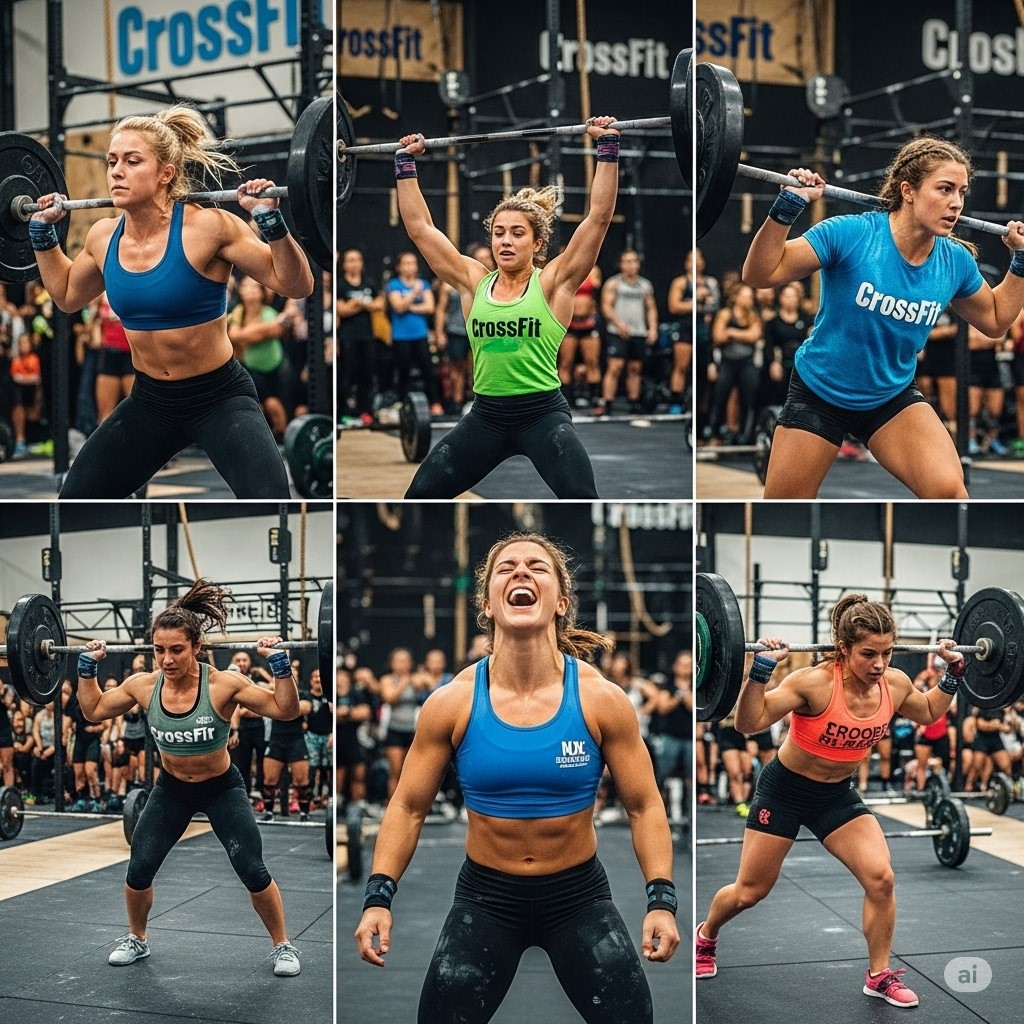
It has grown into a global fitness phenomenon. This sport blends functional movements with high intensity. Moreover, it attracts diverse athletes worldwide. The Crossfit community fosters tough training and supportive culture. Furthermore, Crossfit programming challenges strength, endurance, and agility. Additionally, events showcase top athlete performance in dynamic workouts.
Origin and History of Crossfit
Firstly, the roots trace back to the late 1990s in California. Greg Glassman, a former gymnast, developed varied functional exercises. Consequently, he aimed to improve general fitness and athletic proficiency. In 2000, Glassman and Lauren Jenai officially founded Crossfit, Inc. Moreover, they opened the first gym in Santa Cruz, California. Over time, it grew through modular workouts called WODs. These WODs combined weightlifting, gymnastics, and cardio routines. Gradually, enthusiasts around the U.S. adopted the model. By 2005, it started holding regional training camps. Furthermore, the Crossfit Journal launched to share methodology and research. Despite early skepticism, it demonstrated measurable fitness gains. As a result, affiliates began appearing internationally by 2007. Today, Crossfit history reflects rapid evolution and community engagement.
Global Popularity and Geography
Moreover, it now spans over 160 countries. In North America, thousands of affiliates train daily. Similarly, Europe hosts robust communities in France, Germany, and the U.K. In Asia, it grows in China, Japan, and India. Furthermore, Australia and New Zealand feature strong Crossfit cultures. Additionally, South America has thriving affiliates in Brazil and Argentina. Meanwhile, Africa sees emerging hubs in South Africa and Egypt. Consequently, global events draw competitors from every continent. Geographic diversity showcases Crossfit’s universal appeal. Although climates and cultures vary widely, athletes share common WOD routines. Therefore, it transcends language and border barriers. As a result, community camaraderie remains a defining feature worldwide.
Amateur Crossfit: Youth and Schools
Furthermore, youth programs emphasize safe training for children. Many affiliates offer kids classes. These classes adapt WODs to age-appropriate movements. Moreover, school-based programs integrate it into physical education. Consequently, students develop strength, agility, and confidence early. Additionally, events like the Junior Crossfit Games highlight young talent. These games feature scaled workouts for ages 14 to 18. Meanwhile, college clubs enable students to train and compete regionally. Generally, amateur Crossfit stresses proper technique and injury prevention. Moreover, coaches must complete Crossfit Level 1 certification before teaching minors. Therefore, safety protocols guide equipment use and workout intensity. Ultimately, youth involvement fosters lifelong fitness habits.
Professional Crossfit Leagues
In addition, professional competition has evolved. The Crossfit Open began in 2011. It attracted hundreds of thousands of participants globally. Subsequently, the top athletes advanced to Regionals. Regionals tested skills across multiple events in various locations. Then, the fittest individuals qualified for the Crossfit Games. Since 2007, the Crossfit Games crowns the “Fittest on Earth.” Moreover, independent leagues like the Dubai Fitness Championship emerged. Similarly, the Rogue Invitational showcases elite performance in custom events. Furthermore, national series in Europe and Australia highlight local pros. Additionally, team divisions provide alternate competitive formats. These leagues collaborate with sponsors and broadcasters. Consequently, professional Crossfit now features live streaming and large prize purses.
Political and Social Significance
Additionally, it holds social and political implications. For instance, many law enforcement agencies adopt Crossfit training. Consequently, communities view it as functional preparation for public service. Similarly, military units incorporate Crossfit methodology into boot camps. Furthermore, Crossfit’s inclusive messaging reaches diverse demographics. Therefore, it helps break stereotypes about fitness abilities. Moreover, some local governments sponsor Crossfit events to boost tourism. Meanwhile, health organizations partner with Crossfit affiliates for intervention programs. These partnerships target obesity and heart disease prevention. Consequently, it transcends simple exercise trends. On the political front, debates around health funding sometimes reference Crossfit’s preventive benefits. Thus, it indirectly influences public health policy discussions.
Rules of Crossfit
Finally, rules ensure fair and safe competition. Each event defines specific movement standards. For instance, a thruster requires a full squat and locked-out press overhead. Moreover, a pull-up demand chest-to-bar height. Additionally, time caps impose maximum workout durations. Judges enforce strict form and penalize faults. Furthermore, athletes must wear approved gear only. These rules vary by level: Open, Regional, or Games. Generally, judges receive formal training before officiating. Consequently, competition integrity remains high. Moreover, detailed scorecards track repetitions and finishing times. Therefore, transparency guides athlete rankings and prize awards.
Conclusion
In summary, it has transformed fitness culture worldwide. From humble origins in California, it now thrives globally. More importantly, it supports youth, professionals, and recreational athletes alike. Additionally, it carries social and political weight in health debates. Finally, clear rules maintain fairness in competition. As Crossfit continues evolving, its impact on sport and society endures.