
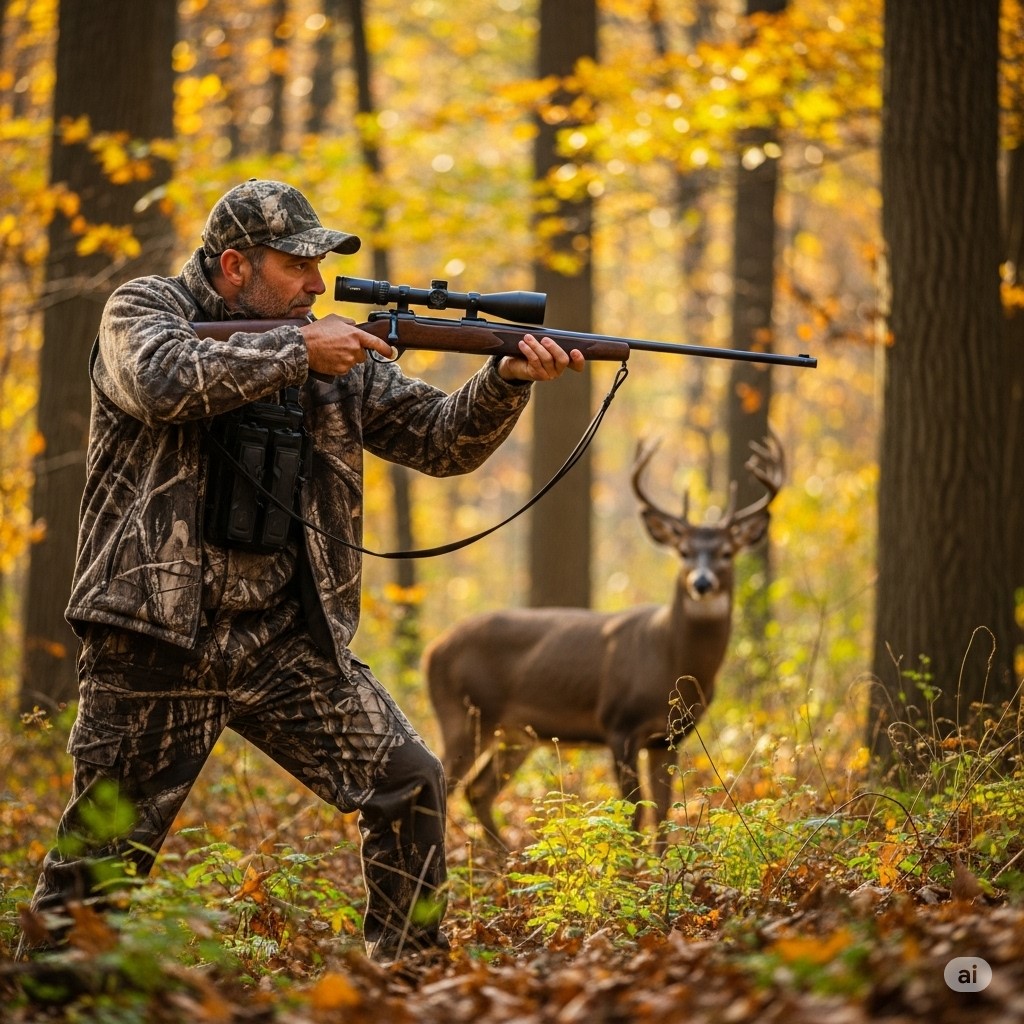
The Enduring Allure of Deer Hunting: A Global Tradition and Evolving Sport
Deer Hunting has captivated enthusiasts for centuries. From its early origins to modern professional leagues, it remains a dynamic pursuit. Hunters around the globe engage in this sport for tradition, challenge, and sustainability. In this post, we will explore the deep roots of Deer Hunting, its global reach, amateur involvement, professional scene, and its political and social implications. Let us dive into the world of Deer Hunting and uncover what keeps it so compelling.
The Origins and History of Deer Hunting
Humans have hunted deer for over 20,000 years. In the Paleolithic era, it served as a means of survival. Tribes relied on deer meat for food, hides for clothing, and antlers for tools. Over time, hunting evolved from a necessity to a cultural tradition.
During the Middle Ages in Europe, deer hunting became a sport of the elite. Nobles and kings used it to demonstrate power and prestige. Hunting grounds were exclusive, and commoners faced punishment for poaching. The practice symbolized authority and was embedded in aristocratic culture.
In North America, indigenous peoples practiced sustainable deer hunting. They respected wildlife and maintained ecological balance. European settlers adopted and expanded these traditions. By the 19th century, the sport had become widespread, especially in rural communities.
Technological advancements like rifles and scopes improved accuracy and efficiency. Simultaneously, conservation efforts arose to prevent overhunting. Influential figures such as Theodore Roosevelt championed wildlife preservation. Thus, deer hunting evolved into a sport that valued ethics and sustainability.
Deer Hunting’s Global Popularity
Deer Hunting is not confined to one region. Across continents, it enjoys popularity among various cultures. North America, particularly the United States and Canada, leads in participation. Millions of hunters take to the woods during the fall season.
In the United States, states like Texas, Pennsylvania, and Wisconsin have large hunting populations. Each year, the opening of hunting season draws massive attention. Families, friends, and communities gather for the annual tradition.
Canada also boasts a rich deer hunting culture. Hunters pursue species such as white-tailed deer and mule deer. Provincial regulations maintain sustainable populations. Additionally, First Nations people continue traditional hunting practices.
Europe holds a long-standing deer hunting tradition. Countries like Germany, Scotland, and Sweden maintain managed hunts. In these regions, red deer and roe deer are popular game. Regulations ensure ethical standards and ecological harmony.
New Zealand and Australia offer unique experiences. Non-native deer species thrive in these countries. Hunters help manage invasive populations while enjoying the sport. Organized hunts and tourism attract enthusiasts from around the world.
In Asia, countries like Japan and Russia allow regulated hunting. Siberia’s vast wilderness provides excellent hunting terrain. Meanwhile, Japan balances tradition with conservation, especially in rural areas.
Amateur Deer Hunting: Youth and Community Involvement
Amateur Deer Hunting plays a critical role in maintaining the sport’s vitality. In many countries, programs introduce young people to safe and ethical hunting. Families often pass down skills through generations.
In the United States, youth hunting programs are widespread. Organizations like 4-H and the National Wild Turkey Federation offer education. They teach firearm safety, wildlife identification, and conservation ethics. Many states have special youth hunting days to encourage participation.
Schools sometimes include outdoor education in their curriculum. These programs cover hunting safety, tracking techniques, and environmental awareness. Field trips and simulations make learning engaging and practical.
Community events also foster amateur involvement. Local hunting clubs host workshops, mentorship programs, and seasonal hunts. These gatherings build camaraderie and reinforce ethical standards.
In Europe, traditional hunting is passed down through apprenticeships. Young hunters must complete rigorous training and pass exams. This ensures a strong foundation in safety, regulations, and wildlife management.
New Zealand promotes amateur hunting through public land access. Beginners can hunt without expensive licenses or private land access. Online resources and community support guide newcomers.
Professional Leagues and Competitive Hunting
While Deer Hunting is mostly recreational, a professional scene has developed. Competitive deer hunting is less common than other shooting sports, but it exists in niche forms.
Events such as the World Deer Expo and the Big Buck World Championship draw large crowds. These competitions focus on antler size, hunting skill, and ethical standards. Participants must adhere to strict rules and often submit their harvests for scoring.
Television shows and online platforms highlight expert hunters. Professional hunters showcase skills, educate audiences, and promote conservation. Their sponsorships and endorsements form a semi-professional industry.
Guided hunts also feature professional elements. Outfitters employ experienced hunters to lead clients on expeditions. These guides must master tracking, field dressing, and safety protocols. Though not leagues in the traditional sense, they contribute to a professional framework.
In Europe, some hunters hold certifications and licenses akin to professional credentials. Germany’s rigorous hunting exam includes written tests and practical assessments. Successful hunters gain recognition and sometimes employment in game management.
Although a fully-fledged global league system does not exist, the professional aspects of Deer Hunting continue to grow. Media coverage, sponsorship, and education push the sport toward greater recognition.
Political and Social Significance
Deer Hunting carries weight beyond recreation. Politically, it intersects with land rights, gun control, and conservation policies. Many regions legislate hunting seasons, limits, and methods.
In the United States, hunting is a major political issue. Advocacy groups like the NRA and Ducks Unlimited lobby for hunters’ rights. Legislation often reflects a balance between public safety and sporting freedoms.
Land use policies also come into play. Access to public lands for hunting is a heated topic. Some advocate for expanded access, while others prioritize preservation.
Socially, deer hunting fosters community bonds. Hunting camps, family traditions, and local festivals reinforce social ties. These gatherings support mental health, especially in rural areas.
Cultural identity often includes hunting. For indigenous groups, deer hunting connects past and present. It sustains traditions and reinforces respect for nature.
In Europe, hunting societies maintain historical practices. These groups often participate in conservation and community events. They preserve cultural heritage through ceremonies and rituals.
The sport also influences rural economies. Hunting tourism brings revenue to small towns. Outfitters, gear shops, and lodges benefit from seasonal influxes.
Rules and Ethics of Deer Hunting
Deer Hunting follows strict rules to ensure safety and sustainability. Regulations vary by country and region. However, core principles remain consistent.
Licensing is usually required. Hunters must complete safety courses and obtain permits. Tags or quotas limit the number of deer harvested per season.
Seasons are timed to avoid mating and nurturing periods. This protects population health. Many regions allow only certain weapons during specific times.
Ethical hunting emphasizes a clean, humane kill. Hunters train for accuracy and control. Tracking and recovering wounded animals is mandatory.
Baiting and spotlighting are often restricted or banned. These practices can give unfair advantages or harm ecosystems.
Firearm safety is paramount. Hunters wear blaze orange for visibility. Tree stands must be secure. Muzzle control and trigger discipline are taught and enforced.
Respect for private property is vital. Hunters must seek permission to enter land. Violations lead to legal consequences.
Conservation laws protect endangered species and habitats. Ethical hunters support these efforts. Many participate in habitat restoration and wildlife monitoring.
Conclusion
Deer Hunting is more than a pastime. It represents tradition, community, and environmental stewardship. With ancient roots and global appeal, it continues to evolve. Amateur and professional hunters alike find joy, purpose, and challenge in the sport.
As societies grow more urban, maintaining this heritage becomes crucial. Education, ethical practice, and conservation will guide the future. Deer Hunting will remain a vital thread in the fabric of global outdoor culture.