
Dinghy Sailing: A Complete Guide to the Sport’s History, Popularity, Rules, and Cultural Impact
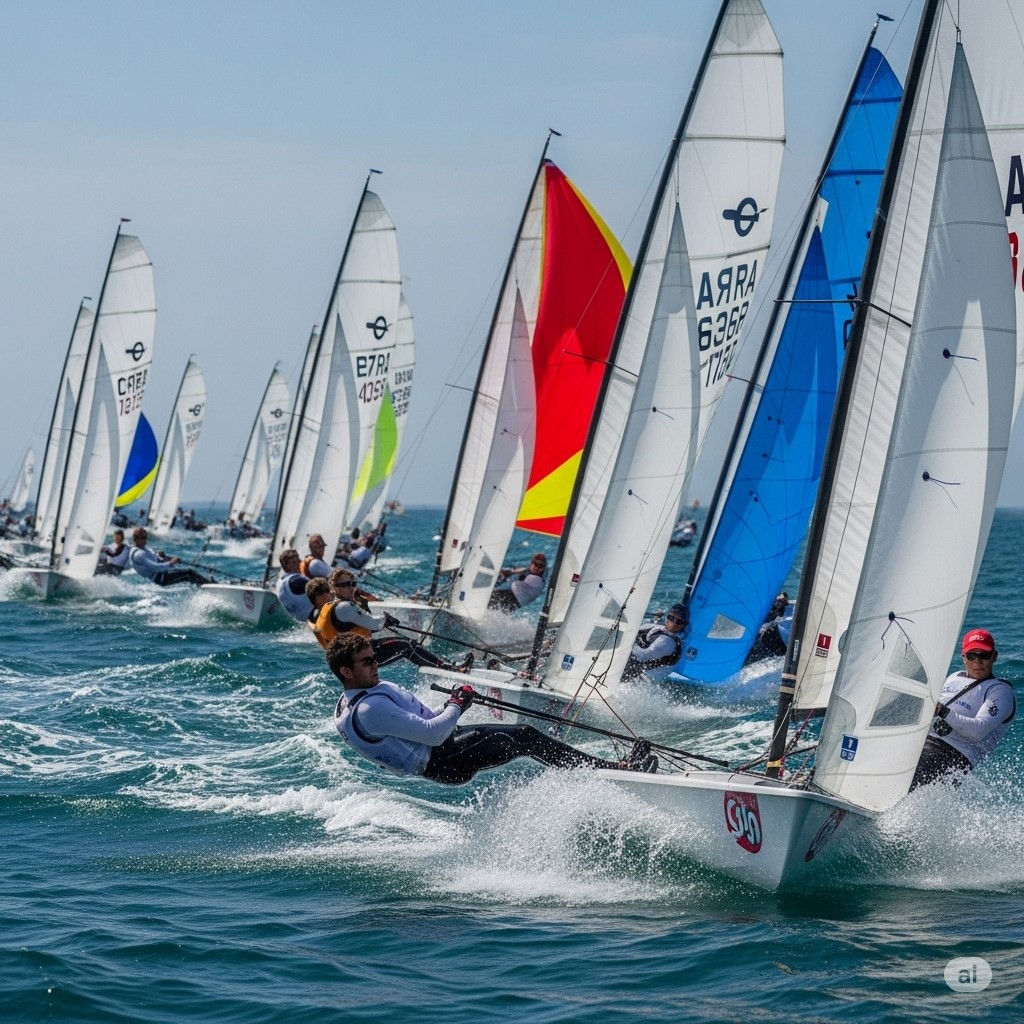
Dinghy Sailing is an exhilarating water sport that combines skill, strategy, and nature. Sailors harness wind power to glide across water in small, maneuverable boats called dinghies. These crafts allow individuals and teams to experience speed, freedom, and competitive racing. Dinghy Sailing has a rich history, widespread global participation, and a significant cultural footprint. It plays an important role in youth development, recreational activities, and professional sporting events. In this blog post, we explore the sport’s origin, global reach, amateur and professional scenes, social importance, and fundamental rules.
The Origins and History of Dinghy Sailing
The origins of Dinghy Sailing date back to the 17th century. At that time, small boats were mainly used for transporting goods and people from ships to shore. These crafts, known as “ship’s dinghies,” were simple rowboats.
By the 19th century, leisure sailing grew in popularity. Wealthy Europeans began using dinghies for recreation. The sport evolved quickly, with advances in boat design and materials. In 1887, Thomas Middleton introduced the first purpose-built sailing dinghy, the Water Wag, in Ireland. It sparked the sport’s transformation.
During the early 20th century, sailing clubs began organizing races for dinghies. The International 14 class, designed in 1928, became one of the first standardized dinghy classes. This move promoted fairness and competition.
World War II brought technological advancements, including lightweight materials like aluminum and fiberglass. Post-war, these innovations made dinghies more accessible. Sailors across Europe, North America, and Australia embraced the sport. Dinghy Sailing grew steadily in popularity.
The inclusion of dinghies in the Olympics further legitimized the sport. The Finn class made its Olympic debut in 1952. The Laser and 470 classes followed in the 1970s. These events showcased dinghy racing to a global audience.
Global Popularity and Regional Trends
Dinghy Sailing enjoys popularity across all continents. It thrives in countries with strong maritime traditions and access to lakes or coastal areas.
In Europe, the United Kingdom leads in participation. The Royal Yachting Association supports numerous training programs and regattas. France, Germany, and the Netherlands also maintain robust sailing communities.
In North America, the United States and Canada offer vast waterways ideal for dinghy sailing. The US Sailing Association organizes youth, collegiate, and adult racing programs. Canada emphasizes sailing education through regional clubs.
Australia and New Zealand feature world-class sailors and vibrant sailing cultures. Dinghy Sailing is often introduced at a young age, especially near coastal cities.
In Asia, Japan and Singapore have invested heavily in sailing infrastructure. India and China are emerging in the international sailing scene, developing new talent and hosting major events.
African nations like South Africa and Kenya promote sailing through youth outreach programs. Latin American countries such as Brazil, Argentina, and Chile feature active fleets and Olympic contenders.
International sailing events like the ISAF World Sailing Championships and the Olympics keep the sport in the public eye. Dinghy Sailing continues to grow in emerging economies, driven by affordable equipment and community support.
How Amateur Dinghy Sailing Works
Amateur Dinghy Sailing is accessible to individuals of all ages and skill levels. Local clubs serve as the backbone of the amateur scene. They provide instruction, boat rentals, and racing opportunities.
Beginners usually start with basic courses covering boat handling, safety, and sailing theory. Instructors use stable training boats like the Optimist, Topper, or RS Tera. These boats are ideal for learning.
Many clubs host regular club races. These races allow sailors to practice techniques and build confidence. Participants develop seamanship and a love for the sport.
Youth sailing programs are especially important. Schools often partner with sailing clubs to offer structured lessons. In the UK, the RYA’s OnBoard program introduces children aged 8–18 to the sport. In the US, the Junior Sailing Association operates summer camps and competitions.
Collegiate sailing is also vital. Universities compete in intercollegiate regattas, fostering teamwork and competitive spirit. College sailing acts as a bridge between youth programs and professional careers.
Community sailing centers make the sport more inclusive. These centers aim to remove financial barriers. They loan equipment, offer scholarships, and promote diversity.
Amateur sailors often participate in regional or national championships. Success at this level can lead to international representation. Passion and persistence are key to advancement.
Professional Leagues and Competitions
Professional Dinghy Sailing is highly competitive and features elite sailors from around the world. These athletes train year-round and compete in prestigious events.
The Olympics remains the sport’s pinnacle. Events include classes like Laser, 470, 49er, and Nacra 17. Olympic sailors undergo rigorous qualification processes. National sailing federations provide support and funding.
The International Sailing Federation (World Sailing) governs professional competitions. It oversees rules, safety standards, and rankings. Sailors accumulate points through the World Cup Series, which determines international rankings.
The World Championships are another major highlight. Each dinghy class has its own championship. Winning these events often leads to Olympic selection.
The SailGP and SSL Gold Cup feature high-speed foiling dinghies and teams from multiple nations. These events attract sponsorship and media coverage. They help promote the sport to a broader audience.
Several countries maintain professional sailing leagues. For example, the UK has the British Sailing Team. Australia runs the Australian Sailing Team. These teams develop athletes from grassroots to elite levels.
Sponsorship is crucial for professional sailors. Brands like Musto, Helly Hansen, and Zhik support athletes with gear and funding. Professional sailors often work as coaches or brand ambassadors during the off-season.
Political and Social Significance
Dinghy Sailing holds considerable social and political value. It fosters inclusion, environmental stewardship, and youth development.
Many organizations use sailing to empower disadvantaged communities. Programs like Sail Africa in South Africa and the Andrew Simpson Foundation in the UK provide access to sailing for underprivileged youth. These initiatives build confidence and leadership skills.
The sport promotes gender equality. Mixed-gender events and female-only regattas encourage participation across demographics. Role models like Hannah Mills and Marit Bouwmeester inspire the next generation.
Environmentally, Dinghy Sailing raises awareness about marine conservation. Sailors develop a deep respect for natural waters. Regattas often incorporate beach clean-ups and educational campaigns.
Sailing can also reflect political statements. Historical events, like the 1980 Olympic boycott, affected dinghy sailing teams. Today, global conflicts and sanctions can impact athlete participation.
National pride plays a major role. Success at international events boosts a country’s profile. Governments often invest in sailing infrastructure for tourism and sports development.
Socially, the sport brings communities together. Club regattas, festivals, and sailing weeks promote camaraderie. These events support local economies and preserve maritime traditions.
Rules of Dinghy Sailing
Dinghy Sailing follows a structured set of rules designed to ensure fair and safe competition. World Sailing maintains these rules and updates them every four years.
The basic rules involve right of way. Boats on starboard tack have priority over those on port tack. Windward boats must keep clear of leeward boats.
Starting procedures are critical. Races begin with a countdown and flag signals. Boats must cross the starting line after the signal. Premature starts can lead to disqualification.
Courses are marked by buoys. Sailors must round marks in the correct sequence and direction. Missing a mark results in penalties.
Protests and penalties are part of competitive racing. If a rule is broken, a boat must complete a 360- or 720-degree turn. Formal protests are reviewed by a jury.
Safety rules require all sailors to wear personal flotation devices. Boats must carry essential safety equipment. Organizers may cancel races during severe weather.
Scoring is based on finishing position. Low points are better. A sailor’s total score across multiple races determines their ranking.
Communication between boats is limited. Unsportsmanlike conduct can lead to penalties. Respect and integrity are fundamental.
Different classes may have unique class rules. These include specifications for boat dimensions, sail types, and crew weight. Compliance ensures fairness and performance parity.
Understanding and applying the rules is essential. Sailors often study the Racing Rules of Sailing and attend seminars.
Conclusion
Dinghy Sailing is more than a sport—it is a way of life. Its history spans centuries, yet it remains fresh and dynamic. Participation extends from local ponds to Olympic waters. Both amateurs and professionals find joy and challenge in the sport. It supports youth development, gender equality, and environmental stewardship.
Global participation continues to grow. From schools to elite competitions, Dinghy Sailing provides opportunities for personal growth and international recognition. The rules, though technical, offer structure and safety. Community, tradition, and innovation coexist on every course.
Whether you are a seasoned racer or a curious beginner, the world of Dinghy Sailing offers endless horizons. Grab a lifejacket, feel the wind, and set sail into an extraordinary sport.