
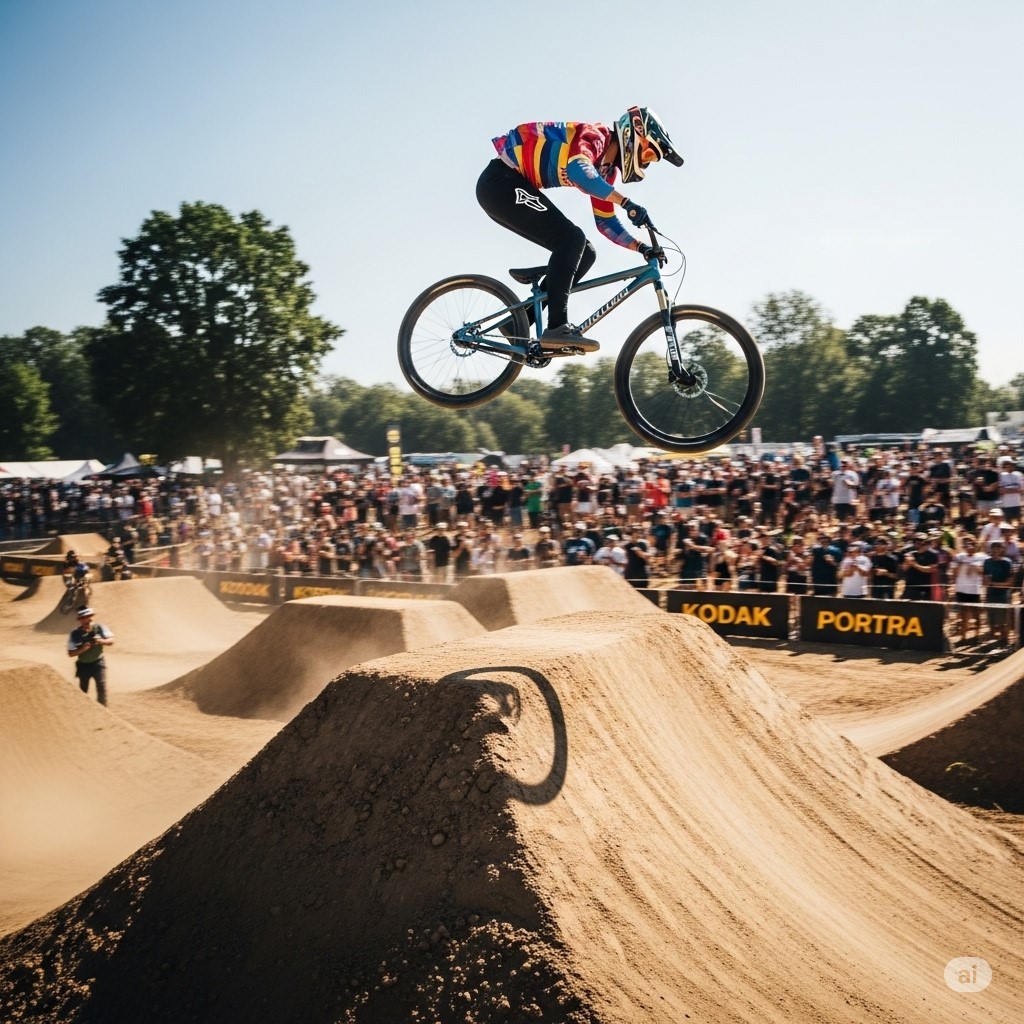
Dirt Jumping: The Thrilling Sport Taking the World by Storm
Dirt Jumping has grown from humble beginnings into a high-octane sport celebrated around the globe. Its roots are deep in biking culture, yet its branches now stretch into youth communities, professional leagues, and social activism. With jaw-dropping stunts and fast-paced competition, Dirt Jumping continues to attract athletes and spectators alike. This blog dives into the sport’s rich history, its current global popularity, grassroots movements, professional circuits, cultural relevance, and rules.
The Origins and History of Dirt Jumping
The roots of Dirt Jumping trace back to the early 1980s in Southern California. BMX riders began modifying their dirt tracks, creating larger jumps and steeper ramps. Inspired by motocross, these pioneers wanted to test the limits of what could be done on a bicycle.
As mountain bikes evolved, riders saw more potential for airborne tricks. During the 1990s, bike designs adapted. Stronger frames and suspension systems enabled higher, more complex jumps. This gave birth to Dirt Jumping as its own discipline.
Throughout the early 2000s, dedicated Dirt Jumping parks emerged. Riders started shaping intricate courses with multiple jump lines, berms, and rhythm sections. Events like Red Bull District Ride and Crankworx helped push the sport into the spotlight.
Today, Dirt Jumping exists as a cornerstone of freestyle biking. It remains distinct from BMX racing or downhill biking due to its unique focus on aerial performance.
Global Popularity of Dirt Jumping
Dirt Jumping enjoys massive popularity worldwide. North America leads the scene with famous parks in California, Colorado, and British Columbia. Europe also boasts a thriving culture, particularly in the UK, France, and Germany.
Australia and New Zealand have rapidly grown their Dirt Jumping communities. Riders from these nations often dominate international competitions. South America, especially Brazil and Chile, has also seen growth.
Even in Asia, a continent traditionally less associated with extreme biking, the sport is emerging. Cities like Tokyo, Seoul, and Bangkok now host annual Dirt Jumping events. These regions invest in infrastructure and talent development.
Social media fuels the sport’s visibility. Platforms like Instagram, YouTube, and TikTok allow riders to share tricks and builds. This exposure brings global attention and builds international fan bases.
Youth and Amateur Dirt Jumping
Grassroots development is essential to any sport, and Dirt Jumping is no exception. Across the world, young riders are taking to dirt tracks. Youth programs and school initiatives introduce them to safe riding techniques.
In North America, nonprofit organizations create youth bike parks and offer coaching. Many schools partner with biking clubs to provide after-school programs. These initiatives make the sport accessible to diverse communities.
In Europe, amateur leagues flourish. Towns and cities invest in bike parks where young riders hone their skills. National biking federations support youth events that feed into higher-level competitions.
Australia’s approach is also commendable. Community programs focus on safety, fun, and technique. Young riders often start in pump tracks before progressing to dirt jumps. This gradual learning curve promotes confidence.
Amateur events are often held in local parks. Riders compete in age-based categories. Prizes range from gear and sponsorship deals to entry into regional qualifiers.
By fostering young talent early, countries ensure a pipeline of future professional athletes. Importantly, these programs emphasize sportsmanship and creativity.
Professional Dirt Jumping Leagues and Competitions
Professional Dirt Jumping has an established circuit with several high-profile competitions. Riders train year-round to qualify for major events.
One of the premier leagues is the FMB World Tour (Freeride Mountain Bike). This global series includes events in Europe, North America, and Oceania. Riders earn points based on performance and consistency.
Crankworx is another major platform. This annual festival travels to various international locations. It features a specific Dirt Jumping event called Slopestyle. Athletes compete for titles and sponsorships.
Red Bull events also play a vital role. Red Bull Joyride and Red Bull District Ride draw top riders. These contests blend creativity, technical skill, and crowd appeal.
Many national competitions serve as feeders into these global circuits. Countries like Germany, the USA, and Canada host national qualifiers. Winners often gain entry into the FMB World Tour.
Top riders become household names in the biking community. Sponsorships from brands like Red Bull, Trek, and Monster Energy offer financial stability. Professional Dirt Jumpers often collaborate with media outlets, increasing their reach.
Live streaming and television coverage expand viewership. Fans can watch competitions in real-time, increasing engagement and visibility.
Political and Social Significance of Dirt Jumping
Dirt Jumping carries more than just athletic appeal. Socially, it represents freedom, rebellion, and creativity. Many riders come from underserved communities where traditional sports are less accessible.
Community-built parks often arise in urban settings. Volunteers gather to build jumps, creating communal spaces. These parks reduce crime and offer positive outlets for youth energy.
Politically, the sport intersects with public policy on recreation and urban development. Advocates push for legal access to public land. In some cities, debates arise around park maintenance and safety.
Organizations like IMBA (International Mountain Bicycling Association) work with governments. They lobby for bike-friendly policies and land-use reforms.
Moreover, Dirt Jumping empowers marginalized groups. Women and nonbinary riders are increasingly visible. Events now feature separate categories, encouraging broader participation.
Environmental sustainability also comes into play. Many bike parks adopt eco-friendly practices. Builders use natural materials and avoid harming ecosystems. This aligns with growing global awareness about conservation.
The sport thus becomes a platform for activism. Riders use their influence to highlight issues like inclusivity, climate change, and urban renewal.
Rules and Structure of Dirt Jumping
Dirt Jumping has a loose structure compared to traditional sports, yet competitions follow standardized rules. These ensure fairness and safety.
Courses typically include multiple jumps, berms, and obstacles. Riders perform aerial tricks while moving from one jump to the next.
Judging criteria focus on several aspects:
- Amplitude: How high and far the rider jumps
- Style: The smoothness and aesthetic of tricks
- Difficulty: The technical complexity of each move
- Execution: Landing precision and control
- Flow: How well the rider links moves together
Most contests offer multiple runs. The best score from a single run usually counts. Riders must wear helmets, and additional gear is encouraged.
Some competitions use time as a factor. In others, only tricks matter. This depends on the event format.
Judges include former professionals and experienced riders. Their expertise ensures accurate scoring. Protests and disputes are rare due to the sport’s culture of respect.
Amateur rules mimic the professional ones but with added emphasis on safety. Organizers often host clinics before events to teach skills and regulations.
Conclusion
Dirt Jumping continues to evolve while staying true to its rebellious roots. It merges adrenaline, artistry, and athleticism into a captivating spectacle. From its grassroots origins in Southern California to its current global fame, the sport has come a long way.
Young riders gain confidence and skills through school and community programs. Professionals inspire audiences through mind-blowing stunts and global competitions. Meanwhile, the sport’s social and political impacts enrich communities and push for change.
With inclusive values and a dedication to sustainability, Dirt Jumping is more than just a sport. It is a culture, a movement, and a powerful force for good.
Whether you’re a rider, a fan, or a newcomer, one thing is certain. Dirt Jumping is here to stay, and its next chapter promises even greater thrills.