
Dirt Track Racing: A Global Phenomenon with Deep Roots and Cultural Significance
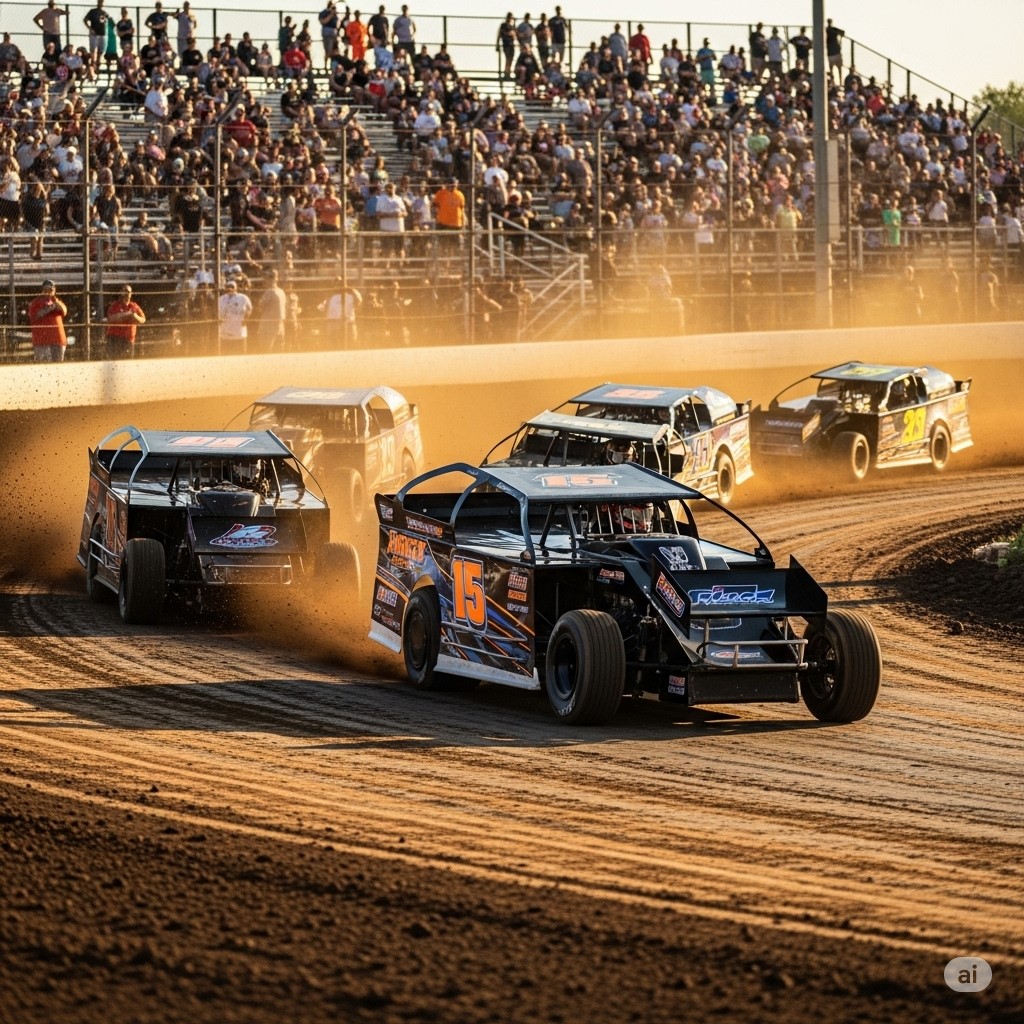
Dirt Track Racing has captivated fans for over a century. This thrilling motorsport blends speed, grit, and skill into an electrifying spectacle. It offers an accessible entry point for amateur racers and thrills crowds with professional-level competition. Around the globe, the sport continues to grow in both cultural and commercial value. Dirt Track Racing represents more than just competition; it reflects community spirit, technical prowess, and regional pride. From dusty ovals in rural America to high-speed circuits in Australia, the sport’s reach is impressive.
The Origins and History of Dirt Track Racing
The origins of Dirt Track Racing trace back to the early 1900s in the United States. Farmers often raced modified Model T Fords on makeshift tracks during local fairs. These events drew large crowds and quickly evolved into organized competitions. During the 1920s and 1930s, county fairgrounds became the main venues for races.
By the mid-20th century, stock car racing gained traction, particularly in the Southern U.S. The sport’s growth led to the creation of paved tracks, but many regions maintained their dirt tracks due to lower costs. Legendary drivers like Junior Johnson and Richard Petty started their careers on dirt, lending the sport credibility.
In the post-war era, technological advancements made vehicles faster and more powerful. Dirt Track Racing adapted by introducing new classes, including sprint cars and late models. Sanctioning bodies like the International Motor Contest Association (IMCA), established in 1915, formalized rules and safety protocols. This structure helped the sport flourish.
Throughout the decades, the sport spread beyond America. Countries such as Australia, New Zealand, and the UK embraced the format. Although each region developed its own style, the core spirit of competition remained intact.
Global Popularity of Dirt Track Racing
While the sport began in the U.S., Dirt Track Racing now boasts an international following. In Australia, it stands as one of the most popular forms of motorsport. Tracks in Queensland and New South Wales regularly host high-stakes events. Fans gather in large numbers, supporting drivers and local teams.
New Zealand also has a vibrant dirt racing culture. The New Zealand Superstock Championship attracts thousands of fans each year. Young drivers dream of winning this prestigious title, which showcases their skill on the track.
In the United Kingdom, shale and dirt ovals have long supported grassroots racing. Formula 1 Stock Car Racing and Banger Racing attract diverse crowds. Events often feature elaborate team strategies and intense rivalries, enhancing the entertainment value.
The United States remains the epicenter. Series such as the World of Outlaws and Lucas Oil Late Model Dirt Series draw major sponsors and media attention. Fans travel from multiple states to attend marquee events like the Knoxville Nationals and the Dirt Late Model Dream.
Canada, South Africa, and parts of Europe also support regional circuits. These regions organize local leagues, often blending their cultural elements into the sport. The accessibility of dirt tracks encourages participation from all economic backgrounds, boosting its global footprint.
Amateur Dirt Track Racing and Youth Involvement
Amateur Dirt Track Racing thrives worldwide. Many participants start young, often introduced to the sport by family members. Junior divisions like Quarter Midgets and Micro Sprints offer safe environments for kids to learn racing basics.
In the United States, youth racing is organized by clubs and associations such as USAC and INEX. These bodies set age brackets, safety standards, and rules. Kids as young as five begin with karts or small-scale sprint cars.
High schools in racing-friendly states include motorsport in their extracurricular programs. Some schools partner with local tracks, offering practical learning experiences. Students work on pit crews or assist in vehicle maintenance, gaining mechanical skills alongside racing experience.
In Australia and New Zealand, junior sedans and quarter midgets give young racers a starting point. Sanctioned races build discipline and sportsmanship while promoting technical knowledge. Many professional drivers begin their careers in these junior leagues.
The UK has a unique approach. Youth Banger Racing and Ministox divisions are popular among teenagers. Families often form teams, creating strong community bonds. These events balance excitement with educational opportunities in engineering and mechanics.
Professional Leagues and Notable Events
Professional Dirt Track Racing leagues operate across continents, offering structured competition and lucrative prizes. The World of Outlaws Sprint Car Series stands as the sport’s pinnacle. It features top drivers, extensive media coverage, and a demanding schedule.
The Lucas Oil Late Model Dirt Series focuses on high-powered stock cars. It tours major tracks across the United States and includes races with six-figure purses. Events like the Show-Me 100 and the Knoxville Nationals rank among the most prestigious.
In Australia, the Sprintcar Control Council of Australia governs professional racing. The Grand Annual Sprintcar Classic draws elite competitors and large crowds. This event serves as the Southern Hemisphere’s version of the Knoxville Nationals.
New Zealand hosts the Super Saloon and Superstock series. These races feature custom-built cars and are fiercely contested. National titles offer significant prestige, and many drivers compete internationally.
The UK’s BriSCA F1 and F2 Stock Car Racing leagues maintain strong followings. Events include full contact, raising excitement levels. Professional drivers enjoy sponsorship deals, televised coverage, and dedicated fan bases.
Technological innovation plays a key role in these leagues. Teams invest in aerodynamics, suspension, and tire technologies. Crew chiefs analyze data to fine-tune setups, giving drivers a competitive edge.
Political and Social Significance
Dirt Track Racing holds political and social relevance, especially in rural communities. Local tracks often serve as community hubs. They host not only races but also fundraisers, festivals, and public meetings. These venues foster regional identity and pride.
In the U.S., the sport represents working-class culture. Fans and participants value self-reliance, innovation, and family tradition. Politicians sometimes campaign at tracks, recognizing their influence in local politics.
Australia and New Zealand see similar patterns. Events bring together diverse groups, reinforcing social cohesion. Sponsorships from small businesses support local economies. Regional pride often fuels fierce competition between rival towns.
The UK’s racing scene supports youth development and vocational training. Programs encourage teenagers to learn mechanical skills, promoting career paths in engineering and automotive industries.
Environmental concerns have also entered the conversation. Some leagues adopt sustainability initiatives, like biofuels and noise regulations. These efforts balance community needs with environmental responsibility.
Overall, the sport reflects a blend of tradition and progress. It serves as both a cultural expression and a platform for innovation. Grassroots involvement and professional achievements coexist, making the sport socially dynamic.
Rules and Regulations of the Sport
Dirt Track Racing features a diverse set of rules, depending on vehicle class and region. However, several core principles apply across most formats.
Races typically take place on oval tracks made of clay, dirt, or shale. These tracks range from a quarter-mile to a mile in length. Most events include heats, semi-finals, and a feature race.
Drivers earn starting positions through time trials or heat race finishes. The fastest drivers start at the front of the main event. Points accumulate over a season to determine champions.
Different vehicle classes include Sprint Cars, Late Models, Modifieds, and Street Stocks. Each class has specific engine, weight, and suspension requirements. Sanctioning bodies enforce these rules strictly.
Safety regulations are critical. Drivers must wear helmets, fire suits, and neck restraints. Vehicles feature roll cages, fuel cells, and fire suppression systems. Tracks employ medical staff and safety crews.
Contact between cars is allowed in some formats but penalized in others. Officials review footage and issue penalties for dangerous behavior. Flag signals guide racers during events, ensuring smooth operation.
Technical inspections occur before and after races. Officials check weight, fuel, and mechanical components. Non-compliance leads to disqualification or point deductions.
In youth and amateur leagues, rules emphasize safety and skill development. Instructors and coaches guide new drivers through practice laps and workshops. This approach nurtures talent and builds a respectful racing culture.
Digital scoring systems, two-way radios, and GPS trackers modernize the sport. These technologies enhance transparency and real-time monitoring. Fans enjoy instant updates and interactive viewing experiences.
Conclusion
Dirt Track Racing remains a global sport deeply rooted in local traditions. From its humble beginnings on American farmlands to international circuits, it embodies passion and perseverance. The sport fosters community engagement, offers professional opportunities, and instills valuable life skills.
Amateurs and professionals alike find joy and challenge in the dirt. Nations continue to embrace and evolve the sport. As it grows, it preserves its heritage while embracing modern innovations.
For fans, participants, and communities, Dirt Track Racing delivers more than entertainment. It provides identity, opportunity, and a shared sense of purpose. The roar of engines on a dirt oval tells a story of unity, ambition, and enduring spirit.