
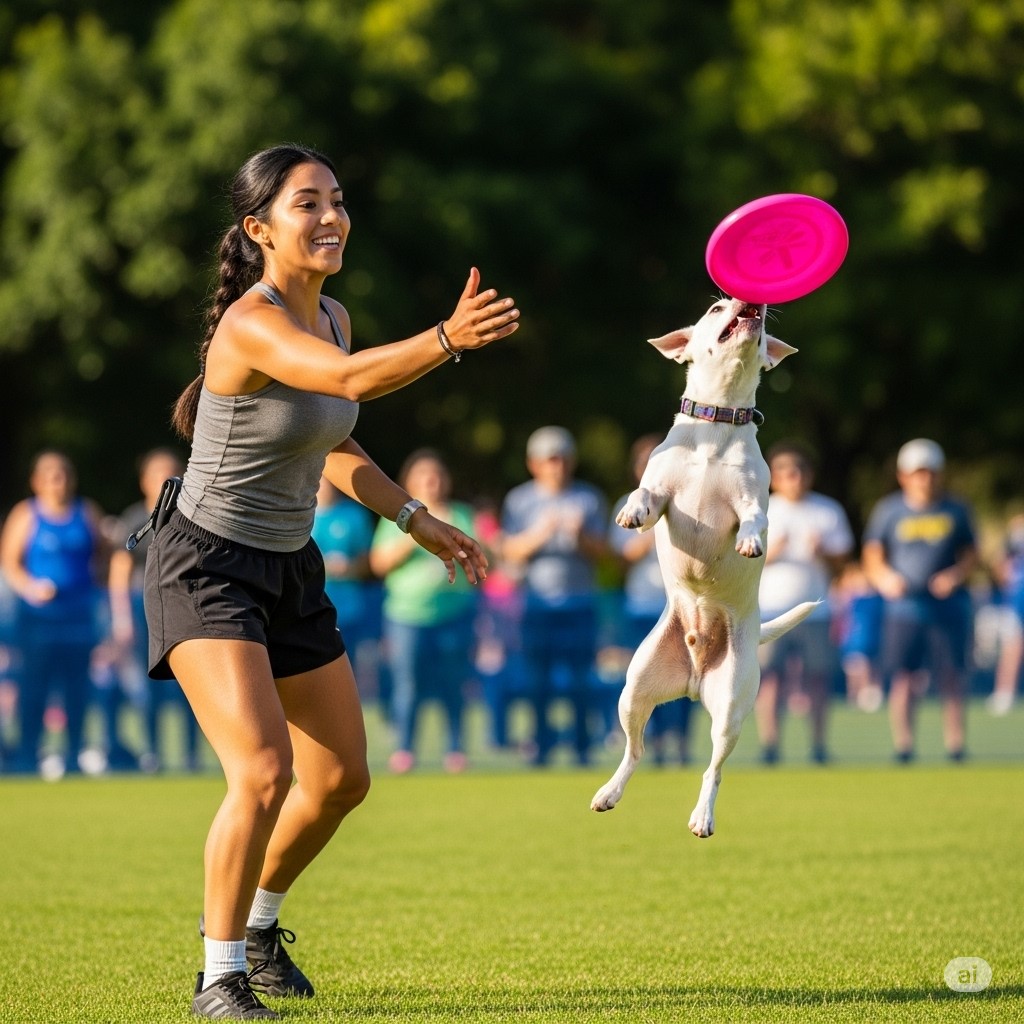
Unleashing Excitement: The World of Disc Dog
Disc Dog is a thrilling sport that brings together canines and their handlers in dynamic competition. It blends athleticism, coordination, and trust. This exciting activity showcases dogs catching flying discs with incredible agility. Across parks, stadiums, and open fields, Disc Dog competitions captivate audiences. Both professionals and amateurs enjoy participating in this high-energy sport.
The sport of Disc Dog began in the 1970s in the United States. Alex Stein, a college student, made history in 1974. He ran onto a baseball field during a live televised game with his dog, Ashley Whippet. The crowd watched in awe as Ashley caught flying discs with spectacular skill. Although Stein was arrested, this daring act ignited interest nationwide. The performance received significant media attention and inspired the first organized competitions.
Following this, the first official Disc Dog competition took place in 1975. The event, known as the Ashley Whippet Invitational, honored the dog who started it all. Held in Ohio, the competition drew numerous handlers and their dogs. From that moment, Disc Dog began to grow as a recognized sport. The combination of entertainment and athleticism fueled its spread.
Throughout the 1980s and 1990s, the sport evolved. Rules were refined, and organizations were established. More competitions emerged across the United States. Soon, Disc Dog found fans overseas. Japan, Germany, and Australia began hosting their own events. The sport had become a global phenomenon.
Today, Disc Dog enjoys popularity across many continents. In the United States, events occur year-round. Competitions take place in cities and small towns alike. The United Kingdom has developed a passionate community of enthusiasts. Japan leads in organizing large-scale events and leagues. In Australia, sunny climates and vast open spaces make it ideal for Disc Dog activities.
Germany and other parts of Europe also host international competitions. These countries value canine sports and invest in proper facilities. South Korea and China are new to the scene but growing quickly. Online platforms help spread knowledge and increase awareness. Videos of competitions go viral, encouraging new participants.
Amateur Disc Dog is thriving in schools and youth programs worldwide. Children often start by learning basic dog training techniques. Many schools offer extracurricular clubs focused on Disc Dog. These clubs teach responsibility, patience, and teamwork. Events for young handlers give them a chance to compete and showcase their skills.
Youth involvement helps promote healthy lifestyles. It encourages outdoor activity and reduces screen time. Families participate together, creating strong bonds. Community centers frequently organize weekend events. These are open to beginners and often include workshops.
In the United States, the Junior Handler Program has seen success. It allows children to compete in age-appropriate categories. Schools in Japan and Germany also support youth leagues. These programs ensure the sport’s growth and sustainability. Enthusiasts of all ages can join the community and learn.
Several professional Disc Dog leagues exist globally. The UFO World Cup Series includes events in multiple countries. Competitors accumulate points throughout the year. The top performers receive invitations to the World Finals. The Ashley Whippet Invitational remains prestigious. It continues to attract elite competitors annually.
The Skyhoundz World Canine Disc Championship is another major league. It features several divisions and categories. Events range from distance catching to freestyle routines. Dogs perform choreographed routines to music. Handlers often incorporate flips, jumps, and spins. This league emphasizes creativity and showmanship.
Japan hosts the Hyperflite Japan Disc Dog Championship. This league brings together top Asian competitors. Events are broadcast nationally, increasing visibility. In Europe, the European Disc Dog Championship has gained traction. Countries like the Czech Republic, Poland, and Austria participate actively.
These professional leagues create career opportunities. Sponsors, prize money, and travel incentives attract dedicated athletes. Media coverage and social media further promote the sport. Professional handlers often train multiple dogs and coach new players. Clinics and seminars take place before major events.
Disc Dog also holds political and social significance. In some regions, it advocates for animal rights and welfare. Promoting humane training methods is central to the sport. Dogs must be treated as partners, not tools. The sport helps combat misconceptions about certain breeds.
Cities use Disc Dog events to promote community engagement. Festivals often feature Disc Dog exhibitions. These draw crowds and generate local revenue. Politicians sometimes attend to show support for animal welfare.
Socially, the sport fosters inclusion and diversity. Handlers come from varied backgrounds. All ages, genders, and abilities can participate. Some leagues include adaptive categories. These welcome participants with physical or cognitive challenges. This inclusivity strengthens community bonds.
Animal rescue organizations collaborate with Disc Dog clubs. They use events to promote adoptions. Many competing dogs were once in shelters. Their success stories inspire and educate the public.
Understanding the rules is essential for enjoying Disc Dog. Competitions generally fall into two main categories: Toss and Fetch, and Freestyle. Toss and Fetch involves throwing a disc as far as possible. The dog catches it and returns quickly. Points are awarded based on distance and successful catches.
Freestyle routines are more complex. Handlers perform choreographed routines with music. Tricks, timing, and creativity are judged. Judges score based on difficulty, presentation, and execution. A routine typically lasts between 90 seconds and two minutes.
Both categories require specific rules. Only approved discs can be used. Dogs must be at least one year old. Safety is a top priority. Aggressive behavior results in disqualification. Handlers must remain within designated boundaries.
Judges receive training and certification. This ensures fairness and consistency. Scoring sheets guide their evaluations. Some competitions include bonus points for innovation.
Training for Disc Dog requires time and patience. Dogs must learn commands and develop coordination. Handlers build trust and communication through regular practice. Positive reinforcement is the preferred training method. It encourages learning and maintains motivation.
The right equipment enhances performance. Lightweight, durable discs reduce injury risk. Shoes with good grip help handlers move efficiently. Hydration and warm-up routines are crucial. Like any sport, preparation prevents injury.
Each dog has unique strengths. Border Collies often excel due to agility. However, any breed can participate. Mixed breeds, terriers, and even small dogs compete. Enthusiasm and effort often matter more than breed.
Veterinarians play a role in keeping dogs fit. Regular check-ups ensure they can compete safely. Nutrition and conditioning are essential. Handlers must monitor for signs of fatigue or injury.
Local clubs often serve as entry points. Beginners can attend classes and practice sessions. These clubs provide guidance and community support. Friendly competitions build confidence. Many handlers begin with fun games at home.
Social media expands the Disc Dog audience. Viral videos inspire viewers to try the sport. Online tutorials and forums help beginners. Hashtags and challenges keep the community engaged. Brands often sponsor content creators.
Disc Dog has also entered pop culture. Movies, commercials, and talent shows feature impressive routines. This exposure increases public interest. As a result, more people recognize the sport’s value.
The economic impact of Disc Dog is growing. Events bring tourism and revenue to host cities. Vendors sell dog gear, snacks, and memorabilia. Hotels and restaurants benefit from traveling competitors. Sponsorships create business opportunities.
Innovation continues to shape the sport. New disc materials and safety gear improve performance. Training apps and devices support handlers. Drones and high-speed cameras help analyze routines. Technology enhances both safety and spectacle.
Environmental sustainability has become a focus. Events encourage recycling and waste reduction. Eco-friendly disc materials are gaining popularity. Responsible practices ensure the sport’s future.
Looking ahead, Disc Dog shows no signs of slowing down. Participation numbers continue rising globally. Schools and communities support young handlers. Professional leagues offer thrilling entertainment. The sport promotes fitness, teamwork, and fun.
In summary, Disc Dog blends energy, talent, and heart. Its origins are humble, but its reach is vast. From youth leagues to world championships, it connects people and pets. It stands as more than a competition. Disc Dog is a celebration of the bond between human and canine.
Whether you’re a spectator or participant, the world of Disc Dog welcomes all. So grab a disc, find a field, and let the games begin!