
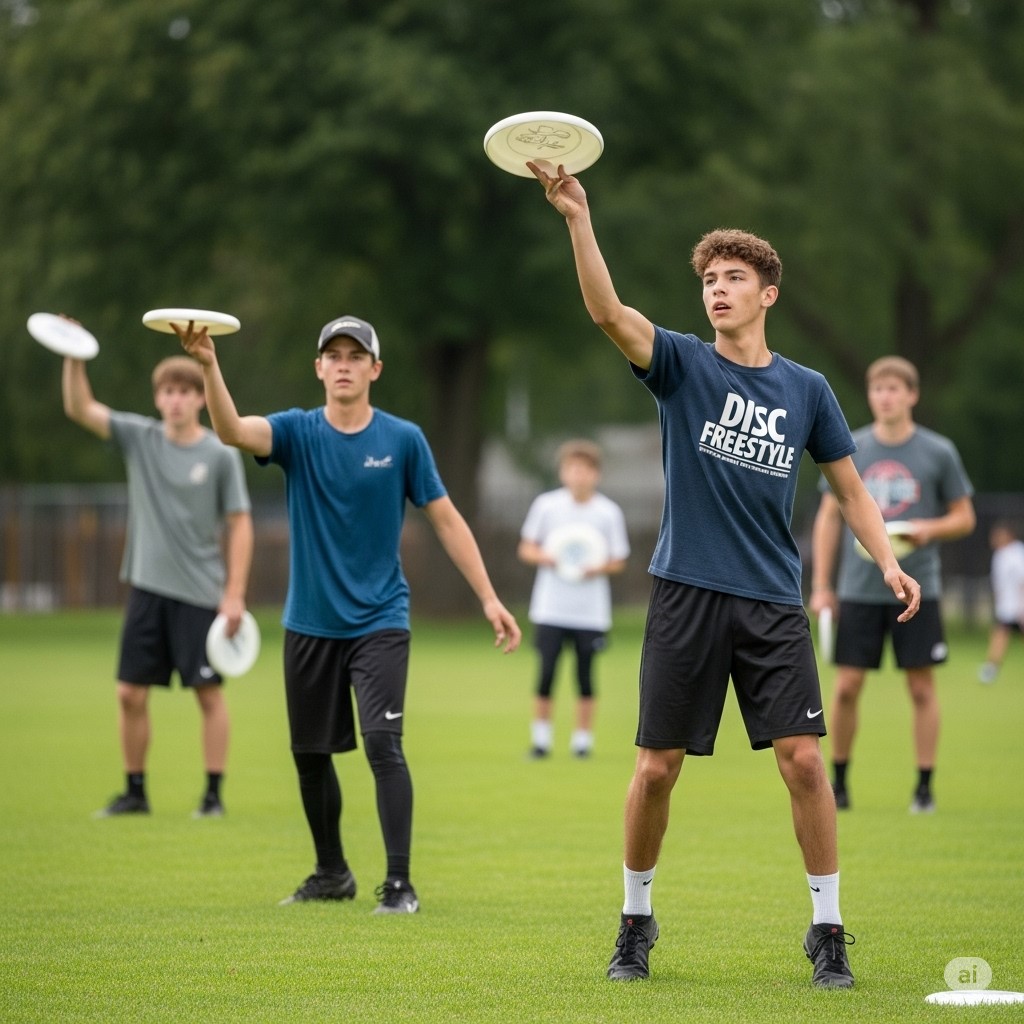
The Art and Evolution of Disc Freestyle: A Global Perspective
Disc Freestyle is an exciting and dynamic sport that combines athleticism, creativity, and precision. Often performed with a flying disc, it involves tricks, spins, and coordinated movements, sometimes choreographed to music. Although lesser-known than other mainstream sports, Disc Freestyle boasts a rich history and a passionate global community. This blog explores the journey of Disc Freestyle, from its roots to its current status worldwide.
The Origins and History of Disc Freestyle
Disc Freestyle began in the 1960s in the United States. As the popularity of the Frisbee grew, enthusiasts started experimenting with new ways to play. Initially, people tossed the disc casually in parks and on beaches. Over time, some began incorporating spins, kicks, and trick catches.
In 1968, Ken Westerfield and Jim Kenner, pioneers of disc sports, helped shape the early style of Disc Freestyle. The pair amazed crowds with their technical ability and creativity. They introduced moves like delay tricks, where the disc is balanced and spun on a fingertip.
Throughout the 1970s, the sport evolved rapidly. Tournaments started to emerge. The American Flying Disc Open (AFDO), held in Rochester, New York, played a major role in establishing formal competitions. The legendary “Frisbee Show” events brought Disc Freestyle to wider audiences.
By the 1980s, players like Skippy Jammer, Joey Hudoklin, and Tom Leitner pushed the sport to new heights. They innovated new moves and refined old ones. Their dedication helped transition Disc Freestyle from a casual hobby to a competitive art form.
As a result, the Freestyle Players Association (FPA) formed in 1986. It became the central organization supporting the sport. The FPA standardized rules, promoted events, and built an international network of players.
Global Popularity and Where It’s Played
Disc Freestyle is now played in over 30 countries. Its presence is strongest in the United States, Germany, Italy, Czech Republic, and Japan. Each of these countries hosts annual events that attract top talent.
In the United States, cities like San Diego, Seattle, and Austin boast active Freestyle scenes. They hold weekly jams and frequent tournaments. The sport also maintains a cultural presence in California beach towns, where it originated.
Germany hosts one of the most prestigious events, the German Freestyle Championships. The tournament draws players from all over Europe. In Italy, the Paganello Beach Ultimate and Freestyle event combines various disc sports in a festive environment.
Meanwhile, Japan’s Disc Freestyle community continues to grow. The Japanese Freestyle Championships showcase highly technical and synchronized routines. Asian players have contributed new stylistic elements, enriching the sport’s diversity.
In South America, Brazil has become a hotbed for new talent. Brazilian players bring rhythmic flair and innovation. Social media has also helped spread the sport in developing nations.
With internet videos and online tutorials, aspiring freestylers from remote areas can learn advanced tricks. Online platforms like YouTube and Instagram have democratized access to the sport.
Amateur Play, Youth, and School Programs
Amateur Disc Freestyle serves as the backbone of the sport. Most players begin casually, learning basic throws and catches. As their interest deepens, they join local clubs and communities.
Youth programs are growing slowly but steadily. In the U.S., some schools introduce disc sports during physical education classes. Freestyle workshops occasionally feature in summer camps and afterschool programs.
Germany and Italy lead in youth development. Organizations host junior divisions at major tournaments. These divisions allow young players to compete in a supportive environment.
Nonprofits like DiscDog and Jammers in the Jungle promote disc sports among youth in underrepresented regions. They supply equipment and training, encouraging kids to engage physically and creatively.
In Brazil and Colombia, freestyle instructors offer community-based lessons. These programs emphasize inclusivity and fun. Coaches focus on fundamental skills before introducing competition.
Freestyle-friendly spaces, such as open parks and school gyms, help amateur play thrive. Players often gather informally to practice and learn from one another.
These community jams serve as both practice and social event. They nurture camaraderie and mentorship. Veteran players often guide newcomers, accelerating their progress.
Professional Leagues and Competitive Structure
Although Disc Freestyle lacks the mainstream structure of other sports, it features a vibrant competitive scene. The Freestyle Players Association (FPA) oversees most major competitions.
The FPA World Championships represent the sport’s pinnacle. Held annually, this tournament rotates among host countries. It features various categories including Open Pairs, Mixed Pairs, and Co-op.
Judges score routines based on difficulty, execution, and artistic impression. A panel evaluates each performance, ensuring fairness and consistency.
Beyond the FPA, smaller circuits exist in Europe and Asia. Events like the European Freestyle Championships and Japan Open provide competitive platforms for regional players.
Some tournaments offer cash prizes, attracting semi-professional athletes. However, most players compete for passion rather than profit.
Sponsorships and endorsements remain limited but are growing. Disc manufacturers like Discraft and Wham-O occasionally sponsor elite players. These partnerships help fund travel and training.
The freestyle circuit also includes performance-based events. Freestylers sometimes perform during halftime shows or at corporate events. These gigs help promote the sport and provide financial support.
Social media influencers within the Disc Freestyle community play a pivotal role. They highlight top routines, share tutorials, and build fan engagement. Their outreach draws in new fans and players.
Political and Social Significance
Disc Freestyle transcends sport. It carries important social and political dimensions. In many places, it fosters community, inclusion, and cross-cultural exchange.
Because the sport values creativity over brute strength, it provides equal opportunity for all genders and ages. Mixed-gender teams are common. This inclusivity contrasts with many traditional sports.
Moreover, Disc Freestyle thrives in public spaces. It democratizes athletic expression. People from different socioeconomic backgrounds can access and enjoy it.
In regions with limited infrastructure, the sport requires minimal equipment. A single disc and an open space suffice. This accessibility makes it a valuable tool for youth development.
Disc Freestyle also promotes mental health and well-being. The sport demands focus, coordination, and flow. Many players describe it as meditative or therapeutic.
Some community programs use Freestyle to engage at-risk youth. Coaches teach discipline and teamwork through playful expression. These initiatives empower individuals and reduce social isolation.
Culturally, the sport fosters international friendships. Players often travel abroad for events. They connect with diverse cultures and perspectives.
Through sport, language barriers dissolve. Shared passion unites people. This soft diplomacy strengthens global understanding and cooperation.
Politically, the sport has supported peace-building efforts. In conflict-affected areas, disc programs bridge divides. They bring together youth from opposing groups in a spirit of fun and creativity.
Environmental awareness also features in the community. Players often advocate for clean, safe public spaces. Events frequently promote sustainability through recycling and minimal waste.
Rules and Format of Disc Freestyle
The rules of Disc Freestyle focus on performance, creativity, and collaboration. A standard routine lasts between three and five minutes. Teams consist of two or three players.
During a routine, players perform tricks such as spins, rolls, and catches. They pass the disc among teammates, aiming for fluidity and synchronicity.
Judges evaluate performances based on three criteria:
- Difficulty: Complexity and innovation of moves
- Execution: Precision, control, and smoothness
- Artistic Impression: Creativity, choreography, and expression
Each judge assigns a score from 1 to 10 for each category. The total score determines rankings.
In addition to team routines, competitions may include individual skill contests. Events like “Tipping” and “Nail Delay Challenge” showcase technical prowess.
There are few restrictions on the disc or attire. However, discs must meet specific size and weight regulations. Most players use 160-gram discs optimized for control and spin.
Costumes and music selection are optional but encouraged. They enhance the artistic element and engage audiences.
Misthrows and drops reduce execution scores. Teams must recover quickly to maintain flow.
Warm-ups precede each round. Players can use this time to assess wind conditions and fine-tune routines.
Spirit of the game remains central. Players honor each other’s performances and support competitors. This ethos cultivates respect and sportsmanship.
Although the sport remains subjective, judge training and standardized scorecards improve consistency.
Tournaments often feature multiple rounds. Qualifiers narrow the field to finalists. The final round determines the winners.
Technology has enhanced judging accuracy. Slow-motion reviews and live scoring add transparency.
Conclusion
Disc Freestyle continues to captivate hearts worldwide. From its humble origins on American beaches to grand international stages, it has evolved remarkably. The sport blends athletic mastery with artistic expression.
It thrives on community, inclusion, and passion. Players across all ages and backgrounds contribute to its vibrant culture. Youth programs and amateur scenes ensure a bright future.
Despite lacking mainstream visibility, Disc Freestyle commands global respect. Its social impact reaches far beyond competition.
Through shared creativity and movement, people connect. The disc becomes more than a toy. It becomes a symbol of unity, freedom, and joy.
In a fast-paced world, Disc Freestyle offers a chance to slow down, focus, and play. And that, perhaps, is its greatest gift.