
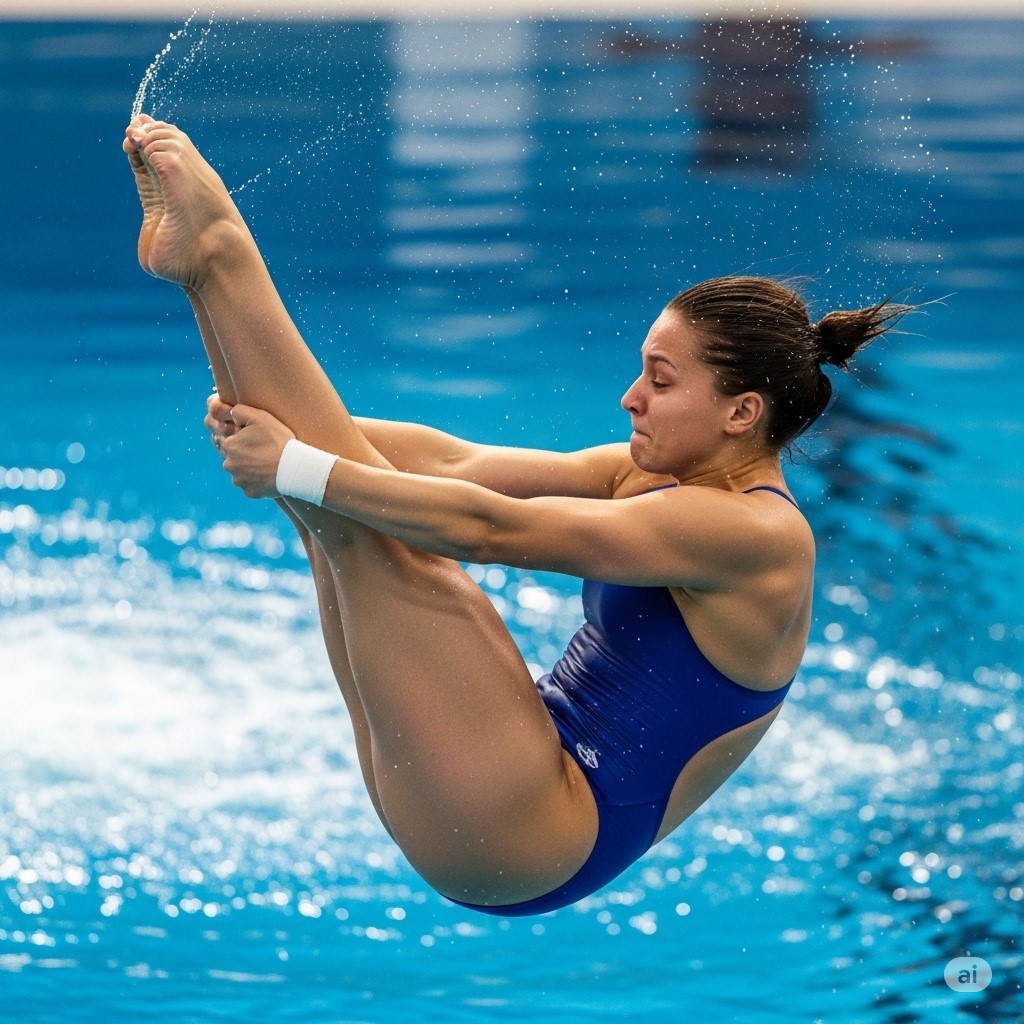
Diving: A Deep Dive into the Acrobatic Water Sport
Diving has captivated audiences worldwide with its grace, athleticism, and thrilling execution. This sport, often performed from heights, involves precise body movements as athletes leap or flip into the water. It showcases both individual flair and technical discipline. The spectacle of aerial maneuvers followed by near-silent entries into the water continues to inspire. With global participation and Olympic prestige, Diving holds a special place in aquatic sports. This blog post explores the sport’s origin, global popularity, amateur and professional scenes, rules, and its broader cultural relevance.
Origins and History of Diving
It began as a form of acrobatics in the 19th century. Its roots trace back to gymnastic feats performed over water. Swedish and German gymnasts were among the first to formalize these movements into a sport. By the 1880s, plunging contests had developed in England, where participants competed in long-distance underwater glides.
In 1904, it made its Olympic debut in St. Louis. The event featured “fancy diving” from platforms. Over time, springboards and synchronized diving were added to the mix. Throughout the 20th century, new techniques emerged. These included somersaults, twists, and pike positions. Judges began evaluating form, execution, and water entry. As the sport evolved, training facilities and coaching programs became more sophisticated.
Notably, the sport transitioned from an exhibition of daring to a calculated science. Coaches started analyzing body mechanics. Athletes refined their skills in dry-land training centers before hitting the water. By the late 1900s, Diving had become a key event in international competitions.
Global Popularity and Reach of Diving
Today, it enjoys immense popularity across continents. Asia, Europe, and North America dominate the global scene. China has become the sport’s powerhouse. Athletes from China consistently top world rankings. The country has invested heavily in youth programs and infrastructure.
In Europe, countries like Russia, Germany, and Great Britain boast strong diving traditions. Each nation operates national training centers. These centers prepare divers for events such as the European Championships and the World Aquatics Championships.
In North America, the United States and Canada maintain competitive diving teams. The NCAA collegiate system in the U.S. provides a clear development pathway. Many Olympic divers come from college programs. Canada also runs community-based clubs that feed talent into the national pool.
Australia and Mexico round out the competitive landscape. Each has hosted major events and contributed notable athletes. Globally, Diving tournaments draw large television audiences. These include the FINA Diving World Cup and Olympic Games.
The sport’s global appeal lies in its visual spectacle. High-definition broadcasts capture every twist and turn. As a result, fans feel connected to the intensity and artistry of each dive.
Diving at the Amateur Level
Amateur Diving thrives in youth programs, schools, and community clubs. Many young divers begin in swim schools. From there, they transition to diving boards under certified instruction. Safety is paramount at this stage. Coaches focus on basic jumps, body control, and water entry.
In schools, it forms part of broader swim team programs. High schools and middle schools often have competitive dive teams. These teams train several times a week. Practices emphasize technique, conditioning, and confidence. Students compete in regional and national meets.
Clubs play a critical role in amateur development. Organizations like USA Diving, Diving Canada, and British Diving run structured youth leagues. These clubs offer tiered progression systems. Divers move from novice levels to elite junior competitions. Regional qualifiers determine advancement.
The Amateur Athletic Union (AAU) in the U.S. organizes nationwide tournaments. These events showcase top youth talent. Likewise, European countries host junior nationals and cross-border events. These competitions foster international friendships and experience.
Summer camps also promote grassroots participation. Divers train under elite coaches in intensive environments. Campers improve quickly, often progressing by several levels in a single session. Such programs are found in the U.S., Australia, and parts of Europe.
Professional Leagues and Competitive Pathways
At the professional level, Diving features prominently in global aquatic championships. FINA (Fédération Internationale de Natation) governs the sport worldwide. Its events include the FINA Diving World Series, World Championships, and Diving World Cup.
The FINA Diving World Series brings together top-ranked divers. Held across several countries, the series allows athletes to earn prize money and ranking points. China, Russia, and Great Britain frequently host stops. These competitions are broadcast internationally.
The Olympic Games represent the sport’s pinnacle. Only the world’s best qualify through rigorous trials. Olympic diving includes springboard and platform events. Synchronized diving also garners attention for its dramatic visual appeal.
In the United States, the NCAA provides a quasi-professional stage. Athletes receive scholarships and compete in nationally televised meets. NCAA champions often go on to Olympic teams.
Red Bull Cliff Diving is a unique pro circuit. This extreme variation features dives from 27-meter platforms. Athletes compete in outdoor settings such as cliffs and bridges. The series travels to scenic locations worldwide. It draws large live audiences and millions of online views.
Though less traditional, cliff diving pushes the sport’s boundaries. It highlights creativity and bravery. Sponsors and media outlets have embraced it. As a result, cliff diving has grown rapidly in fan engagement.
Social and Political Significance of Diving
It holds cultural and political meaning in many regions. In China, it symbolizes national pride and discipline. The government celebrates diving champions as heroes. Their success reflects broader investment in sports development.
In democratic nations, Diving often represents personal achievement and diversity. Athletes from varied backgrounds compete equally. This inclusiveness reinforces the values of merit and opportunity.
During the Cold War, competitions took on political overtones. Medal counts were seen as ideological victories. Today, international events promote diplomacy and unity. Competitors form friendships across borders. Sport serves as a bridge between cultures.
Socially, Diving empowers youth. It teaches discipline, perseverance, and self-confidence. Young divers learn to manage pressure and perform under scrutiny. These skills transfer to academics and careers.
Programs also promote inclusion. Initiatives in urban areas offer access to underrepresented groups. Nonprofits collaborate with schools to remove financial barriers. Scholarships and free clinics open doors to aspiring athletes.
Media coverage gives divers a platform. Top performers become role models. Their journeys inspire the next generation. Thus, Diving contributes positively to communities.
Rules and Competition Format
The rules are detailed and consistent across levels. Each dive is scored based on execution, form, and difficulty. Judges evaluate takeoff, flight, and water entry.
Divers perform from springboards or platforms. Heights include 1-meter and 3-meter springboards. Platforms measure 5, 7.5, or 10 meters. Each level requires specific techniques and skills.
In competition, divers submit a dive list. This includes the type of dive and its degree of difficulty (DD). Higher DD scores increase potential points. Judges award scores from 0 to 10 in half-point increments.
The highest and lowest scores are discarded. The remaining scores are averaged and multiplied by the DD. The result is the dive’s total score. Divers complete several rounds. Their cumulative score determines rankings.
Synchronized diving features two athletes diving simultaneously. Judges assess timing, synchronization, and individual form. Mixed-gender events have also emerged, adding diversity.
Safety protocols are strictly followed. Pool depths, board standards, and coaching certifications ensure athlete protection. Equipment is inspected before events. Divers also undergo physical screenings.
Violations of rules can lead to deductions or disqualification. These include failed dives, unsportsmanlike conduct, or safety infractions. Appeals can be made through a formal process.
Conclusion
Diving blends art, athleticism, and precision. From humble beginnings to Olympic glory, it continues to evolve. Nations invest in programs that develop youth and celebrate champions. Fans worldwide watch each twist and splash with awe.
At amateur and professional levels, Diving inspires excellence. It brings communities together and bridges global divides. Through strict rules and dynamic performances, the sport maintains its integrity and allure.
Whether in a high school pool or on the Olympic stage, Diving remains a thrilling expression of human potential. Its global reach and cultural value affirm its place in the world of sport.