
The Thrilling World of Dog Racing: History, Rules, and Global Significance
Dog Racing is a fast-paced sport that has captivated audiences for more than a century. Originating from ancient hunting traditions, it has evolved into both a popular pastime and a competitive profession. Although it has faced scrutiny, the sport continues to thrive in various parts of the world. Dog Racing blends athleticism, speed, and strategy. Today, we explore its deep history, global reach, rules, and social impact.
The Origins and Historical Development of Dog Racing
The roots of Dog Racing can be traced back to ancient civilizations. In Egypt, dogs were trained to hunt and chase game. These early events resembled competitive chases. The Romans also enjoyed canine contests, often in public arenas. Over centuries, this transformed into organized competition.
In the 18th and 19th centuries, coursing became popular in England. Greyhounds chased live hares, and the fastest dog won. This version gained popularity among nobility. However, the use of live prey drew criticism. To address concerns, Owen Patrick Smith introduced the mechanical lure in 1912.
This innovation gave birth to modern Dog Racing. The first mechanical-lure race was held in Emeryville, California in 1919. The concept quickly spread to other states. It moved to the United Kingdom in 1926. Races were held at Belle Vue Stadium in Manchester. The sport gained traction throughout the 20th century.
Global Popularity and Geographic Spread
Dog Racing is now present on nearly every continent. It enjoys significant attention in the United States, the United Kingdom, Australia, and Ireland. These countries host professional leagues and boast enthusiastic fanbases.
In the United States, Florida once hosted the most tracks. Although many have closed, the sport still persists in other states. Australia has a thriving scene, especially in New South Wales and Victoria. Their events often draw large crowds and are televised.
Ireland considers Dog Racing a cultural tradition. The Irish Greyhound Board regulates the sport. Races occur year-round. Meanwhile, in the UK, the Greyhound Board of Great Britain oversees operations. Tracks like Wimbledon and Nottingham remain iconic.
Asia is slowly embracing the sport. In Vietnam and China, events are emerging. Although less widespread, the trend is growing. South America also participates, mainly in Argentina and Uruguay. Events there are less commercial but still competitive.
Amateur Dog Racing and Youth Involvement
Not all Dog Racing is professional. Across the world, amateurs participate in local events. These grassroots activities nurture future talents and promote community engagement.
In rural parts of Europe, family-owned kennels host friendly races. These events often occur during festivals. Similarly, Australia has a strong amateur community. Small towns organize weekly races. These races allow newcomers to gain experience.
Youth engagement is growing. Some schools offer extracurricular programs centered around animal care and racing basics. In Ireland, junior clubs teach young people how to handle dogs. They learn responsibility, discipline, and teamwork.
In the U.S., 4-H programs sometimes include dog handling competitions. Although not formal Dog Racing, it builds foundational skills. Enthusiastic kids may later pursue amateur or professional racing.
Social media has boosted amateur interest. Enthusiasts share training videos and race highlights online. These platforms connect fans and encourage participation. Communities now organize digital leagues and live stream events.
Professional Leagues Around the World
Numerous professional leagues and organizations support the Dog Racing industry. These groups ensure safety, regulate competition, and manage events.
In the United States, the National Greyhound Association (NGA) governs racing. It oversees breeding, registration, and competition standards. Although the number of tracks has declined, the association remains active.
The UK’s Greyhound Board of Great Britain (GBGB) plays a similar role. It enforces strict welfare policies. Licensed trainers and kennels follow rigorous guidelines. The GBGB also manages prize funds and league tables.
Ireland’s Irish Greyhound Board, also called Rásaíocht Con Éireann, operates all 17 tracks. It promotes the sport while funding welfare initiatives. Their major event, the Irish Greyhound Derby, attracts global attention.
Australia has several state-based authorities. Greyhound Racing New South Wales and Greyhound Racing Victoria are the largest. They host premier events like the Melbourne Cup. These organizations invest in animal welfare and transparency.
New Zealand, Mexico, and Spain also have smaller leagues. These regions show promise. Although not as established, they foster dedicated communities. Continued support could expand the sport’s global footprint.
Rules and Structure of Dog Racing Events
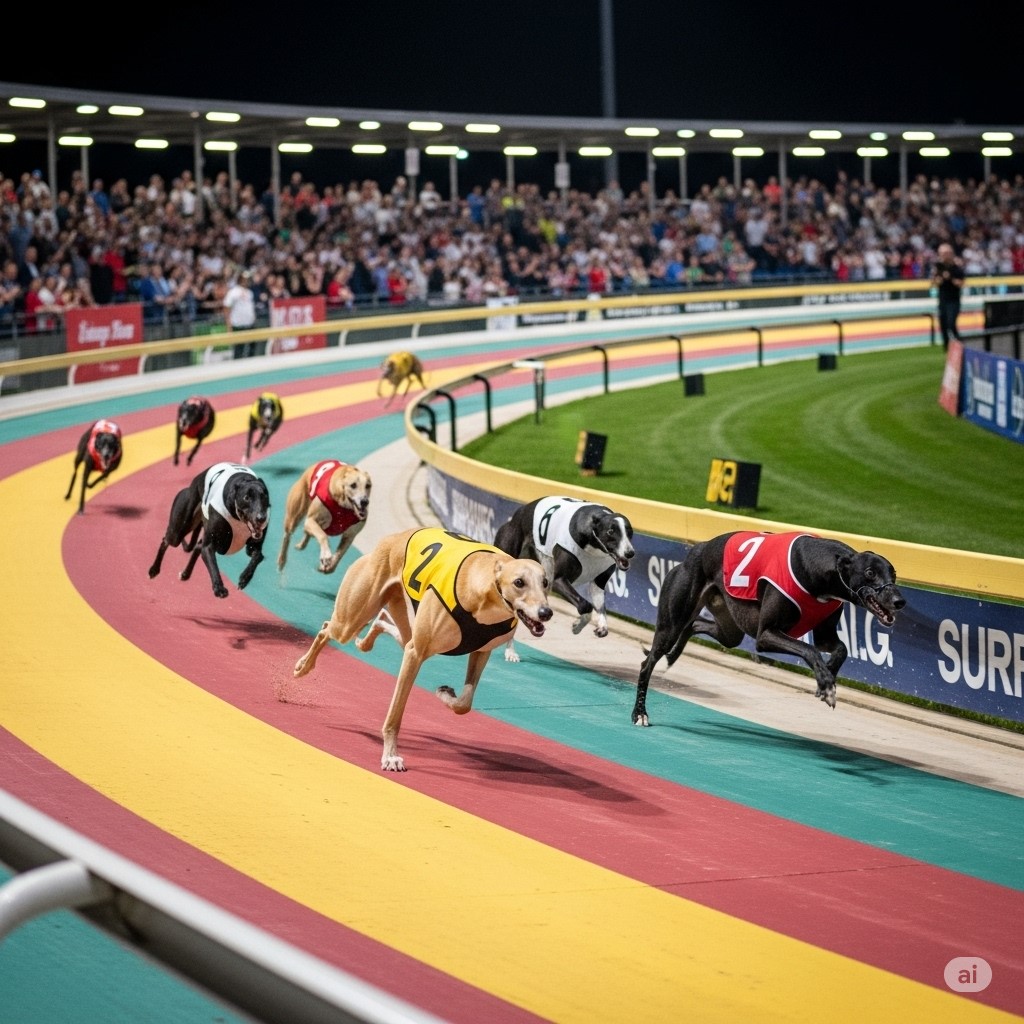
Dog Racing follows a structured format. Races are held on oval tracks, usually 400 to 500 meters long. Eight dogs typically compete in a single race.
Each dog wears a numbered and colored jacket. They start from individual starting boxes. A mechanical lure, often shaped like a rabbit, leads the dogs around the track. The first dog to cross the finish line wins.
Dogs are categorized based on ability and experience. Races are divided into different classes. Handlers and trainers enter dogs into appropriate categories. This ensures fair competition.
Timing and positioning are critical. Photo-finish technology determines winners in close races. Official stewards oversee events to ensure rules are followed.
Before a race, dogs undergo veterinary checks. This ensures they are healthy and fit. After races, winners may be tested for performance-enhancing substances. Integrity is crucial in the sport.
Training plays a significant role. Trainers use treadmills, swimming, and diet plans. Conditioning helps dogs reach peak performance. Rest and recovery are also emphasized.
Spectators often place bets on outcomes. Wagering is integral to the sport’s economy. Bookmakers offer various betting options, including win, place, and quinella.
Political and Social Significance of Dog Racing
Dog Racing has political and social dimensions. Its existence often sparks debate. Supporters see it as tradition and sport. Critics argue for reform or abolition.
In some regions, government support is strong. Ireland and Australia allocate funds to support the industry. These funds help improve facilities and ensure animal welfare. Political leaders often attend major events.
However, opposition is growing. Animal rights groups highlight concerns. They cite overbreeding, injuries, and abandonment. These issues have led to legislative changes.
In the U.S., Florida voters approved a 2020 ban on racing. This was a landmark moment. It signaled changing public sentiment. Still, other states maintain racing under strict guidelines.
Socially, the sport builds community. Local tracks host family-friendly events. Fans form clubs and attend races together. Dog Racing can unify people across backgrounds.
Welfare initiatives are also making a difference. Adoption programs for retired dogs have improved. Many organizations rehome former racers. Public awareness campaigns educate people on proper care.
Conclusion
Dog Racing remains a compelling and dynamic sport. From its ancient origins to modern-day tracks, it blends tradition with innovation. It thrives globally, supported by amateurs and professionals alike. The sport has sparked political debate and social change. Still, its core appeal—speed, skill, and excitement—continues to attract fans. As the sport evolves, so too does its impact on communities and cultures around the world.