
The Thrilling World of Dragon Boat Racing: A Deep Dive into Culture, Competition, and Community
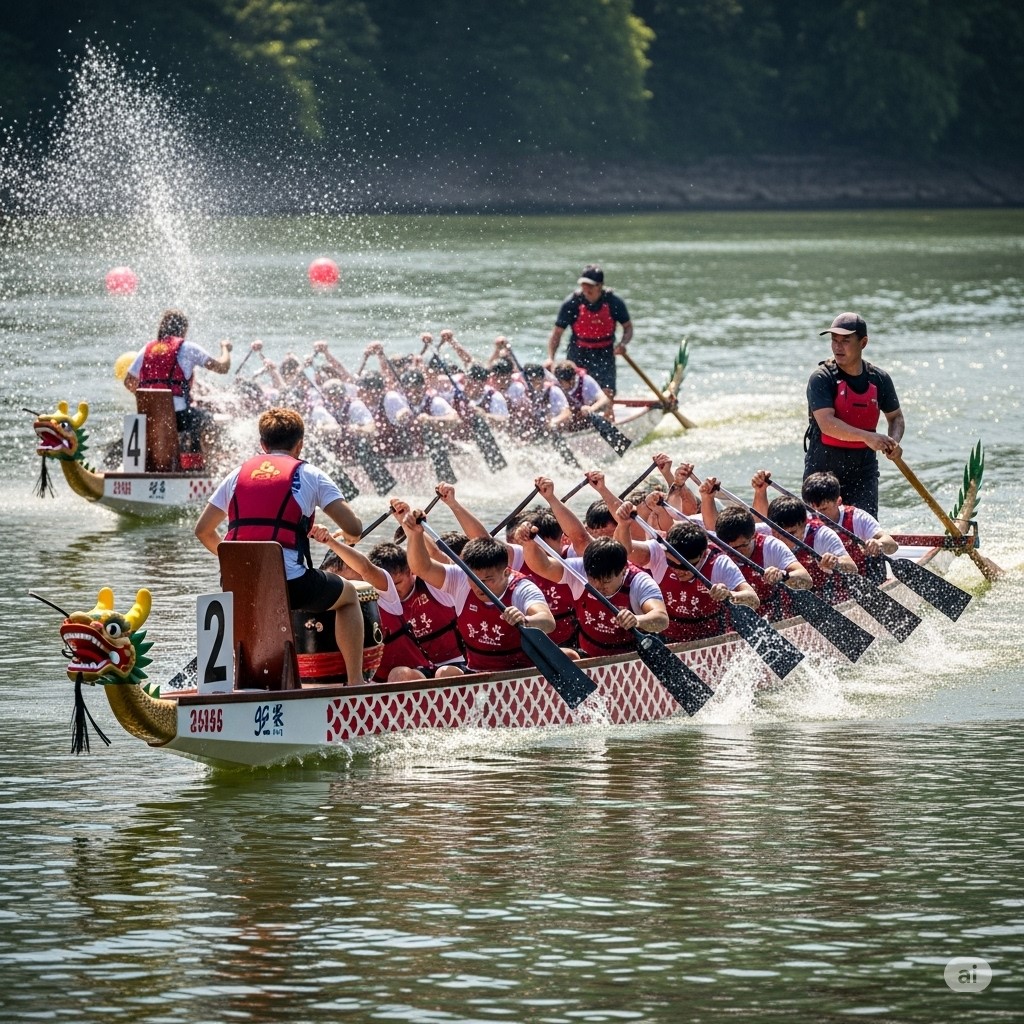
Dragon Boat Racing is more than just a sport. It is a vibrant cultural celebration that spans the globe. From its ancient origins to modern-day international competitions, Dragon Boat Racing continues to grow in popularity. This post explores the history, rules, global reach, amateur involvement, professional leagues, and the broader significance of this exhilarating water sport.
Origins and History
The roots of Dragon Boat Racing trace back over 2,000 years to ancient China. The sport began as a ritual to appease river gods during the summer solstice. Communities believed that paddling vigorously would encourage rainfall and good harvests.
The most well-known legend linked to the sport involves the poet Qu Yuan. He lived during the Warring States period and served the Chu kingdom. After being exiled due to political slander, Qu Yuan drowned himself in the Miluo River out of despair. Villagers raced out in boats to save him or recover his body. They beat drums and splashed their paddles to scare away fish and evil spirits.
This legend transformed into the Dragon Boat Festival, known as Duanwu Jie. It is celebrated annually on the fifth day of the fifth lunar month. Over time, the ritual evolved into a sport. Traditional wooden boats were replaced with streamlined fiberglass versions. However, the spirit of community and reverence remains.
Global Popularity
Dragon Boat Racing is no longer confined to China. The sport has surged in popularity across Asia, Europe, the Americas, and Oceania. In countries like Canada and the United States, multicultural festivals often feature dragon boat events. Hong Kong, Singapore, and Malaysia host some of the most competitive international races.
In Europe, Germany, the Czech Republic, and the United Kingdom have thriving dragon boat communities. Australia and New Zealand also maintain strong participation, bolstered by their love of outdoor sports.
This widespread appeal can be credited to the sport’s inclusive nature. Teams often consist of diverse age groups, genders, and backgrounds. Whether competing for fun or for gold, paddlers find common ground in their shared rhythm and unity.
Amateur Participation Around the World
Amateur Dragon Boat Racing is thriving. Local clubs and community groups organize races year-round. Entry-level events are held on lakes, rivers, and harbors. Enthusiasts form teams through workplaces, fitness centers, and social groups.
Youth engagement is on the rise. Schools in Hong Kong and Singapore incorporate the sport into their physical education programs. In Canada, high school dragon boat teams compete at regional regattas. These programs teach teamwork, endurance, and cultural appreciation.
In the United States, nonprofit organizations run summer camps dedicated to the sport. These camps foster inclusivity and build lifelong skills. Young paddlers often graduate to university teams and adult leagues, ensuring the sport’s continued growth.
Universities worldwide also support Dragon Boat Racing. Collegiate teams participate in national and international championships. This keeps the competitive spirit alive while building community among young adults.
Professional Leagues and Competitions
Dragon Boat Racing has evolved into a professional sport with leagues and governing bodies. The International Dragon Boat Federation (IDBF) oversees global regulations and organizes the World Championships every two years.
The IDBF was founded in 1991 and includes over 90 member countries. It standardizes boat dimensions, race categories, and safety procedures. The federation also runs coaching and officiating certification programs.
In Asia, the Hong Kong International Dragon Boat Races draw elite teams from around the world. China hosts the National Dragon Boat Invitational Tournament, which attracts massive crowds. In the United States, the American Dragon Boat Association manages national competitions.
Professional teams undergo rigorous training. Athletes focus on strength, endurance, and synchronization. Coaches use video analysis and biomechanical assessments to refine performance. Many professional paddlers cross-train in rowing and kayaking.
Sponsorships and media coverage are increasing. Brands see value in associating with a sport that emphasizes teamwork, heritage, and excitement. Television networks and online platforms stream major events, bringing the sport to global audiences.
Political and Social Significance
Dragon Boat Racing carries deep political and social meaning. In China, it symbolizes patriotism, especially when linked to Qu Yuan’s sacrifice. The sport reinforces national pride and cultural heritage.
During the Cultural Revolution, traditional festivals were discouraged. However, the Dragon Boat Festival survived, proving its resilience and importance. Today, it is a public holiday in China and a UNESCO-recognized intangible cultural heritage.
In Taiwan, the festival reflects cultural identity and autonomy. Dragon boat events there serve both celebratory and political functions. They affirm Taiwan’s distinct traditions within a shared historical context.
In multicultural societies, the sport fosters unity. Events often coincide with cultural festivals, promoting understanding and inclusion. In Canada, Indigenous and immigrant communities participate side by side. This helps bridge cultural divides through shared experience.
Dragon Boat Racing also serves charitable causes. Many races support cancer survivors, particularly breast cancer awareness. Survivor teams inspire others through their resilience and camaraderie.
Rules and Format of the Sport
Understanding the rules of Dragon Boat Racing enhances appreciation for its complexity. Each team usually consists of 20 paddlers, a drummer, and a steerer. Races cover distances of 200, 500, or 2,000 meters.
The drummer sets the pace. Positioned at the bow, they beat a large drum to maintain rhythm. This role is both symbolic and practical, connecting the team’s movement.
The steerer stands at the stern. They use a long oar to guide the boat’s direction. Precise steering is crucial, especially in tight lanes or turbulent waters.
Paddlers sit in pairs and stroke in unison. Timing is vital. Even a slight delay can disrupt speed and balance. Teams train extensively to perfect their synchronization.
Race officials ensure fair play. False starts lead to penalties. Lane violations may result in disqualification. Judges use high-speed cameras to determine winners in close finishes.
Safety is paramount. All participants wear life jackets. Rescue boats remain on standby during races. Weather conditions are closely monitored to prevent accidents.
Equipment and Training
Dragon boats are typically 12 meters long and decorated with dragon heads and tails. Fiberglass construction ensures durability and speed. Wooden paddles have mostly given way to carbon fiber models.
Training involves more than paddling. Athletes build core strength and cardiovascular endurance. Dry-land training includes weightlifting, running, and flexibility exercises.
Team dynamics play a big role. Trust and communication are essential. Many teams practice year-round to maintain cohesion and improve technique.
Nutrition and recovery matter too. Professional paddlers follow strict diets and rest schedules. Sports psychologists sometimes assist with mental preparation.
Cultural Elements and Symbolism
Dragon Boat Racing is rich in symbolism. The dragon, a mythological creature in Chinese lore, represents power and prosperity. Its image on the boat connects modern sport with ancient tradition.
Drumbeats echo ancient rituals. They stir emotions and synchronize effort. The beating drum links each race to centuries-old ceremonies.
The Dragon Boat Festival includes more than racing. Families gather to eat zongzi, a type of sticky rice dumpling. They hang calamus and mugwort on doors to ward off evil spirits.
This blend of sport and tradition creates a unique cultural experience. Every race honors the past while celebrating the present.
Environmental Impact and Sustainability
As the sport grows, environmental concerns arise. Large events can strain local ecosystems. Organizers now prioritize sustainability.
Eco-friendly boats and paddles reduce carbon footprints. Reusable water bottles and waste sorting stations are common at regattas. Some events partner with conservation groups to clean waterways.
Education is also part of the effort. Participants learn about aquatic habitats and pollution prevention. The sport’s connection to water makes environmental stewardship a natural priority.
Looking Ahead
The future of Dragon Boat Racing looks bright. Innovations in training and equipment will elevate performance. Greater inclusion will draw new participants.
Technology will play a bigger role. Apps for tracking strokes and virtual coaching are gaining popularity. These tools make training more accessible and data-driven.
Youth programs will ensure the sport’s longevity. As young paddlers move into adult leagues, they bring fresh energy and ideas. Cultural exchanges will deepen global connections.
Ultimately, Dragon Boat Racing will continue to unite people. It offers excitement, culture, and community in equal measure.
Conclusion
Dragon Boat Racing captivates both athletes and spectators. Its roots lie in ancient rituals, yet its reach spans the modern world. The sport thrives in schools, local clubs, and international arenas. It builds teamwork, celebrates culture, and fosters global unity. Whether you’re paddling in a neighborhood lake or watching a world championship, the spirit of Dragon Boat Racing is impossible to ignore.