
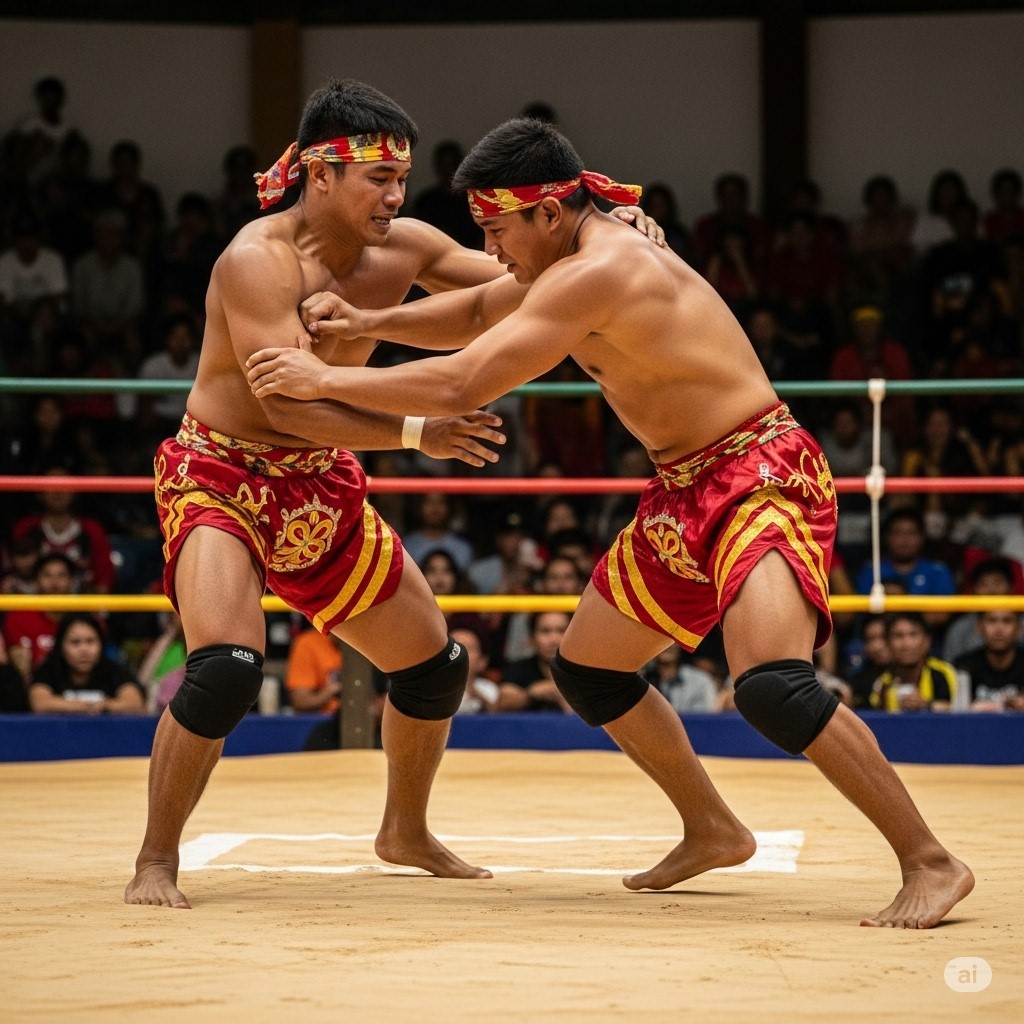
Dumog: The Indigenous Filipino Wrestling Art with a Global Reach
Dumog, an ancient Filipino grappling art, is more than a martial sport. It stands as a cultural legacy that continues to thrive in both traditional and modern arenas. Though not as globally recognized as Brazilian Jiu-Jitsu or Judo, it carries a rich heritage rooted in the warrior ethos of the Philippines. This post explores the origin, evolution, modern practice, and global presence of Dumog, along with its social and political significance. The word “Dumog” echoes the strength, strategy, and soul of the Filipino people.
Origins of Dumog
It originated in the Visayas and Mindanao regions of the Philippines. It was developed by indigenous tribes who needed a method to subdue opponents in close combat. Warriors integrated Dumog with other traditional weapons-based martial arts like Eskrima and Arnis. Over time, it evolved from battlefield tactics to a codified grappling system.
Tribal leaders and warriors passed the techniques orally and through practice. The system emphasized control of the opponent’s balance, manipulating their head and shoulders to dominate body movement. Often practiced during festivals and community gatherings, Dumog also served as entertainment and a test of skill.
Evolution Over the Centuries
Spanish colonization in the 16th century impacted native martial arts. Dumog, like other Filipino systems, was preserved in secret or disguised within dance and ritual. Filipino resistance fighters used it in guerrilla tactics against colonizers. After World War II, it started gaining more formal recognition.
In the 1970s, Filipino martial arts gained international attention. Grandmasters began promoting Dumog abroad, particularly in the United States. It attracted martial artists interested in grappling and close-quarters combat. Since then, it has been integrated into broader Filipino Martial Arts (FMA) systems.
Global Popularity and Reach
Today, it is practiced across the globe, especially in countries with large Filipino communities. The United States, Canada, Australia, and the United Kingdom host Dumog seminars and workshops. Martial arts academies often offer it as a module within FMA programs.
In Asia, it enjoys respect in countries like Indonesia, Malaysia, and Japan. Its tactical grappling style appeals to self-defense practitioners. International martial arts events frequently include Dumog demonstrations. These displays enhance awareness and appreciation of the sport.
Online platforms have further expanded Dumog’s reach. YouTube channels, online courses, and social media groups allow enthusiasts to learn and share techniques. These digital resources make it accessible to a global audience.
Amateur Dumog: Youth and Schools
Amateur Dumog thrives in rural Filipino communities. In many towns, schools include it in physical education programs. Local governments support youth tournaments during town fiestas. These events encourage discipline and physical fitness among young people.
Nonprofit organizations also promote it in schools. They provide training, equipment, and coaching to underprivileged youth. By engaging in the sport, young Filipinos build self-confidence and community pride.
Outside the Philippines, community centers and cultural organizations run Dumog classes. In cities like Los Angeles and Toronto, Filipino diaspora groups offer weekend training for children. These classes not only teach technique but also reinforce cultural identity.
Universities in the Philippines have martial arts clubs that include Dumog. Intercollegiate competitions are rare but growing in number. These platforms offer amateur athletes a chance to compete and hone their skills.
Professional Leagues and Global Organizations
Professional Dumog remains relatively niche but has grown steadily. In the Philippines, several regional leagues hold professional matches. These events attract local sponsorships and are sometimes broadcast on regional television.
The Philippine Dumog Federation (PDF), established in the early 2000s, governs most organized competitions. It sets rules, certifies coaches, and manages athlete rankings. The PDF also collaborates with international martial arts federations.
Globally, professional Dumog matches are held under mixed martial arts (MMA) events. Fighters with Dumog backgrounds often compete in MMA promotions like ONE Championship and URCC. Their success has helped spotlight the effectiveness of Dumog techniques.
International associations like the World Filipino Martial Arts Federation include Dumog divisions in their events. These competitions follow standardized rules and weight classes. Judges and referees receive training to ensure fair play.
Social Significance of Dumog
It holds deep social relevance in the Philippines. It strengthens community bonds through shared practice and competition. At festivals, Dumog matches draw crowds that cheer for local champions. These events foster local pride and unity.
For many youths, Dumog offers a constructive outlet. It keeps them engaged in physical activity and away from negative influences. The sport also teaches respect, discipline, and perseverance—values vital for personal growth.
In urban areas, Dumog programs help rehabilitate at-risk youth. Some NGOs use the sport to provide mentorship and life skills. Former street children have turned into national champions, inspiring others.
Moreover, it is part of the cultural revival movement. As Filipinos reconnect with indigenous practices, Dumog enjoys renewed interest. This resurgence helps preserve traditions that were once in danger of fading.
Political Significance and National Identity
It contributes to the national identity of the Philippines. Politicians often support Dumog events to gain grassroots support. Local leaders fund tournaments and reward athletes to build goodwill.
The government has recognized it as part of the country’s intangible cultural heritage. In 2017, the National Commission for Culture and the Arts began documenting traditional martial arts, including Dumog. This initiative aims to preserve and promote them for future generations.
Diplomatically, it serves as soft power. Cultural exchange programs include Dumog demonstrations abroad. These exhibitions promote Filipino heritage and foster international goodwill.
In the military, Dumog is taught to soldiers and police officers. Its practical applications make it ideal for close-combat scenarios. Government training programs incorporate it into their self-defense modules.
Rules and Techniques of Dumog
Dumog emphasizes balance, leverage, and body control. The core principle involves manipulating an opponent’s posture through push-and-pull tactics. Fighters use grabs, off-balancing, and trips to gain advantage.
Matches occur on soft ground or mats. Competitors begin standing and aim to take down or control the opponent. Points are awarded for clean takedowns, control positions, and escapes. Matches typically last three rounds of three minutes each.
Illegal moves include strikes, eye gouging, and joint manipulation. Safety gear like mouthguards and groin protectors is mandatory. Referees ensure fair play and may stop the fight for safety violations.
Fighters train in drills that improve footwork, grip strength, and reaction time. Sparring is essential for skill development. Coaches emphasize technique over brute force.
Different regional styles of Dumog exist. Some focus on low stances and leg entanglements. Others prioritize upper-body grappling and head control. These variations add richness to the discipline.
Conclusion: A Growing Legacy
Dumog continues to evolve while staying rooted in tradition. From its tribal origins to modern-day tournaments, it serves as a living expression of Filipino culture. The sport offers more than physical benefits. It builds character, strengthens communities, and promotes national pride.
Global interest in it is growing, thanks to digital platforms and cultural diplomacy. Youth programs and amateur leagues ensure that the next generation embraces this martial art. Professional competitions showcase its effectiveness and attract wider audiences.
In a world hungry for authentic traditions, Dumog stands out. It connects people to history, values, and each other. Its legacy will endure, grounded in the spirit of resilience and unity that defines the Filipino soul.