
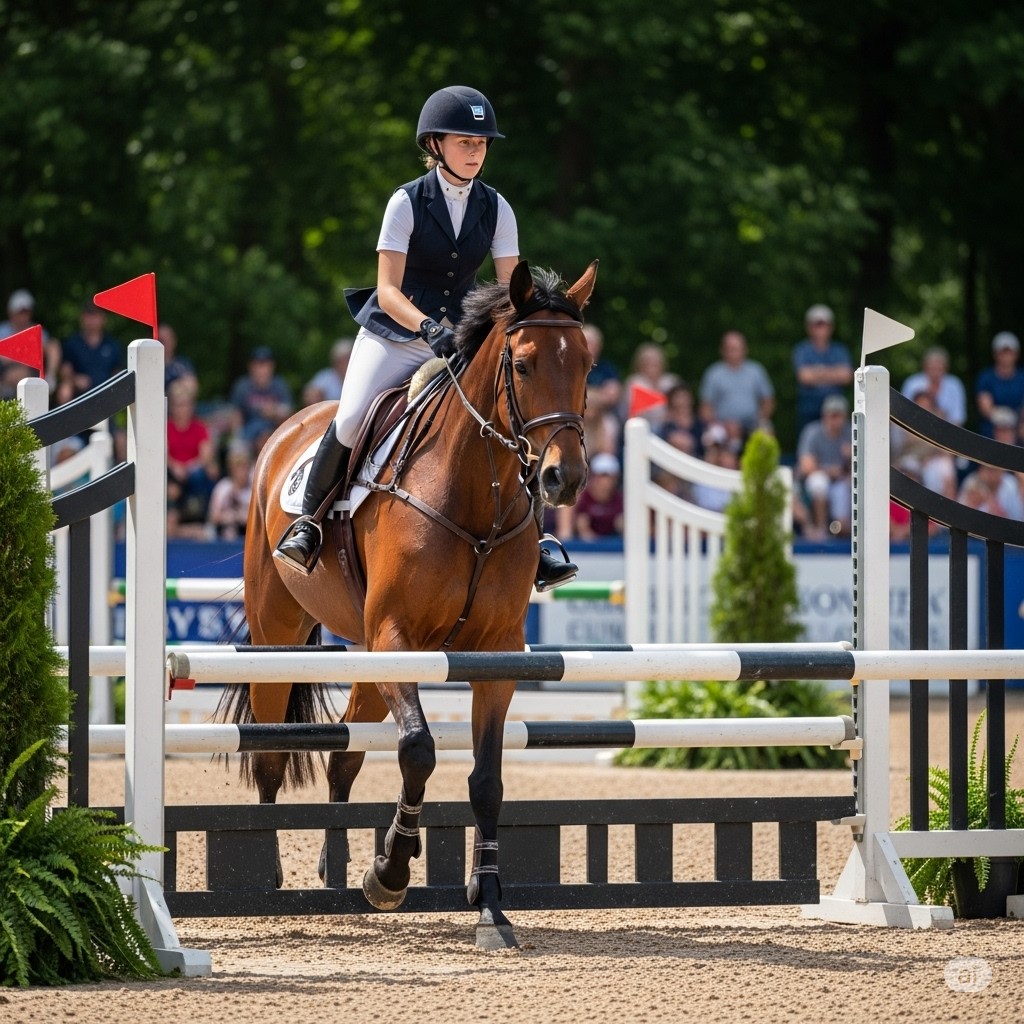
The Tradition, Technique, and Triumph of Equine Hunter Sport
Equine Hunter is more than a competition. It is a celebration of elegance, discipline, and harmony between horse and rider. Rooted in history and refined by tradition, this sport blends aesthetics with athleticism. Riders compete not for speed, but for the precision and grace of their horse’s movement. The focus is on style, rhythm, and consistency. Globally, the Equine Hunter tradition continues to thrive across youth circuits, amateur leagues, and professional events.
Today, this sport holds cultural, social, and even political relevance in some countries. It shapes equestrian values and highlights responsible animal stewardship. In this post, we will dive into the origins, growth, rules, and present-day impact of this captivating discipline.
The Origins and History of the Equine Hunter Sport
The Equine Hunter discipline traces its roots to fox hunting in 17th-century England. Landed gentry rode over the countryside, chasing foxes across fields and jumping over natural obstacles. These outings required horses to maintain a steady pace and jump smoothly over fences, hedges, and ditches.
Over time, hunting became more formalized. In the 19th century, English hunting clubs began hosting judged competitions. These events recreated hunting conditions within enclosed arenas. Riders demonstrated their horse’s ability to maintain balance and composure over fences. Judging emphasized style rather than speed. The earliest of these judged events were called “hunter classes.”
By the early 20th century, the sport migrated to the United States. American shows adapted the British style, emphasizing a more polished look. Horses were bred and trained specifically for show hunters. The discipline grew in popularity among amateur riders and youth programs.
Hunter divisions became a regular feature in horse shows. Organizations such as the United States Equestrian Federation (USEF) codified standards. The tradition remains intact to this day, linking past to present.
Where the Sport is Popular Globally
Although Equine Hunter events began in Britain, they are now most prominent in North America. The United States and Canada host thousands of hunter classes each year. Prestigious events such as the Devon Horse Show, Washington International Horse Show, and the National Horse Show draw global competitors.
In the U.S., Hunter Jumper Association (USHJA) circuits span coast to coast. Riders earn points toward national rankings. Many aspire to qualify for elite competitions like the USEF Junior Hunter National Championships.
Canada mirrors this structure through Equestrian Canada, which runs similar rankings and championships. Shows in British Columbia and Ontario are well-attended and attract international participation.
Beyond North America, the Equine Hunter discipline is gaining traction in other regions. In Europe, countries like Germany, the Netherlands, and Sweden incorporate hunter classes within their show jumping events. These nations emphasize classic training methods and rider form.
Australia and New Zealand also maintain a strong hunter community. Regional shows offer hunter divisions alongside dressage and jumping. Riding schools in both countries include hunter education as part of youth training.
While less dominant than show jumping or dressage globally, Equine Hunter sport continues to expand. Its elegant format appeals to both riders and spectators worldwide.
Amateur and Youth Involvement in Equine Hunter
Amateur riders are the backbone of the Equine Hunter community. From school-level competitions to adult amateur leagues, participation is widespread. In fact, most hunter competitors are not professionals.
In the United States, the Interscholastic Equestrian Association (IEA) and the Intercollegiate Horse Shows Association (IHSA) support youth involvement. Riders from middle school through college can compete without owning a horse. The “catch ride” format tests adaptability and horsemanship.
These programs offer structured levels from beginner walk-trot to advanced hunter seat equitation. Riders are judged on position, control, and effectiveness. Many young athletes begin in local 4-H or Pony Club chapters before advancing.
Amateur adult riders also have various levels to choose from. Divisions are based on skill and experience rather than speed or power. Hunters Under Saddle and Working Hunter classes provide fair opportunities for adults returning to riding.
In Canada, Pony Club and riding academies support similar programs. Youth training emphasizes correct form, consistent pace, and proper care for horses. Many Canadian riders progress from Pony Club to national junior teams.
Europe sees smaller but steady youth engagement. Schools and riding academies often include hunter-style training. Riders develop foundational skills before choosing a specialized discipline.
In developing regions, programs led by NGOs and national federations are helping introduce hunter riding to new audiences. Education and access remain critical for growing participation.
Professional Leagues and Competitive Circuits
While much of Equine Hunter competition is amateur-focused, several professional circuits exist. Top riders earn sponsorships, prize money, and national recognition.
In the United States, the USEF and the USHJA coordinate the most prestigious events. Professional hunter riders compete in classes such as:
- High Performance Hunter
- Green Hunter
- Conformation Hunter
- International Hunter Derby
These classes demand high-quality horses with expressive movement and refined jumping technique. Riders are judged not only on horse performance but also on their ability to show polish and subtlety.
The International Hunter Derby (IHD) is the crown jewel. Launched in 2008, it reintroduced natural elements like brush fences and log jumps. The IHD rewards daring riders who maintain flow and elegance across complex courses.
Prize money for top events can exceed $100,000. Riders such as Liza Boyd, Tori Colvin, and Hunt Tosh have become icons within the sport.
In Canada, the Royal Winter Fair in Toronto hosts top-tier hunter events. These competitions draw international entries and reward excellence in form and function.
Although Europe’s hunter scene remains more modest, elite stables are increasingly investing in hunter programs. Breeders in Germany and the Netherlands are producing warmbloods tailored for the hunter market.
Global circuits are not yet unified. However, ongoing cooperation between federations could lead to a more cohesive international hunter tour in the future.
Political and Social Significance of Equine Hunter Sport
The Equine Hunter tradition reflects broader social and cultural values. Historically, the sport originated in aristocratic hunting culture. Landowners, diplomats, and military officers participated. Over time, it evolved into a more accessible form of recreation and competition.
Today, the sport promotes ethical horse care, discipline, and tradition. Riders are taught to treat horses as partners. This philosophy influences animal welfare standards and equestrian education globally.
In some regions, elite equestrian sports are politically symbolic. Participation can signal status or diplomatic ties. Events like the Royal Windsor Horse Show in the UK draw royal and governmental attention. Equine Hunter classes serve as cultural touchstones within these gatherings.
Socially, the sport promotes community engagement and intergenerational learning. Young riders are mentored by professionals. Horse shows often become family traditions, fostering bonds and character development.
Moreover, the sport empowers youth by developing leadership, patience, and resilience. Riders learn accountability through horse care, goal setting, and competition. Equine programs are increasingly used for therapeutic and developmental purposes.
Nonprofits and outreach initiatives bring hunter education to underserved areas. Programs in urban centers like New York and Los Angeles have introduced riding to new demographics. These efforts help reshape outdated perceptions of equestrian sports as exclusionary.
Rules and Judging Criteria of Equine Hunter
The rules of the Equine Hunter discipline are consistent across most governing bodies. Judging is subjective, but standardized guidelines ensure fairness.
General Structure
Classes are divided by horse and rider experience. Common divisions include:
- Short Stirrup (young riders)
- Children’s Hunter
- Adult Amateur Hunter
- Green Hunter (young or inexperienced horses)
- High Performance Hunter (open to professionals)
Riders complete a course of 8–12 jumps. Fences mimic natural obstacles like coops, walls, brush boxes, and rails.
Judging Criteria
Judges evaluate each round based on:
- Style: The horse’s movement should be smooth, rhythmic, and balanced.
- Jumping Form: Horses must maintain correct bascule (arc) and even knees.
- Consistency: The pace should remain even throughout the round.
- Lead Changes: Horses must perform automatic or simple lead changes between fences.
- Manners: The horse must appear calm, focused, and responsive.
- Rider Position: Equitation and subtle cues matter.
The score is out of 100. An exceptional round might receive a score above 90. Mistakes such as refusals, knockdowns, or breaking gait incur point deductions.
Penalties and Disqualifications
Mistakes include:
- Rail Down (–4 to –10 points)
- Missed Lead Change (–5 to –10)
- Late Change (–2 to –5)
- Refusal (–10 or elimination if repeated)
- Dangerous Riding (grounds for disqualification)
Time is not a factor unless riders exceed the allowed time, which is rare.
Equitation classes, often held alongside hunter classes, shift the focus to the rider’s form and effectiveness. These classes are popular with juniors preparing for medal finals or college riding teams.
Equipment and Presentation
Equipment used in Equine Hunter sport emphasizes tradition and elegance. Horses wear conservative tack:
- Plain cavesson bridle
- D-ring snaffle bit
- Close-contact saddle
- Fitted saddle pad
Riders wear:
- Navy or dark hunt coats
- Beige or tan breeches
- Tall black boots
- White show shirt
- Approved helmet
Braiding is customary. Horses often have neatly braided manes and sometimes tails, especially at higher levels.
This polished appearance contributes to the sport’s visual appeal and demonstrates respect for tradition.
Future of the Equine Hunter Discipline
Equine Hunter sport is adapting to modern demands. Riders and show managers are pushing for broader accessibility and inclusion. Innovations in course design and judging technology aim to enhance objectivity.
The sport is becoming more diverse, with increased participation from riders of all backgrounds. Digital platforms are making training resources more accessible. Online streaming and social media are helping hunter competitions reach broader audiences.
Meanwhile, sustainability is becoming a priority. Eco-conscious showgrounds, ethical breeding, and responsible horse ownership are key concerns for the next generation.
As these changes unfold, the sport will continue to balance tradition with progress.
Conclusion
The Equine Hunter discipline is steeped in history and driven by dedication. It offers riders of all levels a chance to pursue excellence, not through speed or brute strength, but through grace, precision, and partnership with the horse.
From its aristocratic origins to its expanding global reach, the sport has grown while retaining its core values. Youth programs, amateur leagues, and professional circuits keep the tradition alive. Political symbolism and social programs add depth and relevance.
At its heart, Equine Hunter celebrates the quiet harmony between rider and horse. It teaches responsibility, builds community, and upholds a timeless standard of equestrian excellence.
Whether in a small local show or an international derby, the essence remains the same—ride with style, jump with elegance, and always respect the animal that makes it possible.