
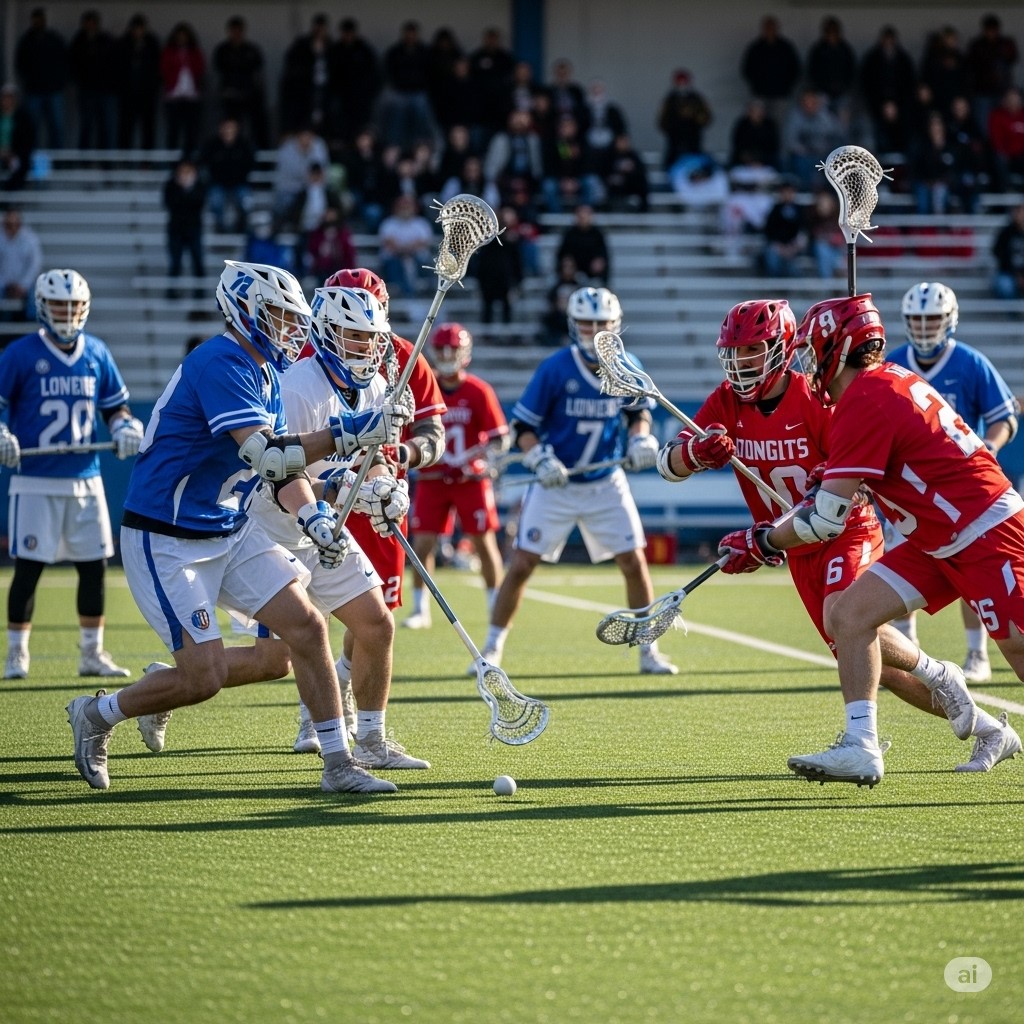
Field Lacrosse: The Fastest Game on Two Feet
Field Lacrosse is a dynamic, high-speed sport that combines physical endurance, strategy, and skill. Known as the “fastest game on two feet,” it captivates fans with nonstop action. Although it originated centuries ago, Field Lacrosse continues to grow in popularity around the world. This blog post will explore its rich history, global influence, amateur development, professional leagues, and social importance. Finally, it will detail the fundamental rules of the game. Whether you’re a curious newcomer or a dedicated fan, this guide will deepen your appreciation for Field Lacrosse.
The Origins and History of Field Lacrosse
Field Lacrosse traces its roots to Indigenous peoples of North America. The game, known as “baggataway” or “tewaarathon,” was more than a pastime. It served as a form of spiritual expression, tribal preparation for war, and conflict resolution. Matches could last for days and involve hundreds of players.
French Jesuit missionaries first documented the sport in the 17th century. They named it “lacrosse” due to the stick’s resemblance to a bishop’s crosier. As European settlers observed the game, they began modifying the rules to suit organized play.
In 1867, Canadian dentist Dr. William George Beers formalized the game. He created the first official rulebook and limited team sizes. That same year, the first official lacrosse game was played in Montreal. As a result, Canada adopted Lacrosse as its national summer sport.
By the late 19th century, Field Lacrosse spread to the United States and England. Universities began forming teams, and the sport gradually gained a foothold in organized athletics. Today, it remains a respected part of both North American and international sports culture.
Global Popularity of Field Lacrosse
While North America remains its heartland, Field Lacrosse is no longer confined to Canada and the United States. Over the past few decades, the sport has taken root in various parts of the world.
In Europe, countries such as England, Germany, Ireland, and the Czech Republic have developed strong lacrosse programs. These nations regularly participate in European Lacrosse Championships. Australia and Japan have also built vibrant lacrosse communities, showcasing their talent on the international stage.
The World Lacrosse organization governs international play. With over 70 member countries, the sport is growing in Asia, Africa, and South America. Nations such as Uganda, Israel, and Colombia are establishing competitive teams and youth programs.
Much of this growth comes from dedicated coaching clinics and global outreach. International tournaments like the World Lacrosse Championship and World Games further enhance the sport’s visibility. Social media and streaming platforms help connect fans across continents.
Amateur Field Lacrosse: Youth and School Programs
Amateur Field Lacrosse forms the backbone of the sport’s global presence. Development begins at the grassroots level, often with youth leagues.
In Canada and the United States, children start playing as early as age five. Programs focus on skill-building, teamwork, and sportsmanship. National governing bodies such as US Lacrosse and Lacrosse Canada provide coaching certification and safety standards.
Middle and high schools in North America often field competitive teams. In some regions, lacrosse ranks among the top spring sports. Students compete in local, regional, and state championships. Many athletes use these programs as a stepping stone to collegiate play.
Colleges and universities in North America offer both club and varsity-level teams. The NCAA oversees men’s and women’s varsity lacrosse, with major programs like Johns Hopkins, Syracuse, and Maryland leading the way.
In Europe and Asia, amateur lacrosse clubs run independently or through national sports associations. While not as widespread in schools, interest continues to grow thanks to international outreach programs. Camps and clinics in these regions aim to develop young talent and raise the sport’s profile.
Professional Field Lacrosse Leagues Around the World
Professional Field Lacrosse has seen steady growth over the past two decades. While North America leads the way, global participation is increasing.
The Premier Lacrosse League (PLL), launched in 2018, revolutionized professional lacrosse. Founded by lacrosse star Paul Rabil, the PLL offers a tour-based format. Instead of city-based teams, clubs travel to different venues each weekend. The league attracts elite talent and showcases high-level competition.
Major League Lacrosse (MLL), formed in 2001, was the original professional field league in the U.S. In 2020, it merged with the PLL, uniting the sport’s top players and fan base.
Canada features the Canadian Lacrosse Association’s senior-level competitions. While Box Lacrosse dominates, field variants exist within club and amateur ranks. Toronto has hosted several international showcases.
In Europe, professional leagues remain limited, but club competition is strong. England’s Premier League Lacrosse and the German Lacrosse Bundesliga are notable examples. These leagues serve as developmental grounds for national teams.
Asia is emerging as a potential growth region. Japan has a semi-professional league, and South Korea is building competitive infrastructure. Events such as the Asia Pacific Lacrosse Championship inspire new players and fans alike.
Political and Social Significance of Field Lacrosse
Field Lacrosse holds deep cultural meaning, especially in North America. For Indigenous communities, the sport remains a sacred tradition. It is often played during ceremonial events and serves as a bridge between generations.
Recognition of these roots has prompted efforts to honor Native American heritage. Events like the Iroquois Nationals’ participation in global tournaments highlight this importance. The team’s inclusion in the World Lacrosse Championships marked a significant political victory. Their right to compete as a sovereign nation reinforces cultural identity and independence.
Beyond Indigenous significance, the sport also plays a unifying role. In urban and suburban communities, lacrosse offers youth a constructive outlet. Programs like Harlem Lacrosse and Denver City Lax promote access to underserved populations. These initiatives provide mentorship, academic support, and athletic development.
Internationally, lacrosse fosters diplomacy and collaboration. Tournaments bring diverse nations together, often building goodwill through sport. As Field Lacrosse expands, it becomes a tool for cultural exchange and mutual understanding.
Rules of Field Lacrosse: The Basics
Understanding Field Lacrosse begins with its field dimensions and team structure. The field measures 110 yards long and 60 yards wide. Each team has ten players: three attackers, three midfielders, three defenders, and one goalie.
The game starts with a face-off at midfield. Two players fight for possession while teammates position themselves strategically. Once possession is gained, teams move the ball with passes, dodges, and quick footwork.
The objective is to score by shooting the ball into the opposing goal. Goals measure 6 feet by 6 feet and are guarded by a fully padded goalie. A goal counts as one point.
Players use lacrosse sticks, which have mesh pockets for catching, carrying, and throwing the ball. Offensive players typically use shorter sticks, while defenders wield longer ones for checking.
Field Lacrosse is divided into four quarters, each lasting 15 minutes. Teams switch sides at halftime. Substitutions occur on the fly, similar to hockey.
Physical contact is permitted but regulated. Legal body checks and stick checks help maintain fair play. Penalties result in a player serving time in the penalty box. Common infractions include slashing, offside, and unsportsmanlike conduct.
Offensive strategies focus on ball movement and creating shooting lanes. Defensive teams rely on communication, positioning, and goalie leadership. Special teams play a key role during man-up or man-down situations.
Game pace is fast and requires high endurance. Coaches rotate players frequently to keep energy levels high. Conditioning, communication, and precision define success.
Conclusion: The Bright Future of Field Lacrosse
Field Lacrosse stands at the intersection of tradition and modern athleticism. It offers rich historical roots, growing global popularity, and a vibrant amateur and professional ecosystem. Socially and politically, it brings people together and honors cultural heritage.
With continued outreach and investment, the sport is poised to expand further. New leagues, youth programs, and international competitions will shape the next generation of players. Fans worldwide can expect thrilling action, deep traditions, and a powerful sense of community.
As Field Lacrosse continues to evolve, it retains its essence. It remains fast, strategic, and fiercely competitive—a sport worthy of respect and admiration across the globe.