
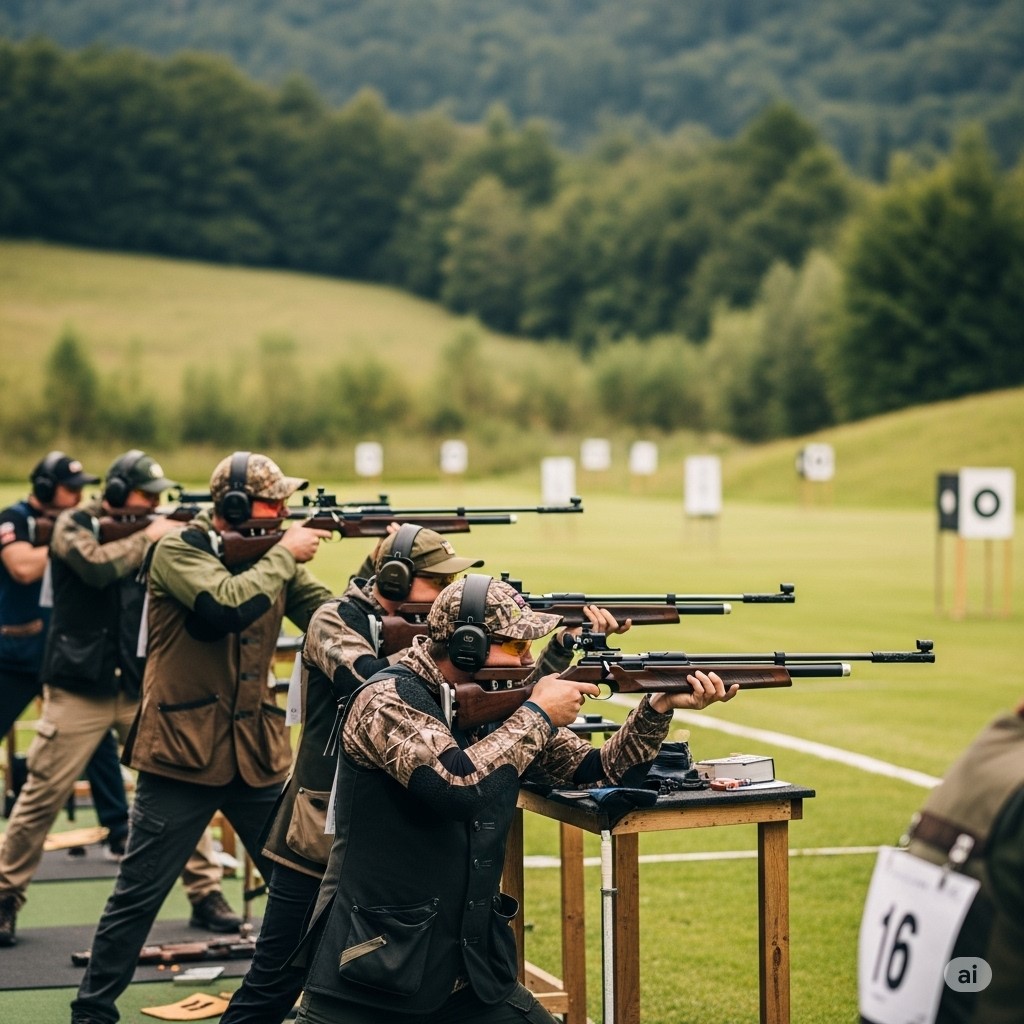
Field Target Shooting: A Global Precision Sport with Growing Appeal
Field Target Shooting is a precision air rifle sport that blends accuracy, strategy, and outdoor experience. Unlike many shooting sports, it simulates real-life hunting scenarios. Competitors fire at metal targets placed at varying distances, typically outdoors. The sport requires focus, breath control, and quick calculations on trajectory and wind.
Originally developed in the early 1980s in the United Kingdom, Field Target Shooting quickly gained traction. It started as a way for hunters to practice their skills during the off-season. Early matches used silhouettes of common game animals, like rabbits or squirrels. The targets included a hit zone that would cause the figure to fall when struck. This realism contributed to its fast rise in popularity.
The Historical Development of Field Target Shooting
The roots of the sport trace back to 1981, with the first documented event taking place in Sussex, England. Enthusiasts sought to maintain hunting accuracy and test their rifles’ performance. Soon after, organized clubs began to emerge. These groups established standards for equipment and competition formats.
By 1984, the British Field Target Association (BFTA) was founded. This organization formalized rules and promoted the sport nationwide. Their efforts set a precedent for other countries to follow. Throughout the late 1980s and early 1990s, Field Target Shooting spread across Europe. Nations like Germany, Norway, and the Netherlands began hosting their own matches.
In 1999, the World Field Target Federation (WFTF) was created. It now oversees international competitions and sets global standards. The WFTF helped unify a growing community under shared rules and ethics. This unity accelerated the sport’s expansion globally.
Global Popularity and Locations
Today, Field Target Shooting is enjoyed in over 40 countries. It has become particularly popular in the UK, South Africa, Poland, and the United States. International championships often feature competitors from Asia, South America, and Oceania.
Europe remains the hub of the sport. Countries like Hungary and Portugal have developed advanced training programs. South Africa consistently performs well in global competitions. In the United States, interest continues to grow, especially in rural and suburban communities. National competitions attract hundreds of participants and thousands of spectators.
Australia and New Zealand have seen a steady increase in clubs and shooters. Japan and Malaysia represent growing interest in Asia. Each region brings unique shooting conditions, which adds excitement to international events.
The sport thrives on community involvement. Most clubs welcome new shooters and provide coaching. This openness fuels a steady rise in global participation. Equipment suppliers, both local and international, support the sport’s infrastructure. Online forums and social media groups further connect the global community.
Amateur Field Target Shooting: Youth and Community Engagement
Amateur participation forms the backbone of Field Target Shooting. Many clubs start local leagues that feed into national events. These leagues provide a platform for beginners and hobbyists. Shooters of all ages and backgrounds compete on an even playing field.
Youth involvement is especially significant. Several countries include Field Target Shooting in school sports programs. In the UK, youth leagues partner with local air rifle clubs. These partnerships provide coaching, safety instruction, and mentorship.
In the U.S., 4-H programs and scout troops often introduce young people to the sport. Safety and sportsmanship are key values taught alongside marksmanship. Parental involvement helps make these youth programs successful.
Field Target Shooting teaches patience, responsibility, and focus. These traits translate well into academic and personal success. Competitions foster a sense of achievement and community. Young shooters often continue into adult leagues, ensuring the sport’s future.
Clubs offer weekend events that promote family involvement. These gatherings include fun shoots, barbecues, and workshops. The relaxed environment encourages newcomers and builds lasting relationships. Some communities even host charity events around Field Target Shooting, blending competition with social good.
Professional Leagues and International Structure
Although most participation is amateur, professional leagues do exist. The WFTF oversees the highest level of competition. It includes member countries from every continent. Each country hosts national championships, which serve as qualifiers for world events.
In Europe, leagues like the UK’s BFTA Grand Prix Series offer high-level competition. These leagues attract top talent and offer sponsorship opportunities. Elite shooters often receive support from airgun manufacturers. This professional relationship helps develop and promote new technologies.
South Africa has produced several world champions. Their leagues maintain rigorous standards and foster a competitive culture. Eastern European countries also contribute top-tier talent. Poland, in particular, has developed a reputation for precision shooting.
The World Championships rotate among member nations. These events highlight the best shooters and showcase national pride. They also promote cultural exchange and international friendship.
Sponsors, including optics manufacturers and air rifle brands, invest in these leagues. Their support helps grow the sport and reward top performers. Some countries offer funding for travel and training to their elite shooters.
Political and Social Significance
Field Target Shooting occupies a unique space in global sports culture. It promotes responsible gun use and education. Many countries use it as a tool to discuss firearm safety and legislation.
In politically tense regions, the sport often serves as neutral ground. Shooters from different backgrounds compete side by side. This shared passion bridges social and political divides. The sport encourages discipline and cooperation across communities.
It also supports local economies. Clubs often purchase land or rent public spaces. Events generate revenue for nearby businesses. Gear sales, hospitality, and transportation all benefit from a vibrant shooting scene.
Socially, the sport strengthens family and community ties. Generations shoot together and pass down knowledge. The culture of mentorship fosters respect between ages and skill levels. Online platforms have further amplified this connection.
Moreover, Field Target Shooting offers accessibility. Many clubs keep entry costs low. This affordability makes it available to a wider population. Adaptive shooting equipment also supports shooters with disabilities.
The sport often finds itself at the intersection of tradition and innovation. It celebrates outdoor heritage while embracing modern technology. This blend appeals to both conservative and progressive audiences. That diversity ensures long-term relevance and growth.
Rules and Equipment of Field Target Shooting
The rules of Field Target Shooting are consistent globally, thanks to WFTF oversight. Shooters use pre-charged pneumatic (PCP) air rifles, most commonly in .177 caliber. These rifles provide the precision needed for small target zones.
Targets resemble small animals with a metal kill zone. The kill zone typically ranges from 15mm to 40mm in diameter. When hit correctly, the target falls backward, signaling a successful shot. If missed, it remains upright.
Competitors face targets at distances from 7 to 50 meters. Courses often include 25 to 50 targets arranged in lanes. Each lane contains two targets, and shooters must fire from designated positions.
Three shooting positions are required: standing, kneeling, and prone. These positions test balance and control. Shooters may use rangefinders integrated into their scopes but cannot use separate devices.
Each shooter receives one shot per target. Scoring is simple: one point for a hit, zero for a miss. The highest total wins. Ties may be broken with a shoot-off.
Courses vary in terrain and environmental challenges. Wind, lighting, and slope all affect shot performance. This variability adds complexity and excitement.
Safety remains a top priority. All participants must follow strict protocols. Range officers oversee matches to ensure compliance. Eye protection is mandatory, and rifles are inspected for compliance.
Equipment rules focus on fairness. Modifications that offer unfair advantages are banned. Shooters must chronograph their rifles before events to confirm power limits. Most competitions set a limit of 12 foot-pounds of energy.
Field Target Shooting requires more than just shooting skill. Competitors must judge wind, estimate range, and adapt to environmental factors. Strategy and experience often determine the winner.
Conclusion: A Sport Rooted in Skill and Community
Field Target Shooting has evolved from humble beginnings to a respected global sport. Its growth has been driven by community passion and international cooperation. From youth leagues to world championships, it attracts shooters of all ages.
The sport thrives in schools, local clubs, and professional circuits. Its emphasis on safety, discipline, and community sets it apart. Each match is both a personal test and a communal celebration.
As more nations discover its appeal, Field Target Shooting will continue to expand. Its blend of tradition, precision, and outdoor enjoyment makes it uniquely enduring. Whether for fun or fame, the sport welcomes all who seek the thrill of the target.