
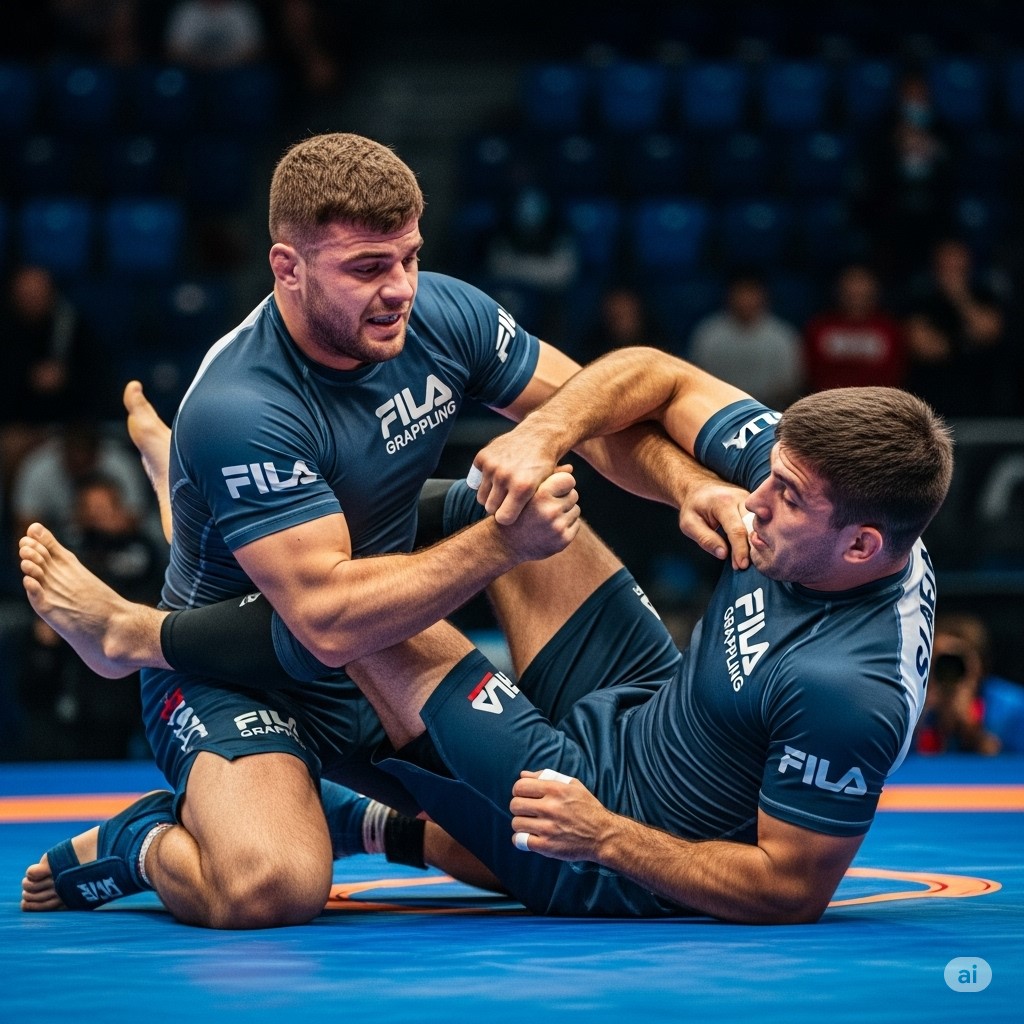
The Global Rise of FILA Grappling: History, Popularity, and Impact
FILA Grappling is a dynamic and demanding combat sport rooted in submission wrestling. It blends techniques from Brazilian Jiu-Jitsu, catch wrestling, judo, and sambo. Governed originally by FILA (Fédération Internationale des Luttes Associées), it has gained international attention for its unique blend of strategy and physical prowess. In this blog post, we will explore the rich history of FILA Grappling, how it has evolved over time, its current global popularity, amateur and professional levels of play, and its rules and societal significance. FILA Grappling stands as a prime example of how a combat sport can grow into a worldwide phenomenon.
The Origins of FILA Grappling
FILA Grappling emerged as a response to the growing popularity of no-gi submission wrestling in the late 1990s and early 2000s. Combat sports enthusiasts and martial artists were gravitating toward hybrid grappling formats that removed traditional uniforms.
In 2004, FILA recognized this movement. Seeking to unify various styles under a consistent rule set, they developed an official framework. The aim was to standardize submission grappling for international competition.
This move gave birth to FILA Grappling. The organization adopted a set of rules that integrated techniques from BJJ, judo, freestyle wrestling, and sambo. By 2006, FILA organized the first official world championship in Antalya, Turkey.
The sport continued to grow. With each passing year, more countries joined the FILA Grappling circuit. Athletes from different martial arts backgrounds competed under a unified rulebook. The goal was clear: crown the most complete grappler.
Global Popularity of FILA Grappling
FILA Grappling gained traction in Europe first. Countries like France, Russia, and Sweden became early adopters. Their rich wrestling traditions made the transition to grappling seamless.
Soon after, Asian nations such as Kazakhstan, Mongolia, and Japan entered the scene. These countries saw grappling as an extension of their own martial arts histories. In the Americas, the sport grew alongside the explosion of mixed martial arts.
Brazil, the home of Brazilian Jiu-Jitsu, welcomed FILA Grappling with open arms. The United States became a major player as well. American wrestlers saw an opportunity to extend their careers beyond collegiate competition.
Today, FILA Grappling events are held across every continent. From regional tournaments in Africa to international championships in Europe, the sport’s reach is impressive.
What truly sets FILA Grappling apart is its inclusivity. Athletes from judo, wrestling, BJJ, and even sambo can compete on equal footing. This diversity fuels its global popularity.
FILA Grappling at the Amateur Level
Amateur FILA Grappling thrives at grassroots levels around the world. Youth programs, school leagues, and local tournaments serve as entry points.
In Europe, national federations host yearly youth championships. These events often align with school calendars. This approach helps integrate the sport into physical education programs.
Asian countries have adopted a similar model. In Kazakhstan and Japan, for instance, grappling clubs often operate within schools. Students train after classes and participate in regional meets.
In North America, FILA Grappling appears in high school clubs and community centers. Non-profit organizations support inner-city programs to engage youth in structured grappling environments.
Africa’s involvement has surged in recent years. Nations like Nigeria and South Africa now host youth grappling festivals. These events draw hundreds of young athletes.
Amateur tournaments follow FILA rules. Matches are structured by age, weight, and experience level. Coaches emphasize both technique and sportsmanship.
Youth participants gain valuable life skills. They learn discipline, respect, and perseverance. Many continue to compete as adults or transition into coaching roles.
Professional Leagues Around the Globe
While FILA Grappling began as an amateur sport, professional opportunities have emerged. Independent promotions and international leagues now provide a platform for elite athletes.
In Russia, the Absolute Championship Berkut (ACB) Grappling League attracts top competitors. Its events are broadcast across Eastern Europe and Asia. Athletes earn cash prizes and sponsorships.
The United States hosts several professional tournaments as well. Promotions like ADCC Trials and Fight2Win include divisions that mirror FILA’s rule set.
Brazil remains a powerhouse. National events like the CBJJE World Cup feature professional-level grapplers. These tournaments serve as qualifiers for international championships.
In Asia, the rise of ONE Championship has sparked grappling-only events. These high-profile matches bring attention to the sport and showcase its strategic elements.
Middle Eastern countries like the UAE have heavily invested in grappling. Abu Dhabi, in particular, funds several professional leagues. They partner with schools and academies to build pipelines.
Though not all leagues operate under FILA branding, many share its core principles. Uniformity in rules helps athletes transition across promotions.
Political and Social Significance
FILA Grappling is more than just a sport. It fosters international unity, promotes cultural exchange, and offers social mobility.
At international tournaments, athletes from rival countries compete respectfully. Shared mats often lead to shared values. Grappling builds mutual respect among diverse cultures.
The sport also serves diplomatic purposes. Federations from nations with tense relations often collaborate. These efforts promote peace through sport.
On the social level, FILA Grappling provides an alternative path for youth. In underprivileged areas, it offers structure and hope. Training builds confidence and keeps young people off the streets.
In many countries, grappling is integrated into police and military training. This crossover strengthens civil institutions and enhances public safety.
Gender equality has improved as well. More women compete in FILA Grappling every year. Events now include female divisions with equal recognition.
Culturally, the sport has become a melting pot. Athletes learn techniques and philosophies from multiple disciplines. This diversity enriches the grappling community.
The Rules of FILA Grappling
It follows a clearly defined rule set to ensure fairness and safety. The rules blend elements from various martial arts.
Matches take place on wrestling mats. Competitors wear rash guards and shorts, with no traditional gi. This setup levels the playing field.
Divisions are separated by age, gender, and weight. Each match lasts five minutes in amateur divisions. Professional matches can go longer.
Points are awarded for positional dominance. Takedowns, guard passes, and mount control earn specific points. Submission attempts can also score.
The goal is to win by submission or accumulate more points. Referees ensure compliance with rules and can penalize stalling or illegal moves.
Illegal techniques include slams, twisting leg locks, and eye gouging. Safety is a top priority. Medical staff are present at every event.
If a match ends in a tie, referees use criteria such as aggression and control to declare a winner. This prevents draws and ensures competitive pacing.
Matches begin with athletes standing. Takedowns initiate the ground phase. From there, athletes attempt to advance positions and submit their opponents.
Points encourage strategic grappling. Athletes must balance aggression with defense. This makes FILA Grappling both exciting and tactical.
Why FILA Grappling Matters
FILA Grappling bridges the gap between martial arts traditions. It brings together athletes from various disciplines under one banner.
The sport teaches discipline, humility, and respect. These values carry into everyday life. Athletes often become role models in their communities.
International events showcase cultural diversity. They highlight the universality of human movement and competition.
Furthermore, FILA Grappling has inspired innovations in coaching and training. Cross-training among different martial arts has become common. This evolution elevates the entire combat sports landscape.
In areas of conflict, grappling serves as a peace-building tool. It fosters mutual understanding and trust. Communities find unity on the mat.
As more countries adopt FILA Grappling, its positive influence will grow. The sport holds the power to inspire the next generation.
Final Thoughts
FILA Grappling continues to expand in scope and influence. From humble beginnings to a global stage, its journey is far from over. With consistent rules, inclusive participation, and rising professional opportunities, the sport is here to stay.
Its impact extends beyond competition. FILA Grappling builds character, community, and cross-cultural bonds. It exemplifies what combat sports can achieve when guided by values.
Whether in a school gym, professional arena, or international stage, FILA Grappling brings people together. And that makes it a sport worth celebrating.