
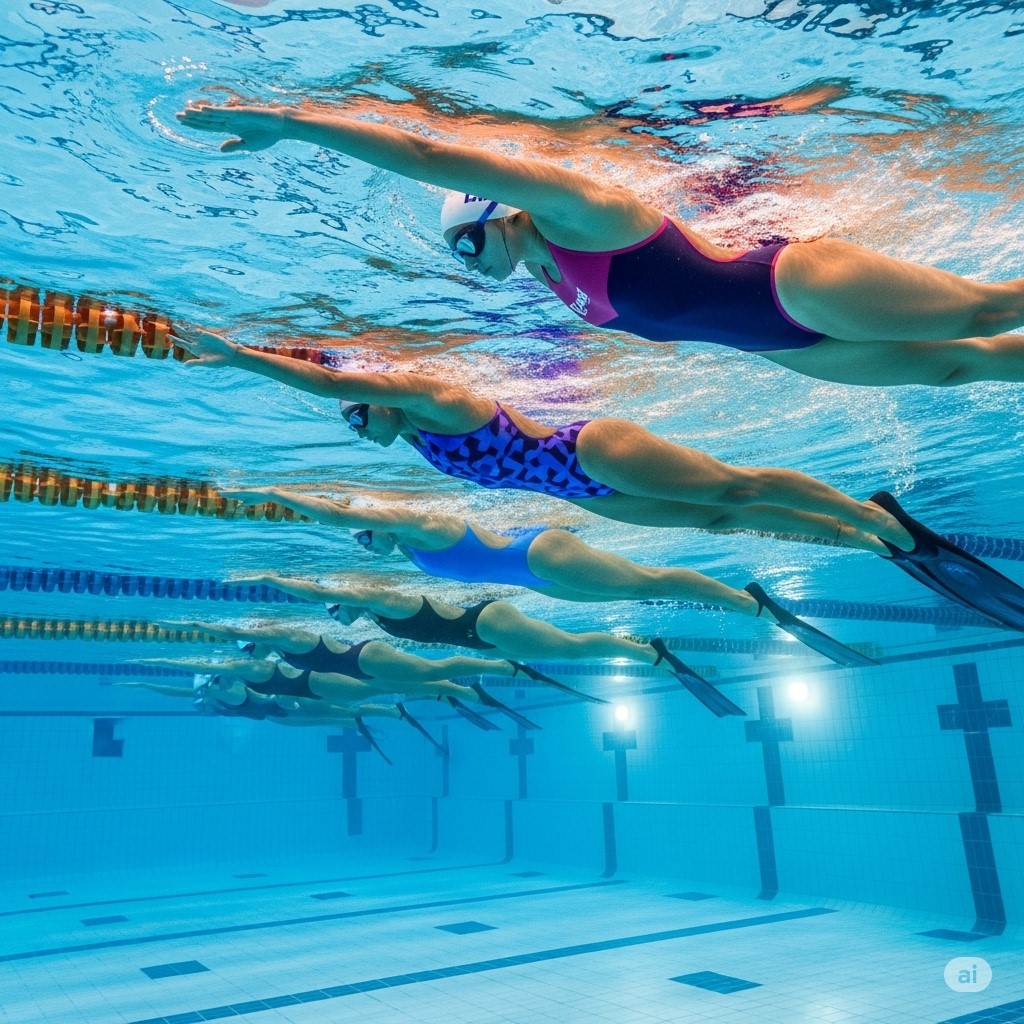
Finswimming: Diving Into One of the World’s Fastest Water Sports
Finswimming is a thrilling, high-speed water sport that combines athleticism, technology, and technique. Unlike traditional swimming, finswimmers use specialized fins and snorkels to reach incredible speeds. This aquatic sport continues to grow, captivating audiences and athletes worldwide. In this article, you’ll discover the fascinating origins, global popularity, amateur engagement, professional structure, and cultural significance of Finswimming. Let’s dive in.
The Origin and History of Finswimming
Finswimming began in Europe after World War II. The sport developed from military diving practices. Soldiers trained in underwater maneuvering using fins, masks, and snorkels. Eventually, these drills evolved into competitions.
In 1953, the Soviet Union organized one of the first recorded finswimming contests. Soon after, other Eastern European countries followed. These early competitions focused on distance and underwater techniques.
By the 1960s, the sport became more structured. Italy, France, and Germany began organizing national events. The Confédération Mondiale des Activités Subaquatiques (CMAS) was formed in 1959. It played a crucial role in standardizing rules and promoting the sport globally.
Finswimming gained traction in Asia during the 1970s and 1980s. China and South Korea developed strong national programs. These countries began producing elite-level athletes. Over the years, Finswimming has spread to every continent. The International Olympic Committee recognizes CMAS, although the sport is not yet in the Olympics.
Global Popularity and Where Finswimming Thrives
Today, Finswimming is practiced in over 100 countries. Europe remains a dominant force. Nations like Russia, Hungary, and Italy lead in both participation and performance. In Asia, China and South Korea continue to excel.
Latin America has seen steady growth. Countries like Colombia and Venezuela now host regular competitions. Africa is developing interest, particularly in Egypt and South Africa.
In North America, Finswimming is still growing. The United States and Canada have emerging communities. Regional clubs are spreading awareness and training young athletes. Australia also maintains a modest but passionate finswimming community.
Global championships take place regularly. The CMAS World Championships attract hundreds of elite athletes. Continental competitions in Europe and Asia also draw strong crowds and media attention. These events provide platforms for record-breaking performances.
Amateur Finswimming: Youth and School Programs
Grassroots development is essential for any sport. Finswimming is no exception. Amateur finswimming programs exist in many countries. They provide opportunities for young athletes to train and compete.
In Europe, several nations integrate finswimming into school sports curricula. Italy and Hungary have established junior leagues. These leagues include age categories, ensuring fair competition and skill development.
Asia takes a similar approach. China has dedicated sports schools for aquatic disciplines. These institutions identify talent early and provide advanced training. South Korea supports youth programs through government-funded clubs.
In the United States, finswimming is mostly club-based. Organizations partner with local pools and swim teams. While school-based programs are rare, clubs often cater to middle and high school students.
Amateur events include local, regional, and national championships. Youth participation helps feed professional leagues. It also promotes lifelong fitness and water safety.
Professional Leagues and Competitions Around the World
Professional finswimming has grown significantly in the past two decades. While not as commercialized as other sports, it has a well-defined structure.
Europe hosts the most organized professional competitions. Countries like Russia and Italy have national leagues. These leagues include multiple meets per season. Athletes compete for national titles and ranking points.
The CMAS World Cup series is the pinnacle of professional finswimming. Held annually, the series includes multiple stages across various countries. Athletes accumulate points at each stage. The highest scorers win overall titles.
Asia also supports professional events. China hosts the National Finswimming Championships. South Korea runs similar competitions, attracting elite talent from around the region. Prize money and sponsorships support top athletes.
South America is catching up. Colombia and Venezuela have introduced semi-professional leagues. These events receive support from national sports federations.
Although North America lacks formal leagues, several top athletes participate in global competitions. The hope is that continued exposure will lead to more structured professional opportunities in the region.
Political and Social Significance of the Sport
Finswimming may seem like a niche sport, but it holds political and social weight in several regions. In Eastern Europe and Asia, it symbolizes national pride. Governments fund finswimming programs to showcase athletic prowess on the world stage.
In China, finswimming is part of a broader effort to excel in Olympic and non-Olympic sports. Athletes are trained in state-sponsored institutions. Their success reflects the country’s commitment to sports excellence.
Socially, the sport promotes water safety and youth development. In countries prone to water-related accidents, finswimming builds essential swimming skills. Communities see it as both a sport and a life skill.
Moreover, the sport fosters international friendship. Events often involve cultural exchanges, helping bridge divides. Athletes form lifelong bonds with peers from other nations. This spirit of unity aligns with CMAS’s mission to encourage global cooperation.
Environmental awareness is another aspect. Finswimming events sometimes pair with conservation campaigns. These initiatives highlight the importance of clean, safe aquatic environments. Athletes become ambassadors for ocean and river health.
Rules and Techniques in Finswimming
It has four main disciplines. Each uses specific equipment and techniques:
- Surface Finswimming (SF): Athletes swim on the water’s surface. They use a monofin and snorkel.
- Apnea Finswimming (AP): Swimmers cover 50 meters underwater in a single breath.
- Immersion Finswimming with Breathing Apparatus (IM): Competitors use scuba gear to swim underwater over longer distances.
- Bi-fins (BF): Swimmers use two fins (one on each foot) and snorkel, usually for surface races.
All events take place in standard swimming pools. The most common distances include 50m, 100m, 200m, 400m, 800m, and 1500m.
Starts are explosive. Athletes dive from starting blocks using streamlined body positions. In surface and bi-fins events, swimmers must stay at the surface after 15 meters. Underwater distances require strict adherence to depth and breathing rules.
Turns and finishes are similar to traditional swimming. However, the presence of fins changes technique. Swimmers focus on maintaining fluid motion and minimizing resistance.
Judges monitor compliance. Disqualifications occur for improper technique or equipment use. Events also employ electronic timing systems to ensure accuracy.
Training includes both pool and dryland workouts. Athletes build cardiovascular endurance, core strength, and flexibility. Technical drills improve fin control and breathing efficiency.
Equipment Used in Finswimming
The sport relies on specialized gear. Each item serves a specific purpose to enhance speed and performance.
- Monofins: Large, single fins attached to both feet. They generate dolphin-like propulsion.
- Bi-fins: Two separate fins. These allow more flexibility but are slightly slower.
- Snorkels: Used in surface events to allow continuous breathing.
- Wetsuits or Skinsuits: Reduce drag and provide slight buoyancy.
- Masks or Goggles: Help athletes see clearly underwater.
High-performance gear can be expensive. Many professional athletes work with sponsors. Manufacturers like WaterWay, Breier, and Leaderfins dominate the market.
Proper gear fitting is crucial. Misfitting fins or masks can hinder performance. Coaches and trainers often assist with equipment selection.
Future Prospects and Olympic Aspirations
The push to include finswimming in the Olympics continues. CMAS works closely with international bodies to promote the sport.
Inclusion in regional games has helped. Finswimming is already part of the Asian Indoor and Martial Arts Games. The sport also appears in the World Games, which feature non-Olympic disciplines.
Supporters argue that finswimming adds diversity and excitement. Its fast pace and visual appeal are ideal for modern audiences. With growing participation and media interest, Olympic inclusion seems possible in the future.
Youth programs and international cooperation play vital roles. As more countries adopt finswimming, its global footprint expands. This momentum supports efforts to elevate the sport to the Olympic level.
Conclusion: Why Finswimming Matters
Finswimming offers more than speed. It teaches discipline, builds international friendships, and promotes environmental awareness. The sport’s rich history and growing popularity underscore its importance.
From its military roots to today’s professional leagues, the journey of finswimming is inspiring. It continues to attract athletes, fans, and sponsors. Its future looks bright.
Whether you’re a young athlete, a sports fan, or a curious reader, finswimming deserves your attention. This sport is fast, exciting, and full of potential.
With more investment, awareness, and support, finswimming could become one of the defining aquatic sports of the 21st century.