
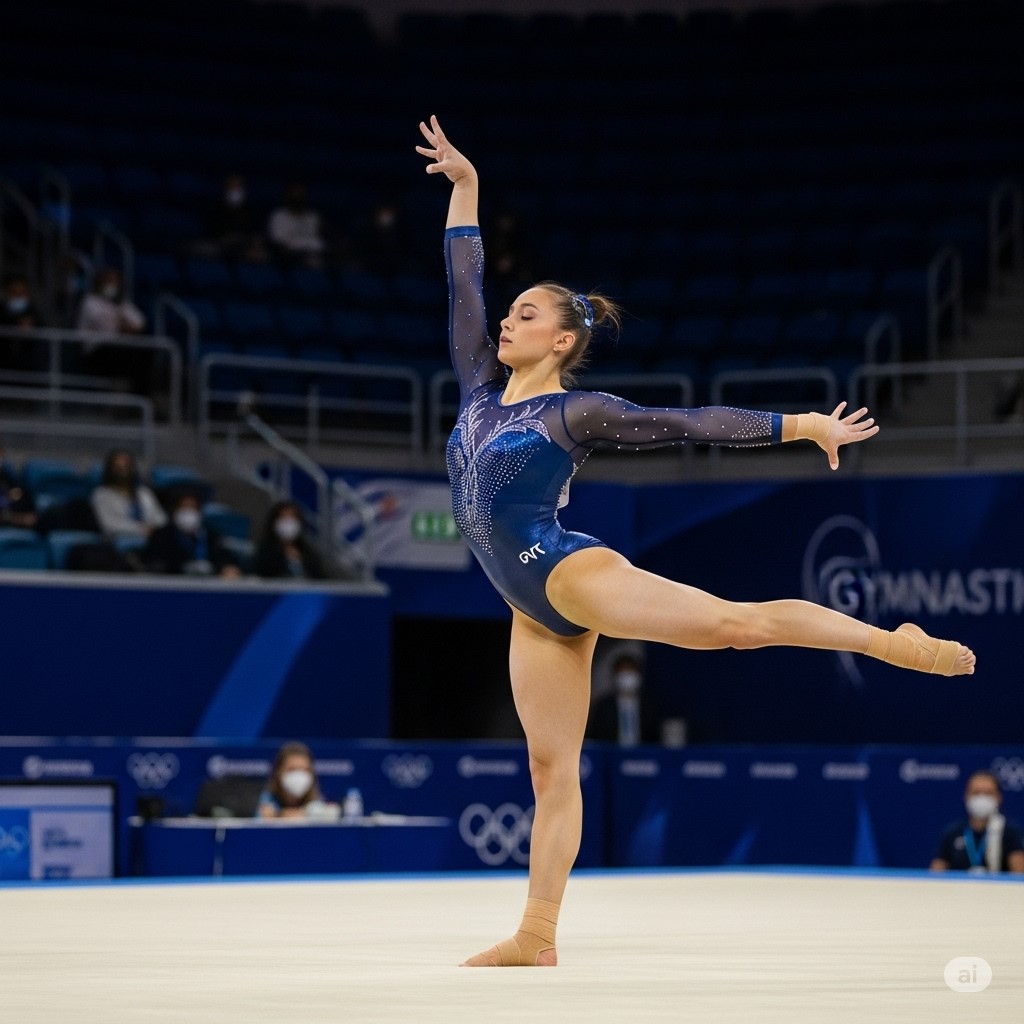
Floor Gymnastics: A Deep Dive into the Art, Sport, and Global Impact
Floor Gymnastics is a captivating blend of athleticism, artistry, and precision. It is one of the most iconic disciplines in the world of sports. From its origins in ancient civilizations to its modern-day status, Floor Gymnastics has evolved significantly. Today, it enjoys widespread global popularity. The sport engages athletes from all age groups and countries. This blog explores the history, rules, popularity, amateur landscape, professional leagues, and societal impact of Floor Gymnastics.
The Origins and Historical Roots
Floor Gymnastics traces its roots to ancient Greece. Greek athletes performed exercises that emphasized strength, flexibility, and form. These early routines aimed to prepare warriors for battle and honor the gods. Eventually, Roman culture adopted and adapted these practices. They were then passed down through generations.
During the 19th century, modern gymnastics began to take shape in Europe. Germany and Sweden were pioneers. They emphasized calisthenics and floor exercises. Friedrich Ludwig Jahn, known as the “father of modern gymnastics,” introduced organized routines. His work laid the foundation for competitive formats.
In the early 20th century, Floor Gymnastics emerged as a distinct category. It separated from apparatus-based routines. The Olympic Games further legitimized the sport. In 1936, men’s floor exercise became an official event. Women’s floor routines were added in 1952. Since then, the sport has continued to gain momentum.
Global Popularity and Geographic Reach
Floor Gymnastics enjoys a global fanbase. It is particularly popular in countries like the United States, Russia, China, Japan, and Brazil. Each nation brings unique styles and techniques to the mat. The Olympic Games and World Championships showcase these regional distinctions.
In North America, the NCAA has helped popularize the sport at the collegiate level. American gymnasts such as Simone Biles and Katelyn Ohashi have captivated millions. Their routines often go viral on social media.
Russia and Eastern Europe emphasize grace and technical precision. Athletes from this region often dominate international competitions. China and Japan focus on discipline and innovation. Brazil brings flair and enthusiasm that excite audiences.
Social media has played a significant role in increasing visibility. Platforms like YouTube and Instagram feature countless floor routines. Fans worldwide now engage with the sport daily. Television broadcasts of major events also help maintain its popularity.
Amateur Floor Gymnastics: Youth and Schools
Amateur Floor Gymnastics thrives at the grassroots level. Children as young as three begin training in local clubs. These early programs focus on balance, coordination, and flexibility.
Schools and community centers often sponsor gymnastics programs. These serve as entry points for young athletes. Teachers emphasize foundational skills before progressing to complex moves.
In many countries, youth leagues hold regional and national competitions. Events provide children with opportunities to gain experience and build confidence. Organizations like USA Gymnastics offer structured pathways from beginner to elite.
In Europe, schools integrate Floor Gymnastics into physical education. Students learn basic routines and perform in school festivals. These experiences foster teamwork, discipline, and self-expression.
Asia follows a similar model. Countries like China and Japan maintain rigorous training academies. Talented children receive early scholarships to attend specialized schools. These institutions prepare them for future international competitions.
Africa and Latin America have seen recent growth in amateur programs. Nonprofit groups and international organizations support local training centers. These efforts aim to democratize access to the sport.
Professional Leagues and Competitive Landscape
Several international organizations govern professional Floor Gymnastics. The International Gymnastics Federation (FIG) is the primary authority. It sets global standards and organizes major competitions.
The Olympic Games remain the pinnacle of professional competition. Every four years, gymnasts compete for the highest honors. The World Championships also attract top-tier talent annually.
In the United States, the NCAA offers a unique professional-amateur hybrid. College athletes compete at a high level while pursuing education. Many go on to represent their countries on the world stage.
Japan and China have national leagues that promote professional growth. These leagues provide year-round training and competitive opportunities. Russian and Eastern European countries host state-sponsored clubs.
Private competitions have also emerged. Events like the American Cup and Stuttgart World Cup provide additional platforms. These are often televised and heavily marketed.
Professional gymnasts typically sign with sponsors. They may appear in commercials, endorse products, and perform in exhibitions. This commercial aspect sustains their careers beyond competition.
Political and Social Significance
Floor Gymnastics carries immense political and social weight. The sport often becomes a stage for national pride. Olympic victories serve as symbols of a country’s strength and unity.
During the Cold War, gymnastics became a battleground for ideological supremacy. The United States and the Soviet Union used the sport for propaganda. Victories were celebrated as political triumphs.
More recently, Floor Gymnastics has spotlighted gender equality. Female athletes have gained significant recognition. Icons like Nadia Comaneci and Simone Biles have become global role models.
The sport also addresses mental health and body image issues. Athletes openly discuss the pressures they face. Their honesty has sparked important conversations and reforms.
Inclusion and diversity are now central themes. Gymnasts from diverse backgrounds find a voice through the sport. LGBTQ+ representation has increased in recent years.
Programs in underserved communities use Floor Gymnastics as a tool for empowerment. Participation helps build self-esteem and life skills. This social role enhances the sport’s value beyond competition.
Rules and Structure of Floor Gymnastics
Floor Gymnastics takes place on a 12×12 meter mat. Athletes perform a choreographed routine lasting up to 90 seconds. Music accompanies the routines in women’s events but not in men’s.
Routines include tumbling passes, leaps, turns, and dance elements. Athletes must combine power with artistry. Judges score based on difficulty, execution, and artistry.
The Difficulty Score evaluates the routine’s complexity. It includes acrobatic skills, connections, and composition. Athletes select elements that maximize their potential score.
The Execution Score starts at 10.0. Deductions are made for mistakes like stumbles, poor form, or imbalance. Judges use high-speed cameras to ensure accuracy.
Artistry includes expression, rhythm, and presentation. It accounts for a significant portion of the final score. Athletes must engage the audience and convey emotion.
Women’s routines are more expressive, blending dance and gymnastics. Men’s routines emphasize strength and tumbling. Both demand precision, flexibility, and control.
Penalties apply for stepping out of bounds or exceeding time limits. Uniform guidelines and safety protocols are strictly enforced.
Training focuses on repetition, flexibility, and muscle memory. Coaches analyze each routine to identify areas for improvement. Athletes train year-round to perfect their performances.
Closing Thoughts
Floor Gymnastics stands at the crossroads of sport, art, and global culture. Its history is rich and complex. The sport engages millions worldwide through amateur clubs, professional leagues, and international competitions.
Its global reach reflects shared human values—discipline, grace, and perseverance. Floor Gymnastics offers more than just athletic feats. It tells stories, challenges norms, and inspires change.
From local schools to Olympic stadiums, the sport continues to evolve. Its impact on politics, society, and individual lives remains profound. Floor Gymnastics is not merely a competition. It is a celebration of what the human body and spirit can achieve.
As we look ahead, the future promises even greater inclusivity and innovation. With each new generation, the legacy of Floor Gymnastics grows stronger. It will continue to captivate, educate, and inspire the world for years to come.