
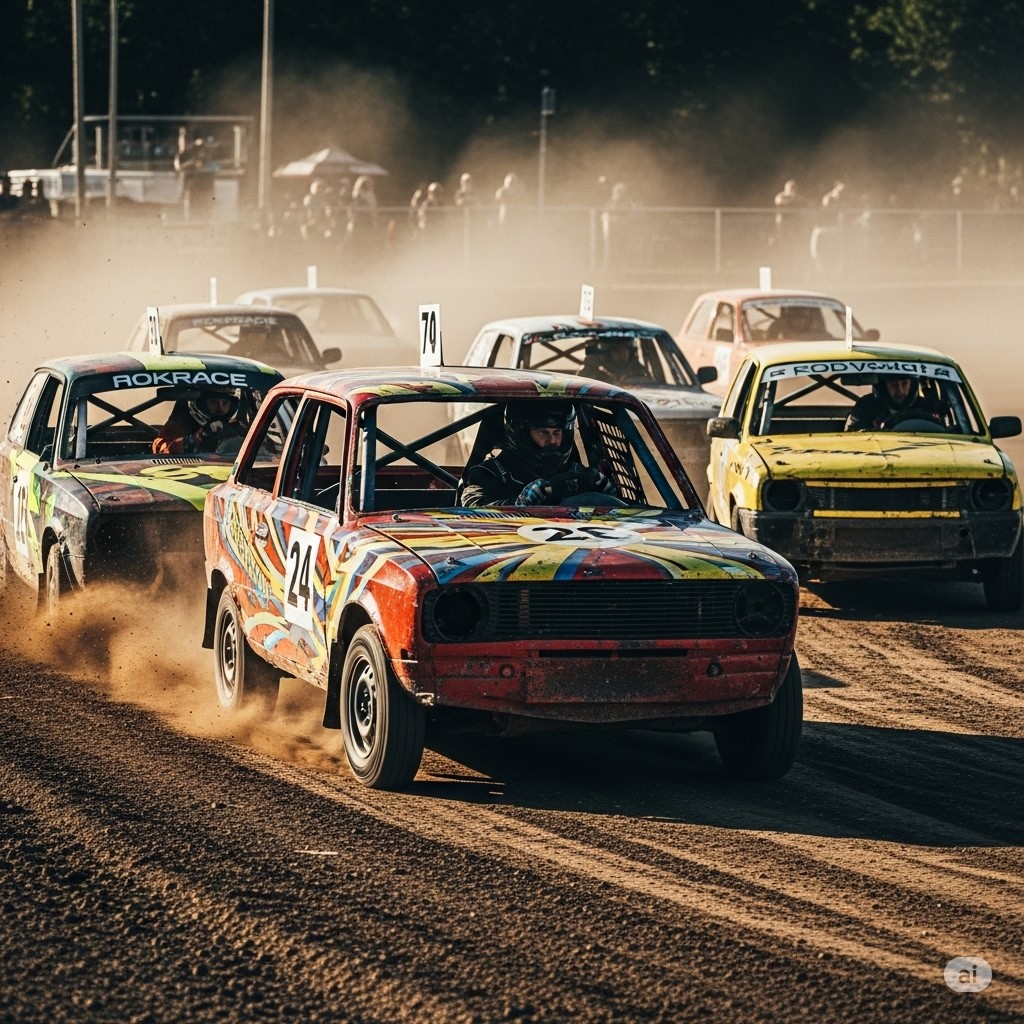
Folkrace: The Thrilling World of Grassroots Racing
Folkrace is a motorsport like no other. Rooted deeply in Scandinavian culture, it delivers high-octane fun on a shoestring budget. This unique form of auto racing is designed for accessibility, safety, and raw excitement. From young enthusiasts to veteran drivers, everyone finds a home in the Folkrace community. The sport captures hearts in local arenas while inspiring international curiosity. By exploring its origins, growth, rules, and impact, we uncover why Folkrace has become a cultural phenomenon.
The Birthplace of Folkrace
Folkrace originated in Sweden in 1981. Motorsport authorities wanted to create a safe and affordable racing format. The goal was simple: give everyday people the thrill of competition without the high costs. Inspiration came from Finnish “Jokamiehenluokka,” which means “Everyman’s Class.”
Swedish engineers and race organizers collaborated to design cars that were cheap, durable, and easy to repair. Strict regulations ensured safety and fairness. These efforts produced a motorsport where ingenuity mattered more than money. Norway and Finland quickly adopted the idea, and the concept spread across the region.
A Simple Concept with Big Appeal
At its core, Folkrace is straightforward. Drivers race on dirt or gravel tracks in modified street cars. The tracks are short and full of twists, turns, and bumps. Spectators line the fences, cheering for their favorite drivers.
One standout rule sets Folkrace apart. After any race, anyone can place a bid on another racer’s car. The price is fixed and relatively low. If multiple people place a bid, a random draw decides who gets the car. This rule prevents drivers from pouring too much money into their vehicles, which keeps the competition fair.
Global Popularity and Regional Growth
Although Folkrace began in Sweden, it has expanded across borders. The sport found fans in Norway and Finland soon after its inception. Denmark also embraced the format, creating local leagues and youth programs.
In the 2000s, interest spread to other parts of Europe. Germany, the United Kingdom, and the Netherlands began experimenting with similar formats. Enthusiasts in the United States and Canada have recently developed grassroots versions inspired by Scandinavian Folkrace.
These communities often gather on social media, sharing videos, build guides, and race results. YouTube and TikTok have played major roles in boosting the sport’s visibility. Drivers from distant regions now participate in informal international meets. While Scandinavia remains the stronghold, global growth continues steadily.
Youth and School Programs
One of the sport’s most remarkable features is its accessibility for youth. In Sweden and Finland, drivers can compete as young as 15 years old. Special youth classes give teenagers a safe and structured environment to learn.
Schools and clubs often sponsor teams. Mechanics and automotive programs build Folkrace cars as educational projects. Students learn vehicle maintenance, safety procedures, and teamwork through hands-on experience.
Family involvement is also common. Parents and siblings often participate together, either as racers or part of the pit crew. This dynamic builds community spirit and encourages responsible driving habits among youth.
Amateur Enthusiasts Fuel the Scene
Most Folkrace participants are amateurs. Weekend warriors modify cars in home garages using basic tools and salvaged parts. They race for the thrill, the community, and the chance to improve.
These amateur events attract huge crowds in rural regions. Entry fees are low, and safety equipment is standardized. Marshals ensure clean racing, and penalties keep things in check.
Unlike other motorsports, there’s little elitism in Folkrace. Everyone has a chance to win if they have the skill and determination. The emphasis remains on fun and fair play, not prestige or profit.
Professional Leagues and Competitive Circuits
While most racers stay amateur, professional Folkrace leagues have emerged. In Sweden, the SM (Swedish Championships) attracts top talent. These events are more structured, with points systems and prize money.
Finland hosts a national championship known as “Jokamiehenluokan SM.” The level of competition is fierce. Drivers train year-round and gain sponsorships from local businesses.
Although the sport is not part of global motorsport federations like the FIA, it draws strong local and regional support. Racing organizations maintain strict standards. Cars undergo regular inspections, and driver behavior is closely monitored.
Interest in professional circuits is growing beyond Scandinavia. Events in Eastern Europe and Russia now attract international drivers. Promoters hope to one day unify these leagues under a broader championship umbrella.
Social Impact and Cultural Significance
Folkrace isn’t just a sport—it’s a cultural movement. In Sweden and Finland, it represents rural resilience, family bonding, and local pride. Communities often rally around their homegrown racers. Towns hold annual events that become festivals, complete with food, music, and entertainment.
The sport has also played a role in breaking gender barriers. Female participation is high compared to other motorsports. Mixed-gender races are common, and many women have reached championship status.
Inclusion remains a core value. Organizers encourage people of all ages, backgrounds, and abilities to get involved. This open-door approach has made Folkrace a symbol of social unity.
Political Dimensions of Folkrace
Local governments often support Folkrace. Municipalities see value in providing youth with positive outlets. Racing clubs receive public funding for tracks, safety gear, and training programs.
Some politicians have used Folkrace events to connect with constituents. The grassroots nature of the sport aligns with political ideals like self-reliance and community involvement.
Occasionally, the sport becomes a platform for protest or awareness. For instance, some races have included themes like climate action or anti-drug campaigns. In these instances, Folkrace becomes more than entertainment—it becomes a voice for local issues.
Rules That Keep It Fair and Safe
The rulebook for Folkrace is comprehensive but logical. Safety stands above all else. Every vehicle must pass a technical inspection before racing. Mandatory features include roll cages, racing harnesses, and fire extinguishers.
Cars must be front-wheel drive and built to a limited specification. This keeps speeds moderate and ensures driver control. No turbochargers or extensive modifications are allowed.
Each race typically involves six cars on a short, looping track. The start is a standing grid. Drivers must navigate tight corners, uneven surfaces, and occasional jumps.
Contact between cars is expected but must remain controlled. Deliberate ramming or dangerous maneuvers lead to disqualification. Track marshals enforce these rules rigorously.
As mentioned earlier, a unique bidding system prevents unfair advantages. After a race, anyone can offer to buy a competing car at a fixed price. This rule discourages excessive spending on performance enhancements.
Events and Seasonal Calendars
Folkrace runs year-round in some areas, though summer is peak season. Sweden and Finland host dozens of events from May through September. Larger competitions feature multiple classes, including youth, senior, and women’s divisions.
Track conditions vary by region. Some are muddy and rugged, others dry and dusty. These variations test a driver’s adaptability.
Annual events like the “Midnight Sun Folkrace” attract thousands of spectators. Drivers camp out for multi-day tournaments. The sense of camaraderie is strong. Stories, repairs, and strategies are shared over barbecues and bonfires.
Building a Folkrace Car
Constructing a legal Folkrace car is a rite of passage for many. Builders start with a low-cost, front-wheel drive vehicle. Popular choices include older Volvos, Saabs, and Volkswagens.
The interior is stripped to bare metal. Builders install safety cages, racing seats, and kill switches. Engine upgrades are minimal. Durability and simplicity are prioritized.
Many use donated or salvaged parts. This encourages creativity and reduces waste. The goal is not a polished showpiece but a battle-ready machine.
Car preparation becomes a family or community effort. Workshops turn into classrooms. Young drivers gain mechanical knowledge before they ever hit the track.
The Future of Folkrace
As awareness grows, so does participation. Countries with no historical connection to the sport are adopting its principles. Low cost, high energy, and strong community make it attractive.
Digital platforms amplify its reach. Live streams, racing simulators, and virtual leagues introduce new audiences. Some clubs even organize online contests that mimic real-world Folkrace events.
Environmental concerns have also sparked innovation. Electric and hybrid classes are being tested. These green alternatives keep the spirit of the sport while addressing modern challenges.
The potential for global expansion is real. With the right support, Folkrace could evolve into a universally recognized amateur racing format.
Why Folkrace Matters
Folkrace matters because it levels the playing field. It allows everyday people to experience the thrill of motorsport. The sport fosters community, builds skills, and promotes fairness.
Its blend of chaos and control reflects real life. Every race teaches perseverance, quick thinking, and respect for others. Win or lose, the experience is always enriching.
From its humble beginnings in Sweden to its growing international footprint, Folkrace remains grounded in its core values. It’s fast, it’s fun, and it belongs to everyone.
So whether you’re a gearhead or just curious, consider checking out a Folkrace event. You might just find your new favorite sport.