
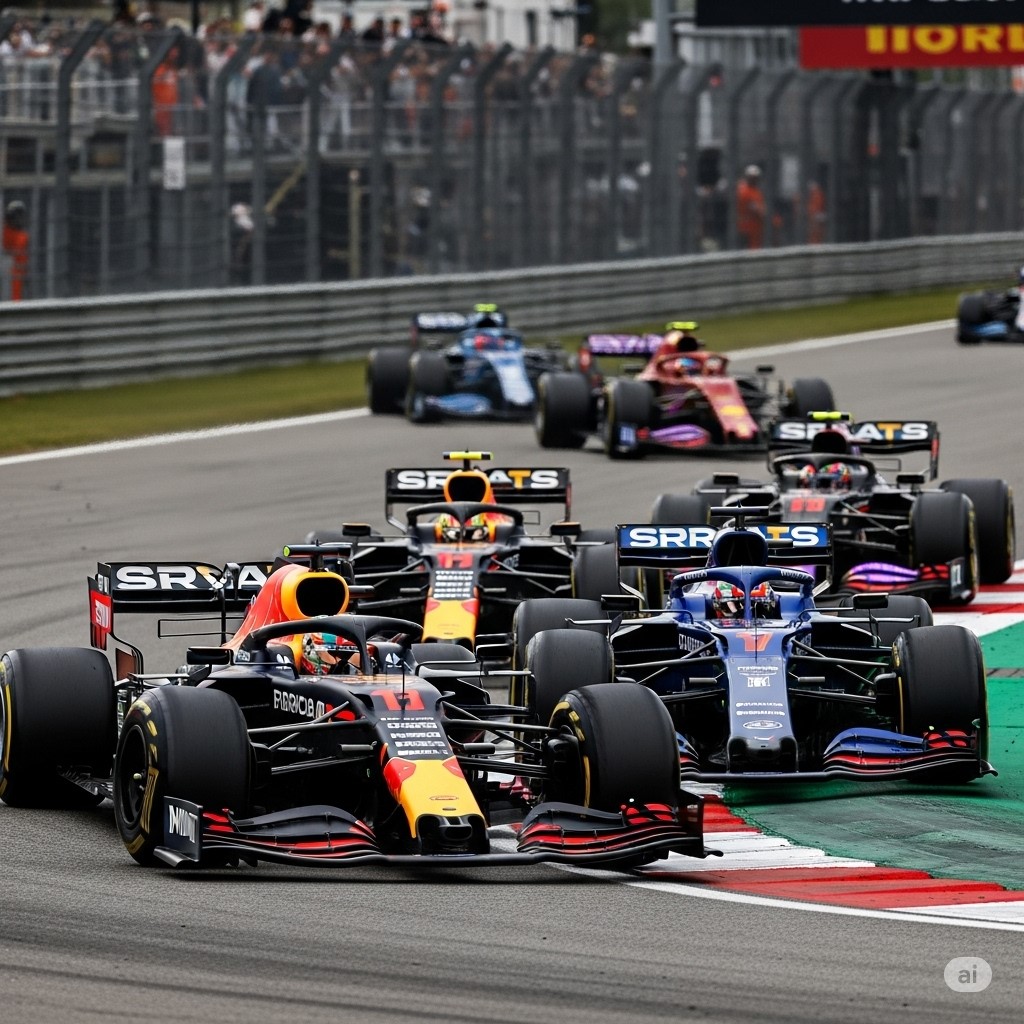
Formula Racing: A Thrilling Global Motorsport Phenomenon
Formula Racing is one of the most exhilarating and prestigious motorsports in the world. From its roaring engines to lightning-fast pit stops, it captivates millions. The sport combines speed, strategy, and science into a high-stakes spectacle. While many recognize Formula 1, few understand the depth of Formula Racing. This blog will explore its rich history, global reach, amateur landscape, professional circuits, social and political significance, and official rules.
The Origin and History of Formula Racing
Formula Racing began in the early 20th century. The term “Formula” refers to a set of rules all participants must follow. These rules define everything from car design to team operations. European countries, especially France and Italy, pioneered the sport.
The roots trace back to Grand Prix motor racing. The first recognized Grand Prix took place in 1906 in Le Mans, France. Over time, races became more formalized. By 1946, the term “Formula One” had been adopted by the FIA (Fédération Internationale de l’Automobile). The inaugural Formula One World Championship began in 1950 at Silverstone in the United Kingdom.
Notably, legendary drivers like Juan Manuel Fangio and Jim Clark helped popularize the sport. Throughout the decades, advancements in technology transformed racing. Safety measures, aerodynamics, and engine efficiency evolved dramatically. In the 1980s and 1990s, Formula Racing became a global spectacle. Televised races brought fans closer to the action. Sponsorship deals and international circuits added to its prestige.
Global Popularity of Formula Racing
Formula Racing enjoys immense popularity worldwide. Formula One, the sport’s flagship series, attracts a global audience exceeding 1.5 billion annually. Countries on every continent host Grand Prix events.
Europe remains a stronghold. Circuits in Monaco, Italy, and the UK hold historic significance. Asia has rapidly embraced the sport. Races in Japan, China, and Singapore are major calendar events. In North America, the United States and Canada both host Grand Prix races. Recently, Miami and Las Vegas joined Austin as premier venues.
South America also contributes significantly. Brazil’s Interlagos circuit is iconic. Ayrton Senna, a Brazilian legend, remains one of the sport’s most beloved figures. Meanwhile, the Middle East has grown into a vital hub. Countries like Bahrain, Saudi Arabia, and the UAE invest heavily in the sport.
This global presence supports a diverse fanbase. Social media, streaming platforms, and documentaries like “Drive to Survive” have expanded interest. Formula Racing transcends cultural and geographic boundaries.
Amateur Formula Racing Worldwide
The passion for Formula Racing starts young. Karting is the most common entry point for aspiring drivers. Children as young as five begin training on small tracks with go-karts. These experiences teach racing lines, braking, and acceleration control.
Many national organizations support youth karting. In the United States, the World Karting Association governs many regional and national events. Europe features strong karting leagues in Italy, the UK, and Germany. Several Formula One stars began their careers in karting.
Schools and academies have emerged to train future racers. Programs like the Ferrari Driver Academy and Red Bull Junior Team recruit global talent. They offer training, mentoring, and resources to young drivers.
University-level competitions also exist. Formula SAE, a student engineering competition, challenges teams to design, build, and race their own small Formula-style vehicles. These events take place worldwide and blend racing with engineering education.
Private amateur leagues continue to grow. Many clubs host track days where enthusiasts race their modified cars. Though not as structured as professional events, these races nurture community and skill development.
Professional Formula Racing Leagues Globally
Formula Racing’s professional landscape is vast. Formula One sits at the pinnacle. It features 10 teams, each with two drivers, competing in over 20 races annually. Teams like Ferrari, Mercedes, and Red Bull dominate the headlines.
Beneath Formula One is Formula Two (F2). This league acts as a feeder series. Many F1 drivers graduate from F2. It maintains strict car design regulations to focus on driver skill. Races usually occur on the same weekends and tracks as F1 events.
Formula Three (F3) represents the next step down. It targets even younger drivers transitioning from karting or national series. Like F2, it features identical cars for fairness. The goal is to create a clear path to the top tier.
Beyond F1-F3, many regional leagues exist. Formula Regional and Formula 4 (F4) serve as initial stepping stones. These leagues operate in Europe, Asia, the Americas, and Oceania. They help develop local talent and introduce them to international standards.
Formula E is a newer addition to the landscape. It features all-electric vehicles and focuses on sustainability. Major cities like New York, Berlin, and Jakarta host races. The league attracts manufacturers such as Porsche, Nissan, and Jaguar.
IndyCar, while different in technical rules, is another top-tier series. Based in the United States, it emphasizes oval-track racing and unique car designs. It rivals F1 in speed and competition.
Political and Social Significance of Formula Racing
Formula Racing influences politics and society. First, it showcases technological innovation. Governments often fund research that contributes to advancements in fuel efficiency, materials, and safety. These developments spill over into everyday automotive technology.
Second, the sport highlights international cooperation. Teams comprise engineers, drivers, and strategists from diverse nationalities. Events bring together fans and dignitaries from around the globe. Race weekends promote tourism and international goodwill.
However, controversies exist. Hosting races in countries with questionable human rights records raises ethical questions. Critics argue that some governments use races to distract from internal issues. This phenomenon, known as “sportswashing,” remains debated.
Socially, the sport has made strides toward inclusion. Programs like “We Race As One” aim to address racism and inequality. Female participation remains low, but organizations such as the F1 Academy now focus on promoting women in motorsports.
Environmental concerns are also significant. Critics point to carbon emissions from logistics and cars. In response, Formula One aims to be net-zero carbon by 2030. Formula E leads in showcasing green technologies.
Official Rules of Formula Racing
Understanding the rules is crucial for appreciating the sport. The FIA governs the majority of Formula Racing leagues. Each league adheres to a strict rulebook to ensure fairness and safety.
Car specifications are tightly regulated. Teams must follow limits on engine size, weight, aerodynamics, and materials. In F1, engines are hybrid units combining internal combustion and electric systems. Tires are selected from approved suppliers, typically Pirelli.
Each race weekend includes three main phases: practice, qualifying, and the race. Practice allows teams to test setups. Qualifying determines the starting grid based on lap times. The race awards points to the top finishers.
During the race, drivers must manage tire wear, fuel, and strategy. Pit stops are essential for changing tires and fixing minor issues. Overtaking and defending require precision and timing.
Rules penalize dangerous or unfair behavior. Stewards issue time penalties, grid drops, or even race bans. Track limits must be respected. Safety cars and virtual safety cars manage incidents on track.
Each team has a budget cap to ensure financial fairness. Violations result in fines or performance penalties. The cap fosters competition by limiting resource disparities.
Drivers must also hold a Super License. This license is earned through a points-based system tied to performance in lower leagues. It ensures that only qualified individuals reach the top tier.
Conclusion
Formula Racing remains a dynamic and evolving sport. It blends speed, skill, and science into a captivating global event. With deep historical roots and a vibrant modern presence, its appeal continues to grow. From amateur karting to professional circuits, the path to greatness is clear and structured. Social, political, and environmental issues intersect with the sport, adding layers of complexity.
Fans across the world celebrate each race with unmatched passion. Technology continues to push the boundaries of what’s possible. Formula Racing is more than a sport; it’s a global phenomenon that defines engineering excellence and international competition. Whether you’re new to the sport or a lifelong fan, there’s always something thrilling around the next corner.